



When I was in my teenage years, I, like most pubescent girls who took heed to their mom’s warnings, was deathly afraid of taking a razor to my face. Terrified of turning into a Chia Pet with unending hair growth and a prominent mustache, I resolved never to let a blade get close to my face.
That is, until my early twenties, when I started to really get into skincare. I must have seen a Reel or read an article about dermaplaning, but it led me down a deep rabbit hole. For the first time, I was starting to question everything about what I thought I knew growing up: Wait, so it won’t give you a mustache or turn you into a Chia Pet? Marilyn Monroe, THE beauty icon, dermaplaned her face on the reg? It actually has benefits beyond removing all that peach fuzz? My world surely turned upside down that day.
Over five years later, and I’m still dermaplaning my face about once a month at home. And honestly, it’s the one step of my beauty routine that I can’t live without. There’s nothing quite like how smooth your face feels post dermaplaning—it’s like petting a baby seal, no lie. And for a couple of weeks after, my skincare products absorb so well and my makeup glides right on. My skin looks absolutely radiant.
Whether you’ve been dermaplaning for years or still harbor fears of turning into an Ewok, this guide, backed by a dermatologist and esthetician, will answer all your questions about dermaplaning.

Dr. Cheryl Karcher, NYC Board-Certified Dermatologist at Center Aesthetic & Dermatology
Dr. Cheryl Karcher, MD is a board-certified dermatologist based in New York City, specializing in cosmetic and aesthetic dermatology at Center Aesthetic in Union Square where she is a co-owner. Known for her expertise in aesthetic medicine, body contouring, nutrition and dermatology, Dr. Karcher’s approach is highly personalized, creating unique treatment plans to help each patient achieve their individual goals.

Erica Marie Gatt, Los Angeles-based Esthetician and Founder of EM Skin Studio
Skin health guru Erica’s decade’s worth of experience working as an esthetician and makeup artist has shaped her foolproof, fuss-free beauty philosophy. She believes that curating thoughtful, streamlined skincare regimens for her clients is key to achieving effortless natural beauty and an overarching sense of empowerment, confidence and well-being.
What is Dermaplaning?
“Dermaplaning is a non-invasive facial exfoliation treatment, where usually a trained professional uses a small sterile surgical blade to gently scrape the surface of the skin. This removes dead skin cells and hair,” says Dr. Cheryl Karcher, a NYC Board-Certified Dermatologist at Center Aesthetic & Dermatology.
While seeing an esthetician who is trained for dermaplaning is always going to produce better results, it can also be done at home with a facial razor. (Note: It’s not the one you use for shaving your legs, but more on that later!)
Like other exfoliation methods, the main benefit of dermaplaning is to help remove that layer of dead skin. However, there are some key differences.
“Compared to chemical exfoliation, dermaplaning works instantly by physically removing dead skin and hair, while chemical exfoliants dissolve the bonds between dead skin cells over time. Mechanical exfoliation, like scrubs, tends to be more irritating and less controlled,” says Karcher. “Dermaplaning can be a great option for people who can’t tolerate acids, but it’s not necessarily better or worse, just different.”
What’s with the controversy around dermaplaning?
Dermaplaning still stirs up a loooot of controversy. When anyone posts a dermaplaning video online, the comments are always flooded with statements like, “Don’t do that, your hair will grow back thicker and faster!” While in my experience, this is not true, I deemed it was time to talk to the pros to get to the bottom of it. I also realized I still had a lot of questions about dermaplaning. Though I’ve been doing it for years, I still wasn’t sure if I was doing it correctly (yikes). Turns out, there’s a lot I didn’t know, and there’s a good chance I shouldn’t be doing it (at least myself).
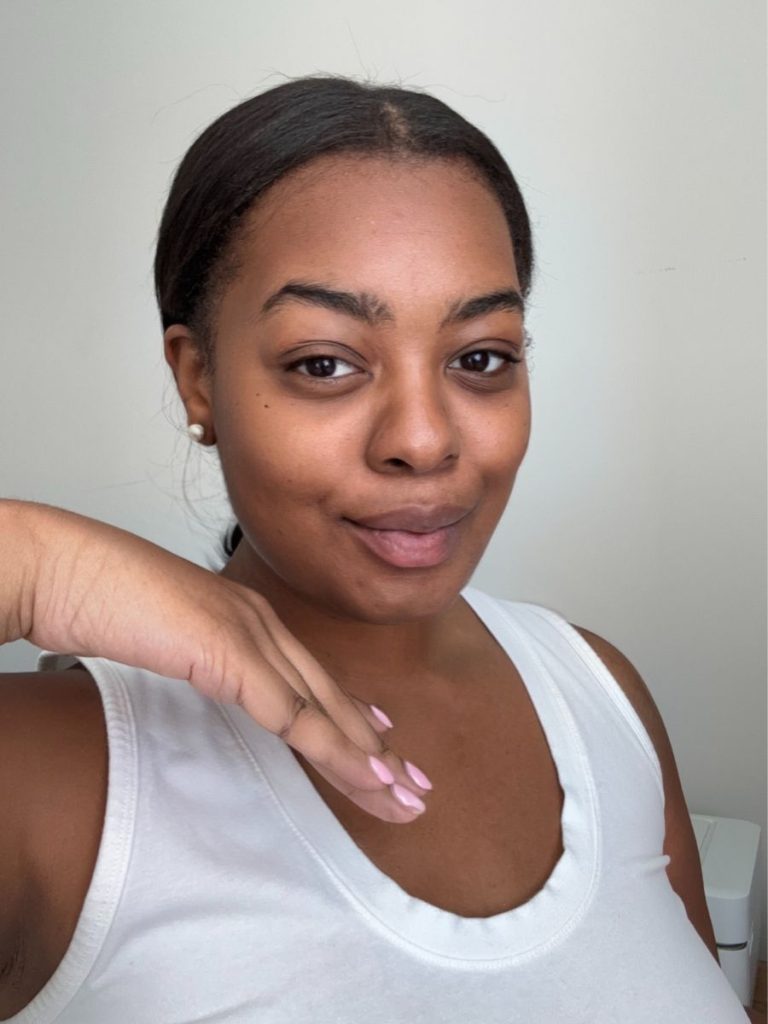
Benefits of Dermaplaning
By removing pesky peach fuzz and dead skin cells, skin is left brighter, smoother, and with a more even appearance. Without dead skin cells in the way, skincare products can better absorb into the skin, says Karcher. This also helps all those expensive serums you own become more effective (a big win!). You’ll also find that your makeup applies more evenly and blends easily. Erica Marie Gatt, a Los Angeles-based Esthetician and Founder of EM Skin Studio, says that it can even help reduce fine lines and wrinkles.
Cons of Dermaplaning
The main downsides of dermaplaning often tie to skin irritation, which usually occurs because of improper technique or dermaplaning on an already sensitive skin type.
“If done incorrectly, it can cause small cuts, redness, flaking, post-inflammatory hyperpigmentation, or acne flares. There’s also a risk of spreading bacteria if tools aren’t clean,” says Karcher.
Will my hair grow back thicker, darker, or faster?
To all, like me, who feared hair growing back thicker, darker, or quicker, you can finally take a deep breath and let that go. Both experts give the green light on dermaplaning, and say all of those claims are false.
“The idea that facial hair grows back thicker or darker after dermaplaning is a myth,” says Karcher. “Dermaplaning only removes vellus hair, that soft peach fuzz, at the surface of the skin. It doesn’t change the hair follicle or hormones, so the hair grows back exactly the same color, thickness, and texture as before. It can feel a bit blunt at first because the tip isn’t tapered because it was cut with a blade, but it is not actually thicker.” The only way your hair texture might change is if you had a hormonal shift, Marie Gatt notes.
Rules for Dermaplaning At-Home Safely
Before you pick up a facial razor, there are a few things you need to know. Doing this job incorrectly can lead to unwanted effects like irritation and even a bacterial infection (oof!). Here are four rules straight from experts to follow when dermaplaning at home.
Rule #1: Be honest about your skin type
One of the most important things to consider before dermaplaning is your skin type. According to Karcher, anyone who has active acne, frequent cystic breakouts, rosacea, eczema, psoriasis, very sensitive skin, or hyperpigmentation should avoid dermaplaning at home and instead seek a professional to do the job.
Some skin types will never tolerate dermaplaning and should avoid it altogether. “Signs that someone should stop dermaplaning include persistent redness, burning, increased breakouts, dark marks, stinging with basic products, or a feeling that the skin barrier is compromised. Those are signals that the skin is not tolerating the practice well,” she says.
Rule #2: Use a clean, sharp facial dermaplaning blade
Marie Gatt warns that using a blade more than once can result in a bacterial infection, so sticking to one use per facial razor is your best bet. When it comes to picking out which tool to purchase, Karcher says to avoid cheap multi-blade razors (like the ones you’d shave your legs with) or improperly sterilized reusable blades. You should also steer clear of anything that’s marketed for eyebrows only, which she says, “can be too dull or too harsh.”
“In terms of tools, I recommend facial dermaplaning blades from reputable skincare brands or medical-grade companies,” she says. (Don’t worry, we’ll share some top picks at the end.)
Rule #3: Start with a clean, dry face
To prevent breakouts and spreading bacteria, it’s important to clean your face before you begin. Choose a gentle cleanser to lessen irritation. And though you might think you need some sort of cream or oil when “shaving” your face, Karcher says dermaplaning works best when done on a dry face. “If someone is going to dermaplane at home, I tell them to start with clean, dry skin. Wash your face with a gentle cleanser and make sure your skin is completely dry, with no oils or slip,” says Karcher.
Rule #4: Don’t use harsh skincare products before or after dermaplaning
Using harsh skincare products prior to or post dermaplaning is a big no-no. “Do not dermaplane the same day you use retinol, or the night after,” says Marie Gatt. It’s also important not to follow up dermaplaning with retinol, strong acids, or other forms of exfoliation to prevent irritation, says Karcher. Rather, focus on gentle, hydrating products.
Rule #5: Be gentle and don’t go over an area more than once
Technique is everything when dermaplaning at home. The big basic ones? Don’t go over a spot more than once (which Marie Gatt says can create small cuts), use too much pressure, or move quickly. “Where I see problems is when people rush, use the wrong tools, or try it on skin that’s already irritated or acne-prone. In those cases, it’s easy to cause cuts, irritation, or breakouts,” says Karcher.

Step-By-Step Dermaplaning at Home
Now that you’ve determined whether or not your skin type has the green light for at-home dermaplaning and learned more on how to do it safely, here’s your step-by-step guide straight from the experts.
Step #1: Cleanse and dry your skin
Start by washing your face with a gentle cleanser. Gently pat your face dry with a clean towel. Avoid applying any skincare products at this time. The best time to dermaplane? Karcher says nighttime is ideal, as your skin won’t be exposed to sunlight immediately after.
Step #2: Dermaplane your face
Begin by holding the skin taut. Holding the sterile facial razor at a 45-degree angle, gently glide the blade, “using short, light strokes in the direction of hair growth,” says Karcher, avoiding going over the same area more than once. Do not apply pressure, which can cause cuts and redness, and avoid “active acne, irritated patches, and delicate areas like the eyelids and lips,” she says.
“When going around your mouth, put your lips together and curl them in,” says Marie Gatt. “That will make the area tight, so you don’t cut yourself.
You can also continue dermaplaning on your neck, though this is optional, and the skin here is more delicate. To do it, begin from your jaw line and gently sweep inward. If you are not confident in your ability to do this part safely, it’s best just to avoid it altogether.
Step #3: Rinse and after care
“Once you’re finished, rinse gently if needed, then apply a soothing, hydrating serum and a moisturizer,” says Karcher. She recommends using calming, hydrating products like hyaluronic acid, glycerin, ceramides, and simple moisturizers. “Avoid retinoids, acids, benzoyl peroxide, and scrubs for at least 24 to 48 hours. Sun protection is very important the next day, because freshly exfoliated skin is more sensitive to UV damage,” she says.
How Often Should You Dermaplane Your Face?
This practice can be great for your skin, but overdoing it is not. “Dermaplaning more often doesn’t give you extra benefits and actually increases the risk of irritation, sensitivity, and barrier damage,” says Karcher. Marie Gatt suggests dermaplaning just once per month, but at most, twice for the best results.
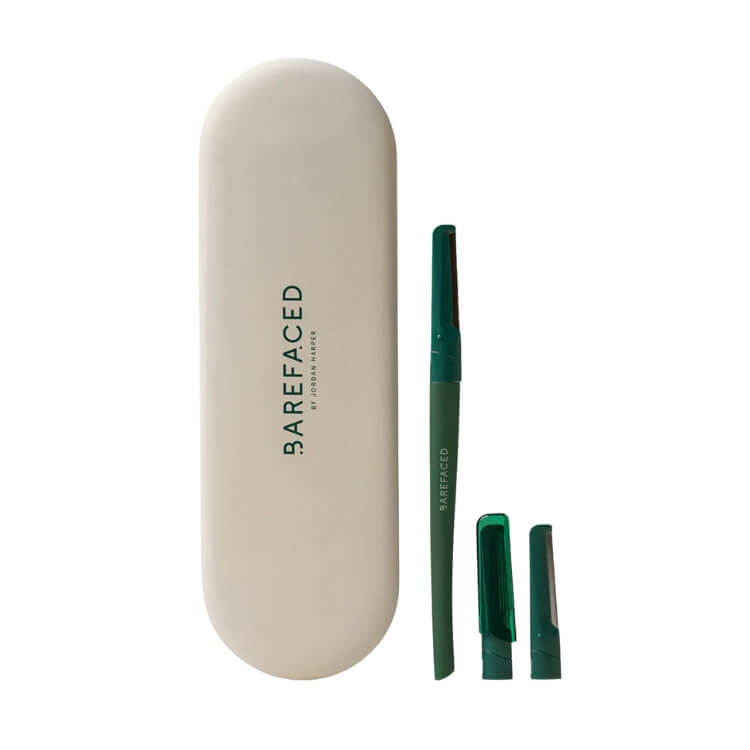
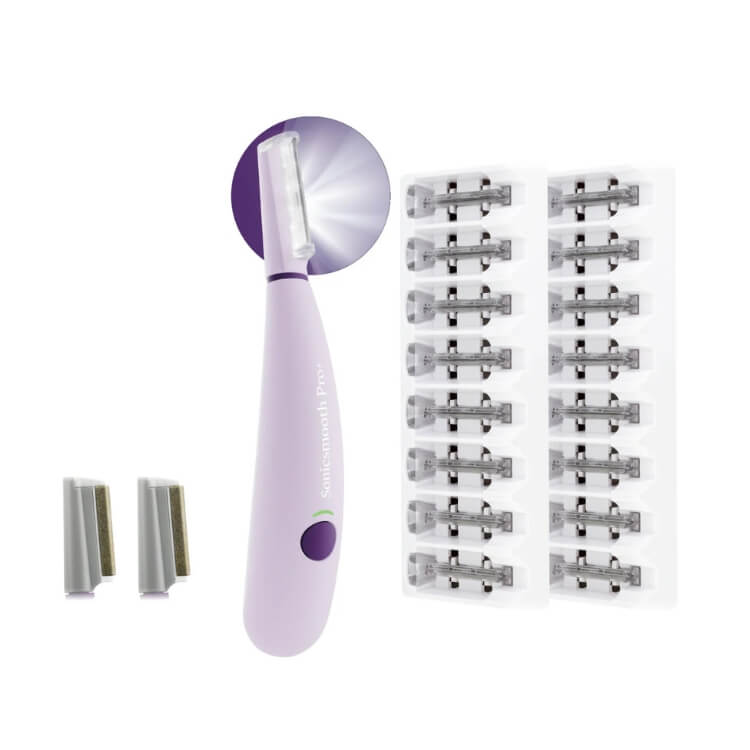
The Best Dermaplaning Tools
Recommended by the experts
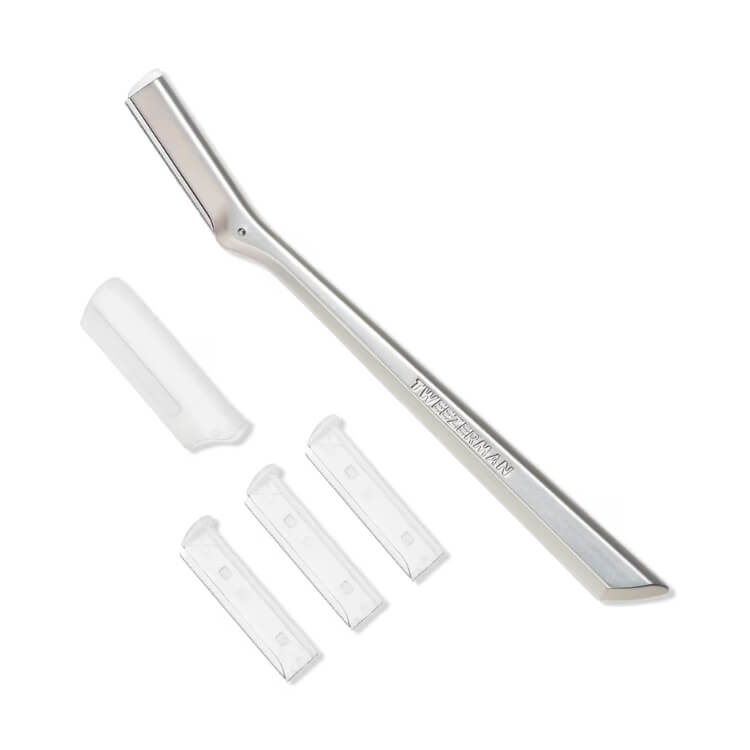
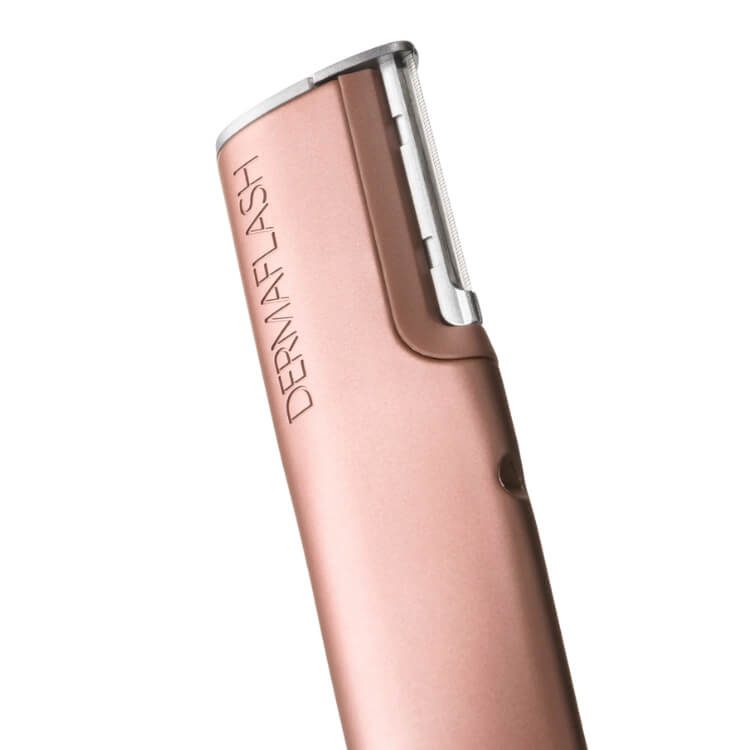
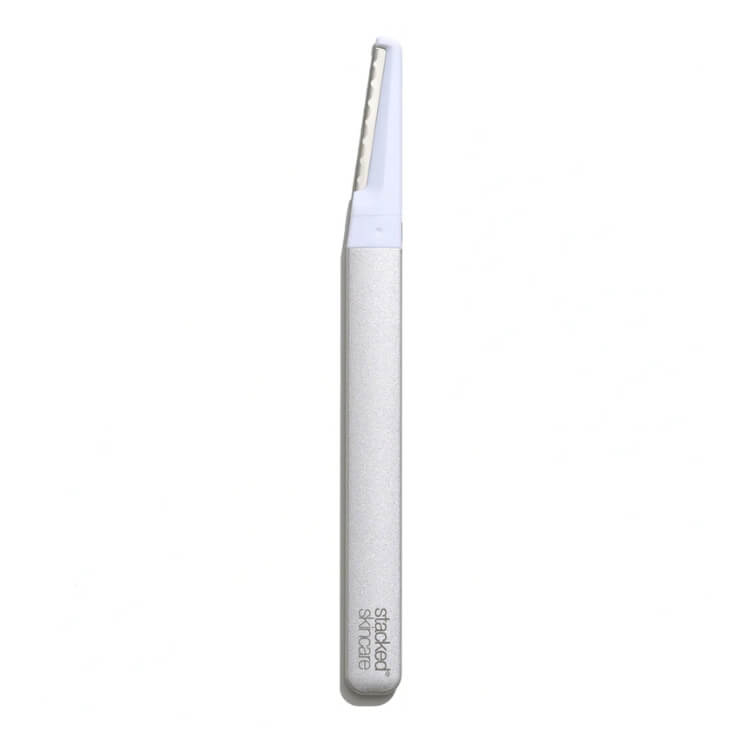

More of our favorites


Lauren Barnhill, Contributing Writer
Lauren Barnhill is a freelance writer with a passion for all things fashion, beauty, home, and lifestyle. Beyond The Everygirl, Lauren has written for top outlets including Real Simple, SUCCESS, and BuzzFeed. She is also the voice behind Leisurely, a Substack newsletter all about living an unhurried, intentional life.
