


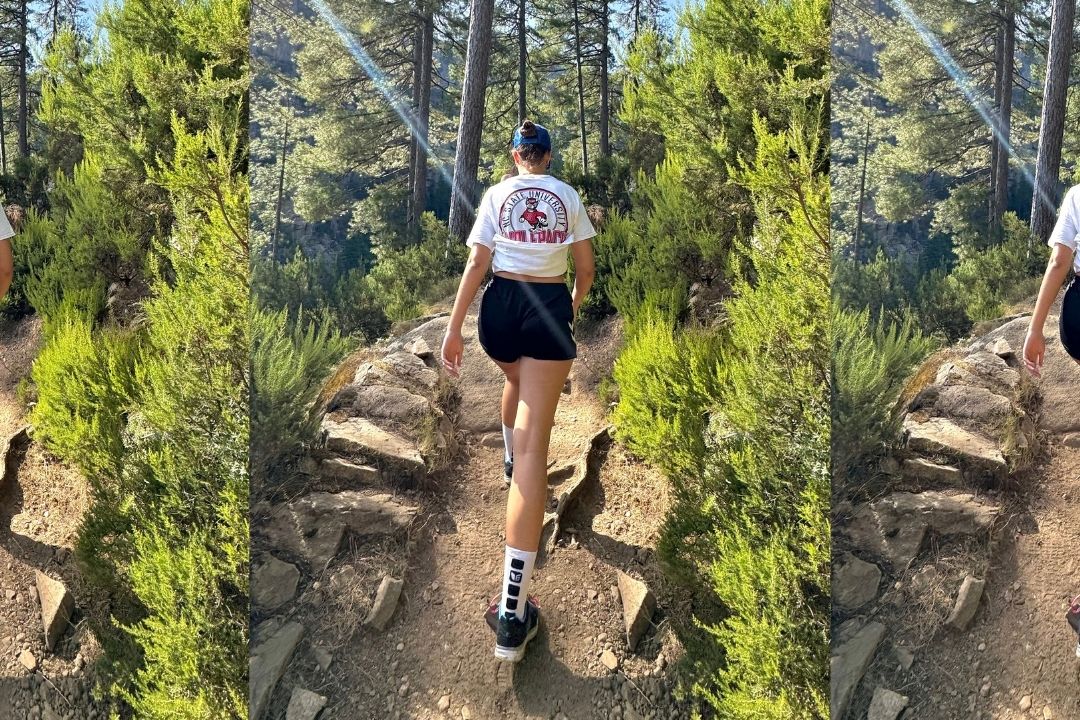
Lymphatic drainage massage has been considered the go-to wellness treatment for everything from a sculpted jawline and less puffiness to claims of “flushing out toxins,” supporting immune function, and reducing fluid retention. Now, a new trend claims you can support lymphatic drainage without spending a dollar on massages or tools. All you have to do is…walk.
Enter lymphatic walking, which is essentially a regular walk with a few intentional tweaks meant to encourage lymphatic flow. And unlike a lot of health crazes and viral trends, there’s nothing to buy, subscribe to, or book. If you’re thinking that sounds almost too good to be true, we also had questions: Can changing the way you walk really help with bloating or puffiness? Does it actually “detox” your body? And, most importantly, is lymphatic walking any better for you than taking a regular walk? I asked Dr. Kelly Sturm, a doctor of physical therapy and certified lymphedema therapist to separate the science from the wellness hype.
Experts Consulted
At The Everygirl, we believe that wellness advice should be grounded in accurate, science-backed information to ensure our readers can make informed decisions about their health and well-being. That’s why we prioritize consulting trusted, credible experts—so every piece of content is both reliable and empowering.

What is Lymphatic Walking?
Take your usual stroll, give it some bonus elements to encourage lymphatic flow, and you’ve got yourself lymphatic walking. “It’s regular walking with a few intentional additions: slow belly breathing timed with your steps, a larger arm swing, and upright posture,” Sturm explained. “It’s just walking done more intentionally to try and maximize benefits for your lymphatic system.”
To understand how lymphatic walking works, it helps to understand how the lymphatic system moves fluid in the first place. The lymphatic system doesn’t have a central pump to move lymph fluid through your body, like the heart does to keep blood flowing for the circulatory system. Instead, it relies partly on muscle contractions, movement, and changes in pressure from breathing to help move lymph fluid. Walking helps that process along. “Any walking will move and stimulate lymphatic flow in the body,” Sturm said. “When your muscles contract, they squeeze the lymphatic vessels around them and push the fluid along whether you think about it or not. The difference is the intentionality.”
Throw in deep breathing and larger arm swings, and you may further support lymphatic flow through the abdomen, chest, and upper body. Sturm noted that many of the lymph nodes in the body are deep in the abdomen, and the largest draining point for lymph fluid sits in the chest near your collarbone. “Diaphragmatic breathing, or deep belly breathing, can change the pressure in your abdomen and chest and help move fluid through that central area,” she said. “Along with that, adding more arm movement can also stimulate lymphatic flow in the upper body.” In other words, deep breathing and arm movement aren’t transforming your walk into a completely different workout; they’re simply adding movement and pressure changes that may further support the processes your lymphatic system already relies on.
Does Lymphatic Walking Actually Work?
Does lymphatic walking “detox” your body?
Walking has more than earned its spot as a wellness staple, with upsides for both physical and mental health. But give it a lymphatic rebrand, and the everyday walk suddenly comes with big claims like “detoxing” the body. Sturm said the trend is rooted in a real function of the lymphatic system, but the ‘detox’ claims are oversold. “The lymphatic system’s main job is to collect excess fluid from your tissues and filter out waste, bacteria, or other foreign material as it passes through your lymph nodes before returning the fluid to your bloodstream,” she explained. “Your liver and kidneys are what handle detox.” A walk—lymphatic or not—isn’t going to “flush toxins” out of your body. In other words, while your lymphatic system does help collect and filter waste, that isn’t the same thing as a wellness “detox.”
Does lymphatic walking help with bloating and puffiness?
As for the de-puffing promises, Sturm pointed out that for most people, day-to-day puffiness doesn’t necessarily mean something is wrong with their lymphatic system. A salty meal, poor sleep, hormone changes, or sitting too long can all leave you feeling temporarily swollen. Bloating is a little different: It typically has more to do with your gut (think gas or constipation) than an SOS from your lymph nodes.
That said, movement may still help you feel less puffy or bloated, just for different reasons.. “When your muscles contract, they squeeze the lymphatic vessels next to them and push fluid along,” Sturm said. So taking a walk after a long day of sitting can help get things moving, and a post-meal walk can help your digestion, too.
For people with an actual lymphatic condition, however, the conversation is different. If you have lymphedema (a condition that causes swelling when lymph fluid builds up in the body’s tissues) or a lymphatic-related medical condition, Sturm shared that lymphatic walking can be a helpful part of managing your swelling, but it isn’t a standalone treatment.
Is lymphatic walking better than regular walking?
The short answer: There’s no good evidence that lymphatic walking offers additional benefits for your lymphatic system compared with regular walking or other forms of movement. “What we do know is that movement supports your lymphatic system and deep breathing has been part of lymphatic health for decades because of how it can help that central drainage,” Sturm said. “The benefit for the lymphatic system isn’t in the type of exercise. It’s really in movement in general.” In other words, you don’t need to turn your daily walk into a specific “lymphatic” practice to support your lymphatic system.
But that doesn’t mean the practice is pointless. The elements that make a walk “lymphatic”—deep breathing, arm movement, and intentional movement—can still be beneficial; they just aren’t a magic formula for detox or reducing bloating. And if calling your daily stroll a lymphatic walk encourages you to move more, breathe more deeply, or be more intentional about taking breaks from sitting, that’s a benefit in itself. “Lymphatic walking isn’t going to hurt anything, and if it gets someone moving more intentionally, that’s a win,” Sturm said. “The biggest thing about lymphatic walking is that it’s a form of exercise, and the benefits go well beyond your lymphatics.”
How to Try It
If you’re still curious about lymphatic walking, there’s little downside to trying it—and you don’t need to overhaul your usual walk to do so. Sturm recommended keeping it simple and focusing on three things: your posture, arm swing, and breathing.
Try this routine:
- Start walking at a comfortable pace.
- Stand tall and relax your shoulders.
- Let your arms swing naturally, or slightly exaggerate the movement.
- Add diaphragmatic breathing: Every few minutes, take three to five slow breaths, allowing your abdomen to expand as you inhale and soften as you exhale. If you tend to breathe into your upper chest, placing a hand on your abdomen can help cue belly breathing.
- Don’t worry about doing it perfectly; the movement itself matters more than following an exact lymphatic-walking formula.
But remember: the best workout for your body is the one you’ll do consistently. “It’s really about just being consistent with movement throughout your day,” Sturm said. “A 10-minute walk most days of the week is always going to be better than one hour-long walk a week.” Ultimately, you don’t need to turn your Hot Girl Walk into another wellness routine with rules to reap the benefits. If focusing on your breathing, posture and arm swing makes your daily walk feel more intentional, go for it. But if you’d rather walk while listening to a podcast, take a dance class, lift weights, or go for a run, your lymphatic system isn’t keeping score.

Katherine Chang, Wellness Staff Writer
Katherine Chang is The Everygirl’s Wellness Staff Writer with over five years of experience in the health and wellness space. She navigates the latest wellness topics and trends through expert interviews and studies, and she’s always first in line to try them firsthand.
