


The new year has officially kicked off, and I don’t know about you, but I’ve already set my sights on what I want out of 2026. Back in the day, “becoming rich” was at the top of my New Year’s resolutions list, but over the last few years, my ambitious resolutions started to sound a bit more realistic. Think: “pay bills and enjoy life without draining savings.” However, I can feel myself dreaming bigger again this year, and apparently, I’m not alone.
A recent Vanguard survey revealed that 84 percent of Americans have a financial resolution this year, and 82 percent feel somewhat or very confident they’ll achieve it. A December survey by the University of Michigan even found that economic confidence among consumers improved for the first time since July. According to Vanguard, all of this signals that Americans are poised for a “financial resolution rebound” in 2026.
For the first time in years, money pessimism is turning into money optimism for the year ahead—but why? I tapped three financial experts to get to the bottom of it. Ahead, we’re breaking down what’s driving this “financial resolution rebound,” plus what’s actually making financial resolutions more achievable.
What is the “financial resolution rebound,” and what’s driving it?
According to Kate Byrne, Head of Cash Plus Distribution at Vanguard, more people are focused on becoming financially resilient in the year ahead. Instead of letting factors like inflation drive purchase and savings decisions, consumers are taking money matters back into their own hands. They’re building their wealth, money skills, and financial literacy on their own terms; that way, they can successfully navigate the highs and lows of the economy, handle unforeseen financial setbacks, and protect themselves and their money. Financial resolutions, with all this in mind, don’t feel like a distant dream anymore. This is what the “financial resolution rebound” is all about—people are dedicated to bouncing back, no matter what.
Contributing to this confidence, experts predict the economy will remain relatively stable in 2026, with inflation declining slightly. Bank of America’s Head of Consumer and Small Business Products and Analytics, Mary Hines Droesch, says this is giving people the financial “breathing room” that has been missing. Consumers can shift their focus from dealing with short-term financial pressures, like unexpected medical bills or home repairs, to long-term money goals again.
“Instead of letting factors like inflation drive purchase and savings decisions, consumers are taking money matters back into their own hands.”
Not to mention, consumers have more access than ever before to financial tools, apps, and education, which are helping to support their resolutions. According to the co-founder of Alinea Invest, Eve Halimi, “Building wealth is no longer reserved for people who can afford financial advisors or who grew up learning about stocks at the table.” Now, anyone can become financially savvy by simply downloading a financial app or conducting a Google search. Basically, no matter what will take place in the economy this year, consumers have the systems and tools to support themselves.
How are people planning to achieve their financial resolutions?
According to Droesch, “People aren’t relying on willpower alone—they’re using systems.” From tracking spending to maximizing savings, and more, here are popular systems, tools, and mindsets people are relying on in 2026 to achieve their financial resolutions. Plus, how you can use them too:
Using the “set it and forget it” method
The “set it and forget it” method involves making automated money moves like savings transfers, debt repayments, and retirement contributions. Halimi says that this passive action “removes the emotional barrier and decision fatigue that is known to kill resolutions,” and normalizes making sound financial decisions by integrating them into your financial routine. It’s popular and effective for those reasons, but also because you don’t need a lot of capital to start.
Droesch says that you can start small, like setting up recurring weekly transfers that move a few dollars from a checking account into a separate savings account. This helps make regular savings or retirement contributions, for example, the norm. Contributing just $5 a week to any of these categories might seem inconsequential, but they make a world of difference in the long run.
Habit stacking money moves with existing routines
We’re all exhausted, and the reality is that no one wants to completely overhaul their lifestyle overnight. For this reason, 2026 consumers aren’t building new habits from the ground up. Instead, they’re stacking positive money habits onto their existing routines. Halimi says this may look like opening your investment app of choice (we love Acorns and Origin) while your morning coffee brews or listening to a podcast about budgeting while you’re cleaning. There really is no wrong way to habit-stack. Similar to the “set it and forget it” method, this simple addition to your everyday routine normalizes positive financial behavior and makes reaching your financial goals feel less overwhelming.
Most of us appreciate being rewarded for our hard work, and Halimi says financial apps, like Monarch and Quicken Simplifi, for example, are now using reward systems to make positive money moves feel more gratifying. This includes things such as progress tracking, milestone celebrations, and community features. According to Halimi, these psychological triggers make users feel more engaged and involved, which decreases their likelihood of throwing in the towel. Gen-Zers in particular are loving these features since their demographic grew up with app features that kept them engaged, like Snapchat streaks and shared content on TikTok.
“Financial resolutions fail when they require constant willpower and succeed when they become automated and emotionally meaningful.”
Offline, in contrast, people are leaning on their community to stick to their goals. Trends like loud budgeting have helped make talking about money feel less taboo, and people are now sharing their money goals with others, or teaming up with them to partake in things like “no spend January.” Whatever the case may be, leaning on community is proving to be effective, since it keeps you accountable.
Ditching “one-size-fits-all” money solutions and advice
Previously, we relied on “one-size-fits-all” money solutions to guide us, but Halimi says generic money advice doesn’t cut it anymore. Consumers want and need financial plans tailored to their goals, income, risk tolerance, and overall personal circumstances, and they’re ditching traditional approaches as a result. Enlisting the help of an AI assistant or AI-powered financial app, like Cleo or Alinea, is a major way this is happening.
Likewise, consumers are leaning into different forms of financial education because, again, not all learning styles work for everyone. Halimi says consumers are flocking to bite-sized financial content on TikTok and YouTube to become more financially literate, which gives them the knowledge and confidence to ditch outdated methods and take money matters into their own hands.
Adopting the “soft” approach
More people are realizing that trying to completely change their lifestyle isn’t an effective strategy. Similarly, setting rigid parameters around money almost always sets you up for failure. Because of this, society is taking a “softer” approach to managing money. Trends like “vibe-based budgeting” and “soft saving” are helping people achieve their financial goals without totally changing their lives. These flexible and gentle approaches are actually proving to be more effective than strict approaches for many.
What you need to remember if you’re setting financial resolutions
After the financial strain we’ve endured recently, I’m happy to say that the future of our wallets is looking bright again. For the first time in forever, it feels like we finally have a clear path toward financial success—and this can largely be attributed to the continued democratization of financial literacy and financial planning tools from technology. However, we can’t forget or underestimate the value of remembering why we’re chasing our money goals in the first place. “Financial resolutions fail when they require constant willpower and succeed when they become automated and emotionally meaningful,” Halimi said. “2026 is about creating the habits that build real wealth, and treating financial wellness as the form of self-care it truly is.”
Experts Consulted:
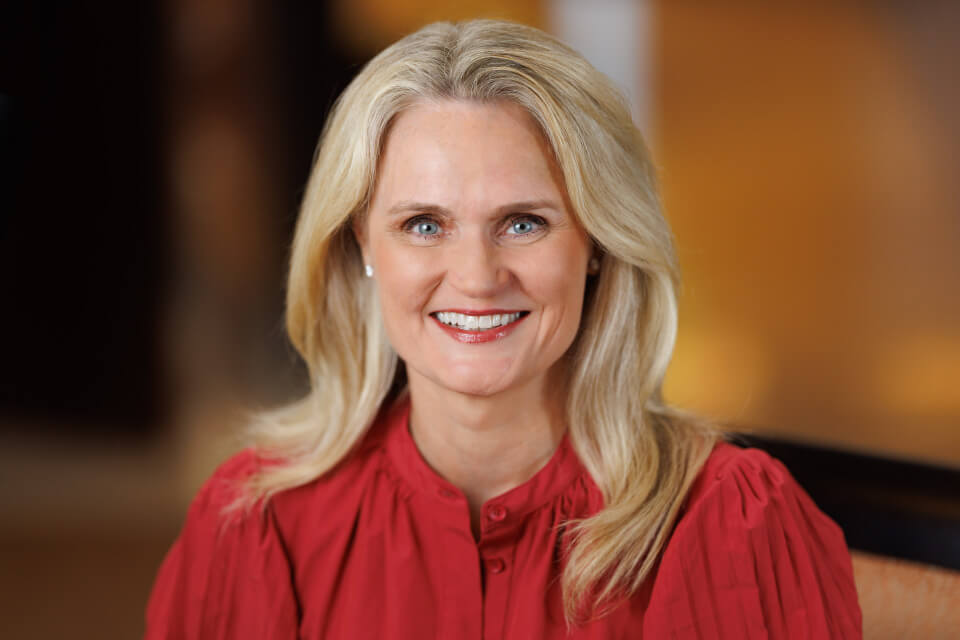
Mary Hines Droesch
Mary Hines Droesch is the Head of Consumer and Small Business Products and Analytics at Bank of America. She oversees strategy and management for a wide range of lending and deposit products, along with Consumer Investments and the Preferred Rewards program. Mary has over 20 years of experience in the financial services industry.

Eve Halimi
Eve Halimi serves as Co-Founder and Co-CEO of Alinea Invest, where she oversees financials, revenue, and growth strategies. Her journey from Barnard student to fintech entrepreneur embodies the very problem Alinea solves: Despite interning at top investment banks, she found herself intimidated by personal investing. Named to Forbes 30 Under 30 and recognized as a leader in fintech innovation, Halimi represents a new generation of founders who build solutions for communities historically overlooked by traditional finance.

Kate Byrne
Kate Byrne is a financial wellness expert and Head of Cash Plus Distribution at Vanguard, where she is dedicated to helping more than 50 million investors achieve their financial goals. Kate is passionate about empowering women to feel confident in their finances, including developing savings and budgeting strategies that work for their lifestyle.
