


After witnessing the fallout of the Great Recession as a teenager, I naively believed we wouldn’t come close to anything like that again. Yet here we are, inching in that direction. Lately, job security feels precarious at best, and the chances of this feeling going away any time soon are slim. Because now, workers everywhere have a new foe to deal with. According to Glassdoor’s 2026 Worklife Trends Report, we have entered the era of the “forever layoff.”
Obviously, the words “forever” and “layoff” are two that no one ever wants to see put together. The potential implications of this trend sound unsettling at best and downright frightening at worst. So, I tapped two career experts and a lead researcher at Glassdoor to get to the bottom of what the “forever layoff” means for workers. Ahead, what the forever layoff is, why it’s happening, how it’s impacting the workforce, and most importantly, how to protect yourself during this unprecedented time.
What is the forever layoff?
The “forever layoff” refers to companies repeatedly cutting small groups of fewer than 50 workers at a time, turning layoffs into an ongoing process rather than a single event. The term was unveiled in Glassdoor’s 2026 Worklife Trends Report, which found that small layoffs accounted for 51 percent of job cuts in 2025. To pour salt in the wound, these under-the-radar layoffs have helped layoff numbers slowly creep back up and stabilize at levels previously seen in the 2010s.
What makes the forever layoff particularly foreboding is that it implies there’s no end in sight; there’s no telling when jobs will stop being slashed. “In the forever layoff, you never feel ‘safe’ because it seems like there’s always another round coming,” Lead Researcher for Glassdoor’s Economic Research team, Chris Martin, said.
Why is the forever layoff gaining traction?
To put it bluntly, layoffs create bad publicity, and this is perhaps the biggest reason why so many employers are jumping on this smaller-scale trend. Dr. Maggie Warrell, a leadership expert and keynote speaker, explained that companies are under immense financial pressure, and making small cuts helps them avoid the spotlight. This, subsequently, lets them avoid scrutiny, dodge negative market reactions, and control the narrative to their benefit. “It’s strategic optics, but terrible leadership,” Dr. Warrell said.
“Small layoffs accounted for 51 percent of job cuts in 2025.”
Additionally, the forever layoff gives executives more optionality and flexibility than the traditional mass layoff approach. Dr. Warrell says we’re currently in an unpredictable economy, and leaders are scared to make tough decisions without the full picture. So, they instead slice headcount incrementally as conditions unfold, according to Dr. Warrell.
How the forever layoff is impacting work environments
Humans are hardwired to deal with standalone stress far better than chronic stress. Yet, the forever layoff places your body in a permanent fight-or-flight response at work. Alison Campbell, the founder of burnout prevention company unBurnt®, says this is because uncertainty becomes the norm. The constant fear of being next takes a toll on your mental and emotional well-being. It heightens anxiety and job insecurity, increases the risk of burnout, erodes trust at work, and fuels resentment toward your employer.
While these things may seem like isolated issues, they create rippling aftershocks that can be felt by everyone in the workforce. Dr. Warrell explained that people naturally become distrustful of leaders when layoffs happen quietly, namely because they believe it signals a lack of transparency. “And once trust breaks, engagement, loyalty, and collaboration break with it,” she explained. Consequently, workers go into self-preservation mode. They become overly protective of their network and reluctant to share contacts, they stop taking chances at work and play it safe, and their problem-solving and critical thinking abilities plummet.
Ultimately, serial layoffs change workplace environments far more than situational layoffs. The forever layoff eradicates the notion of collaborating with others, championing innovative thinking, and cheering each other on from the sidelines. Instead, company cultures become infected with “silent competition, workload creep, and psychological scarcity,” according to Campbell.
How to protect your career in the era of the forever layoff
The future of the workforce admittedly looks grim in this new era of the forever layoff. But this doesn’t mean that safeguarding your position and career as a whole is futile. If anything, being proactive and intentional with your work is more important than ever. Here’s how to enhance and protect your job security and overall career amid the era of the forever layoff:
Stay visibly valuable
According to Dr. Warrell, now’s the time to make sure your employer notices you, and this starts by making your contributions visible. “In uncertain times, invisibility is a bigger risk than overexposure,” she explained. So, volunteer for projects, share your ideas, and keep a record of your wins. Dr. Warrell says you can share this information not only during performance reviews and promotion discussions but also during a future job search.
“Long-term job security doesn’t come from your employer… it comes from you—your adaptability, relationships, and ability to continue evolving.”
Additionally, Martin also recommends ensuring that the work you’re producing is aligned with your organization’s business goals. Since this is easier said than done, talk to your manager about how your day-to-day responsibilities support the team and company as a whole and what you can do to make your efforts even more prominent. Employers want employees who contribute to and benefit their monetary bottom line, so showing that you’re capable of doing this is vital. “The more connected you are within your organization, the better,” he said.
Build career insurance
It’s no secret that your professional network is everything, and nurturing those relationships is one of the most reliable forms of career insurance you can build. This is why Dr. Warrell recommends strengthening your connections with your colleagues, mentors, and leaders, as well as industry friends outside of work. Regular check-ins, asking for guidance, and showing up to industry events all help keep those relationships active and mutually supportive.
But connection is only half of the equation. With AI and automation reshaping the world of work, staying employable requires continuously sharpening your skills. “In a climate of ongoing layoffs, your greatest security isn’t your job title—it’s your employability,” Dr. Warrell said. This is why she stresses building skills that boost adaptability—like strategic communication, conflict navigation, creative problem-solving, data fluency, and most importantly, AI literacy. Also, look at what other skills are trending in your industry, and determine what roles you could pursue in the event of a job loss.
Developing career insurance, whether that be through your network, your skillset, or both, reduces fear and improves job performance, no matter how the market shifts.
Remember that your job doesn’t define you
Lastly, it’s easy to feel like your job is everything, especially if it’s in a field you’re passionate about. But at the end of the day, your job does not define you—and it’s important to remember this in the event of an unexpected job loss. As Dr. Warrell aptly puts it, “a layoff is a business decision, not a judgment on your worth.” You are still whole, with or without your current role.
So, yes, the forever layoff trend feels a bit ominous, but it doesn’t have to be. If anything, Dr. Warrell says it reveals that long-term job security doesn’t come from your employer. Rather, it comes from you—your adaptability, relationships, and ability to continue evolving even when a situation feels bleak. According to Dr. Warrell, “Those are assets no one can take from you.”
Experts Consulted

Alison Campbell
Alison Campbell is the founder of unBurnt®, a company on a mission to prevent burnout by addressing the root causes of chronic stress at work. With nearly 20 years of experience, Alison built her career across finance, ecommerce and HRTech, eventually to Chief of Staff & Head of Strategy and Analytics at a $1B+ global company.

Chris Martin
Chris Martin is a lead researcher on Glassdoor’s Economic Research team focused on workplace equity and compensation, with expertise in identity-based exclusion and salary transparency. Previously, Chris was a researcher at Syndio and PayScale, and a senior manager of analytics on the inclusion and diversity team at Starbucks.
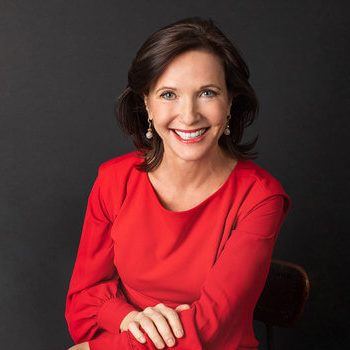
Dr. Maggie Warrell
Dr. Margie Warrell is a six-time bestselling author, including her newest title, The Courage Gap. She is leadership advisor, keynote speaker, and “courage catalyst” bringing deep insight into human and organizational behavior to foster braver leadership and better outcomes.
