

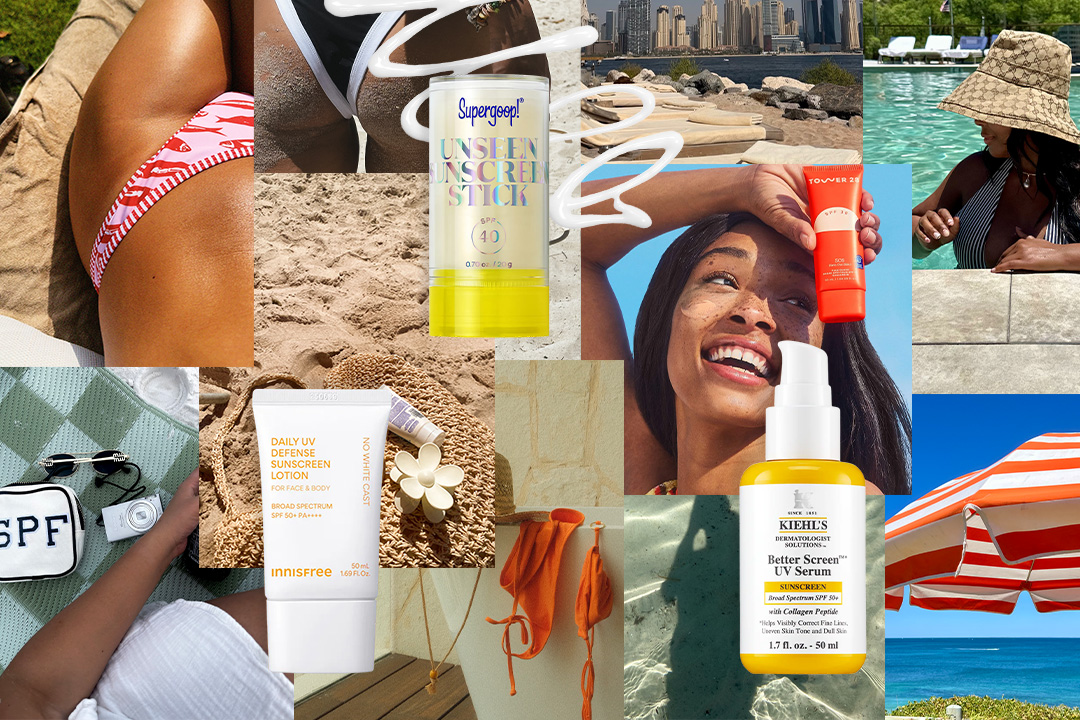
Skin experts consistently name sunscreen as the most important precaution you can take for skin health. While helping to protect and prevent skin cancer, it is also a way to protect the skin from aging forms of UV radiation. As much as you *think* you might want that glow, remember that even a tan is technically a burn.
“Sunscreen is important to wear every day,” confirmed board-certified dermatologist Dr. Hadley King. “It should also be reapplied every two hours and after swimming or sweating.” Dr. King says that protecting the skin from the harmful effects of UV rays will help to prevent skin cancer, of course. But it can also combat cosmetic concerns like premature aging and hyperpigmentation. She recommends donning UPF-protective clothing, hats, and sunglasses.
Because there are so many options to consider and questions to ask in selecting the right SPF for you, we broke it all down below. Plus, if you’re stressed about the impossible-to-remove white cast of your youth, don’t worry. Sunscreen technology has evolved so much in the past few years. These products won’t just be undetectable on your face; they’ll actually have skincare benefits far beyond perfection. Keep reading for everything you need to know about SPF this summer, plus the best sunscreen products to shop.
What’s the Difference Between Mineral and Chemical SPF?
The two main types of sunblock are mineral (AKA physical) and chemical formulas, while hybrid formulations combine both. The bottom line is that most dermatologists prioritize finding a sunscreen you will wear consistently. That being said, there are some important distinctions between the two types.
First, mineral blockers (i.e. zinc oxide, titanium dioxide) work immediately, meaning that you can apply them and head straight outside. Chemical blockers (i.e. homosalate, avobenzone, octocrylene, etc.), however, require a 15-minute window to take effect. Mineral formulas are also praised for being photostable, meaning they remain effective when exposed to sunlight. The main concerns with mineral sunscreens come down to their texture and cast. Some formulas have a thicker consistency and can leave behind an ashy sheen, which is especially noticeable on deeper skin tones. Chemical and hybrid formulas, on the other hand, absorb more like your typical moisturizer.
It should also be noted that certain chemical blockers have to undergo FDA testing before being designated GRASE, which stands for being “Generally Recognized As Safe and Effective.” While this does not mean they have been deemed unsafe, certain chemical sunblocks were found to be absorbed into the bloodstream at levels higher than previously thought. So, the FDA is requesting more information on long-term exposure before giving them the GRASE designation.
What Makes a Sunscreen Reef-Safe?
Some chemical blockers have also been linked to adverse environmental effects, with oxybenzone specifically harming coral reefs. This is why Hawaii banned sunscreens containing oxybenzone and octinoxate in 2018. As Dr. Ben Van Handel, a stem cell biologist at the University of Southern California and cofounder of Heraux, explained, “The researchers show that UV light converts oxybenzone into a toxic derivative, [requiring algae found within the coral colony to detoxify it].” He said that as the concentration of oxybenzone in the water increases, “the algae cannot keep up, and the coral dies.”
So if you wear a chemical sunscreen, try to steer clear of oxybenzone. Keeping in mind that everything we rinse off ultimately ends up in the oceans, eco-friendly options also tend to choose non-nano zinc. This refers to the particle size of the mineral, out of concern for effects on marine life.
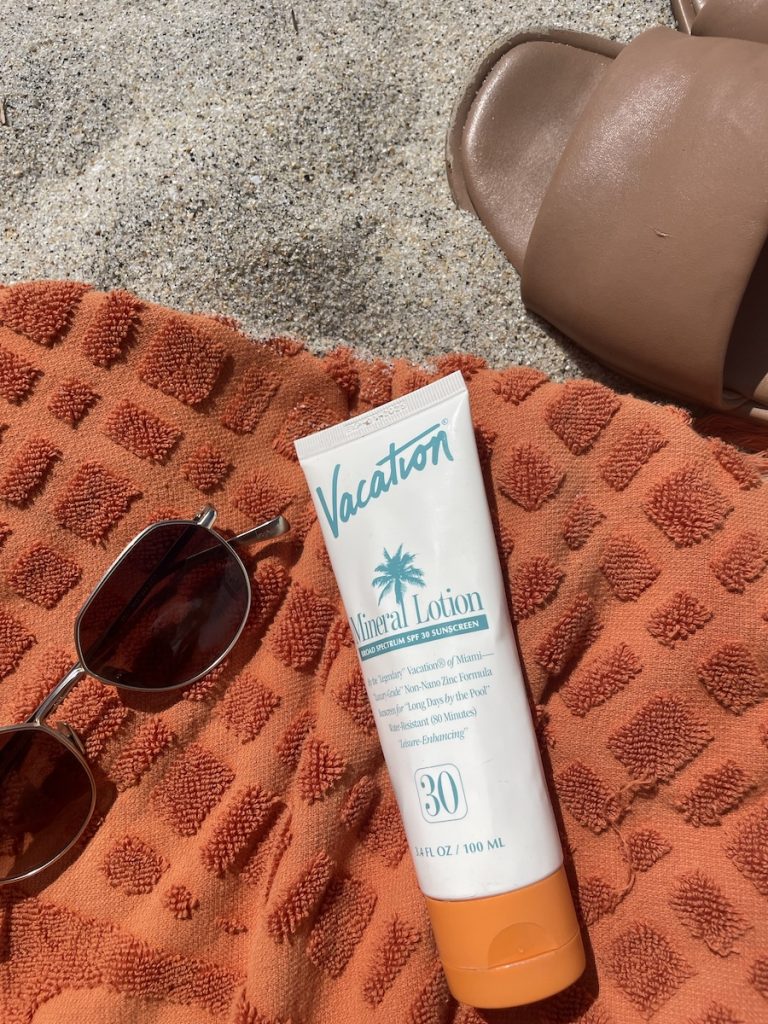
Applying Your Sunscreen
Board-certified dermatologist and “dermfluencer” Dr. Sheila Farhang, who is also a skin cancer surgeon, offered three main tips for applying your sunscreen. First, she said to get your suncare advice from credentialed skin experts rather than, say, TikTokers or influencers. Second, when applying your chosen SPF, focus on commonly forgotten areas where skin cancer can pop up: the scalp, ears, lips, and face, which are easy to remember with the acronym, “S.E.L.F.”
Another word of warning from experts is that trendy powder formulas are best for touching up your protection throughout the day, but not for using as your first line of defense. You typically need a nickel-sized amount of sunscreen for adequate protection for your face.
Choosing Your Sunscreen
This is a lot of information to digest, and the beauty industry is literally packed with sunscreen options for all skin tones, lifestyles, and preferences. So Dr. King broke it down: “I recommend physical sunscreens (i.e. zinc oxide, titanium dioxide) because they block a wide range of UV wavelengths and they are photostable,” she said. “There are also fewer concerns about their potential adverse effects both to the body and the environment.” She assured us that mineral formulas have come a long way from their chalky predecessors. Plus, many come in tinted formulas.
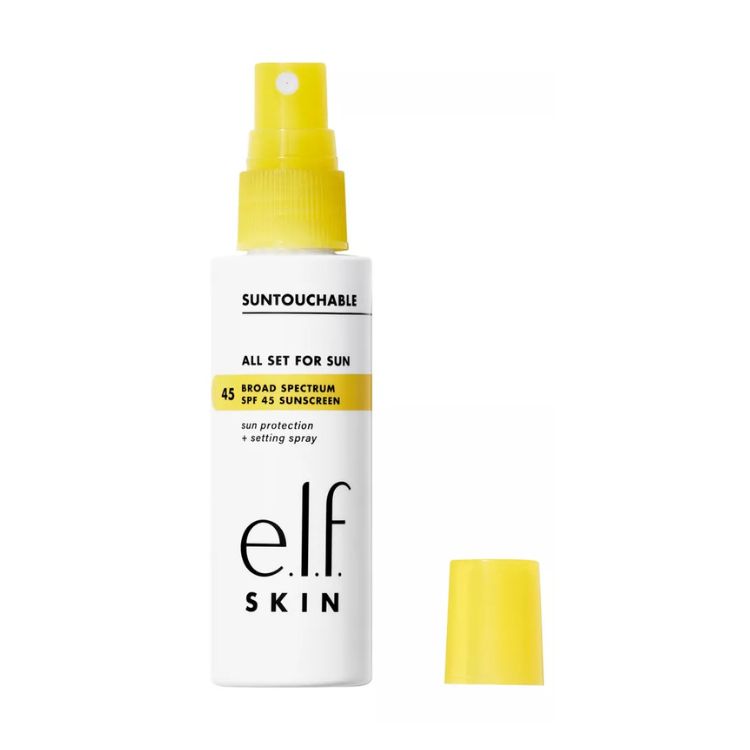
“Wear something that feels good on your skin,” recommended board-certified dermatologist Nava Greenfield of Schweiger Dermatology Group. “New formulations of powder, stick, and gels are available from many brands to cater to everyone’s preferences.” There are multi-tasking sunscreen formulas that prime the skin for makeup and provide cosmetic coverage, and even sprays that can set your makeup. Skincare devotees can also find formulas that offer beneficial active ingredients, just like a skincare serum. Medical Esthetician Amy Peterson, founder of Miami Medspa, recommended seeking vitamin C, licorice root, and vitamin E to maximize the effects of your sun protection.
The Best Sunscreens of Summer 2026
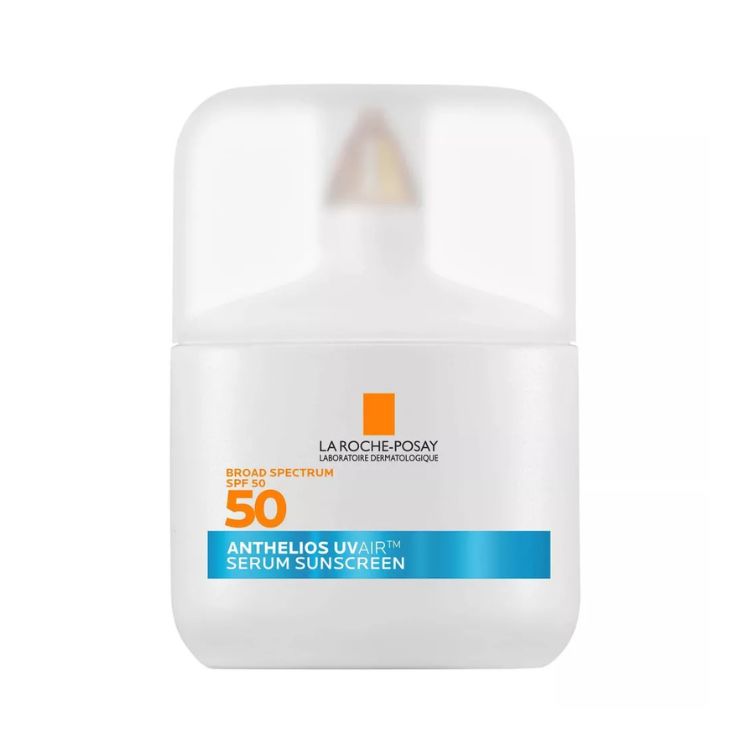
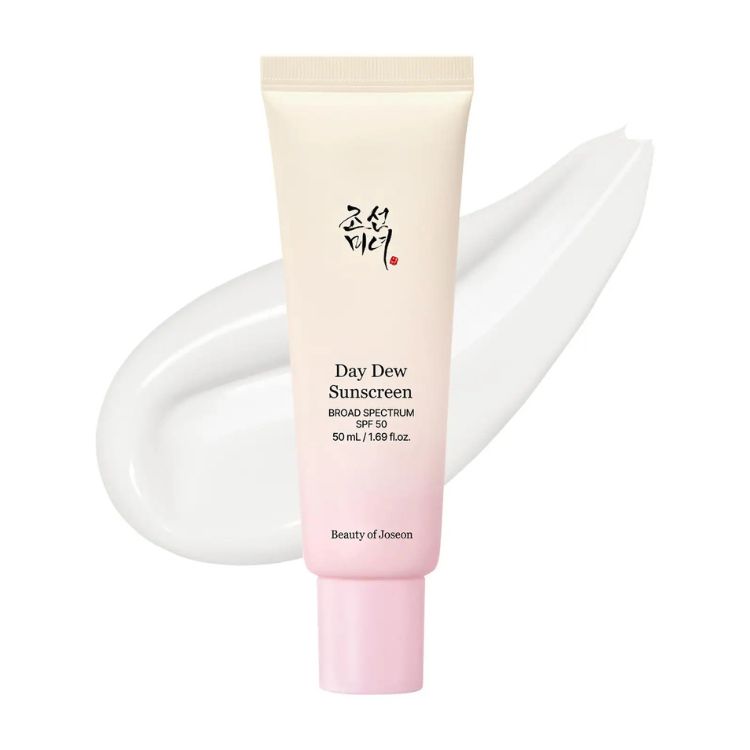
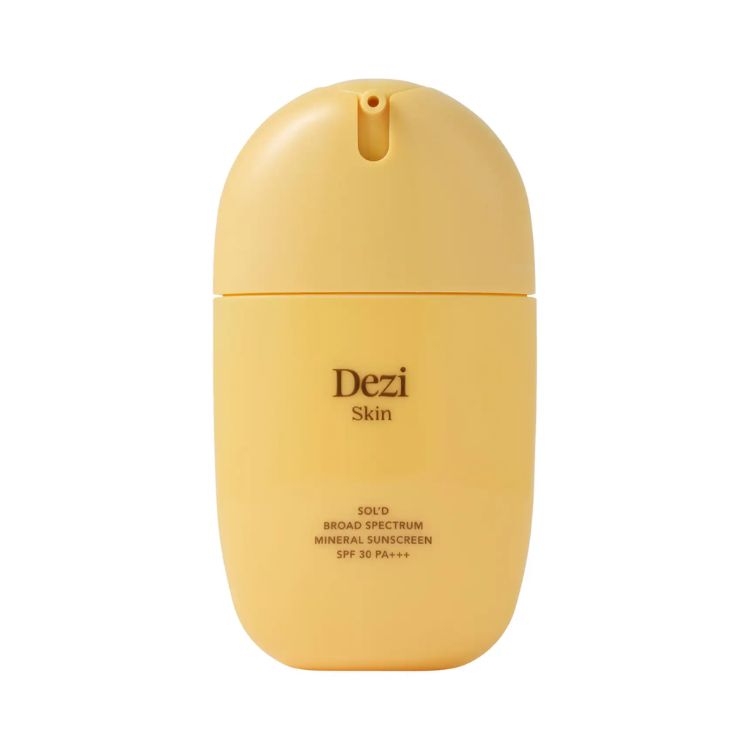
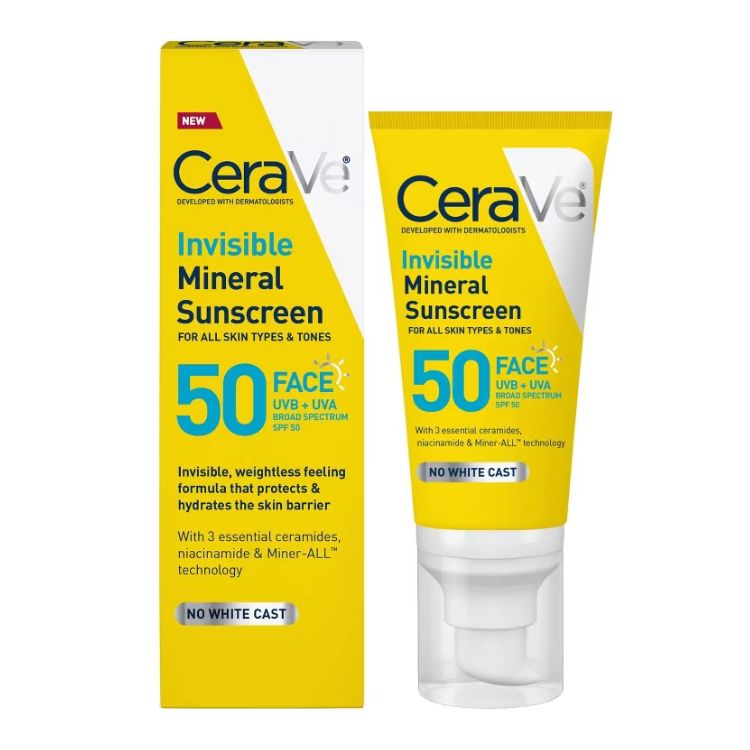
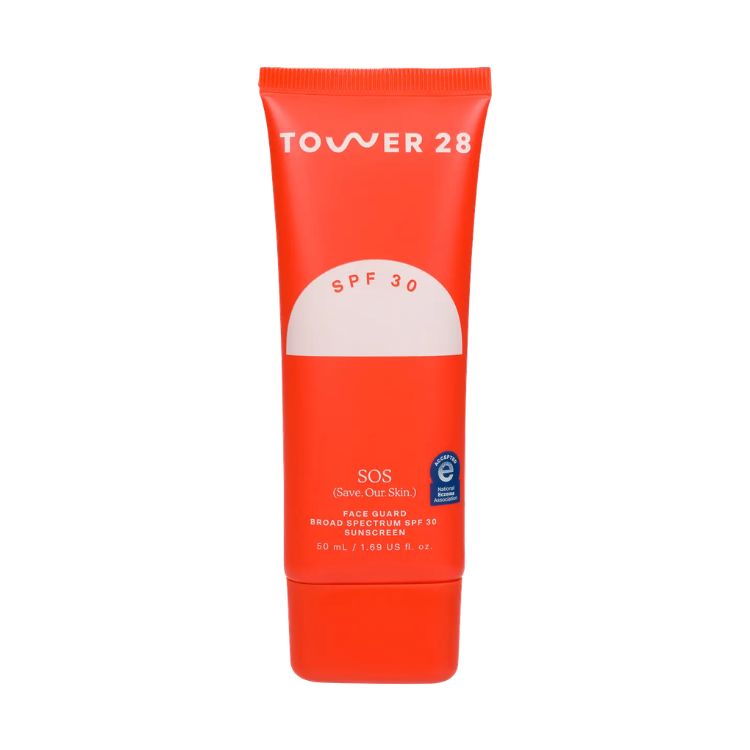
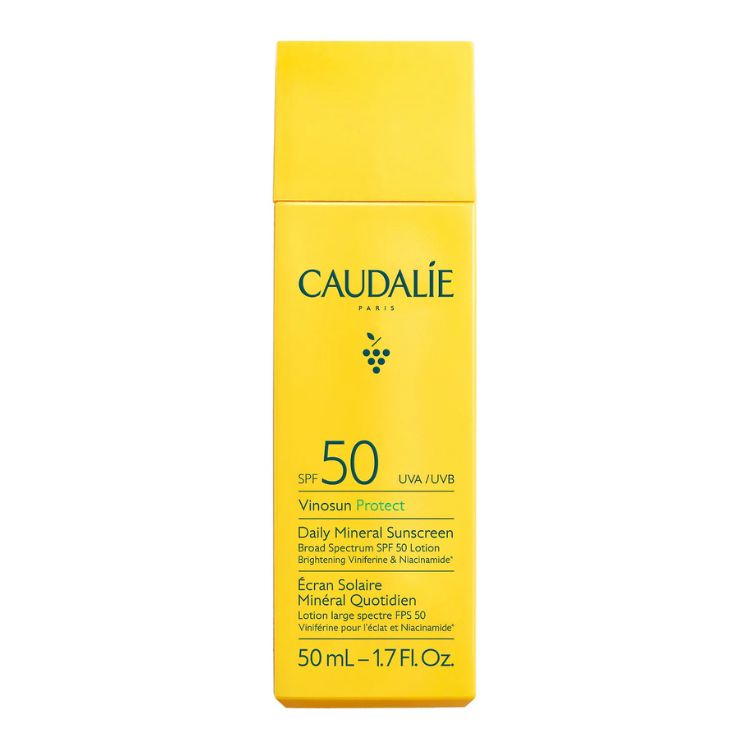
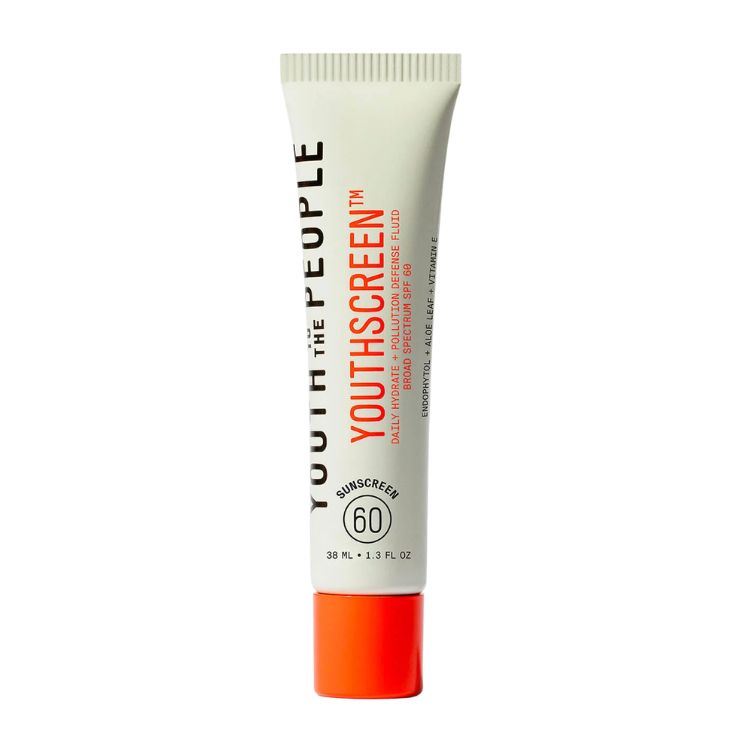
Best Everyday Face Sunscreens
Think of these sunscreens as your staples, no matter the season, weather, or time of day. They’re the heavy hitters that you can reliably throw into your bag and know they will perform every time. Lightweight and easily blendable, you’ll want to reach for them every day.
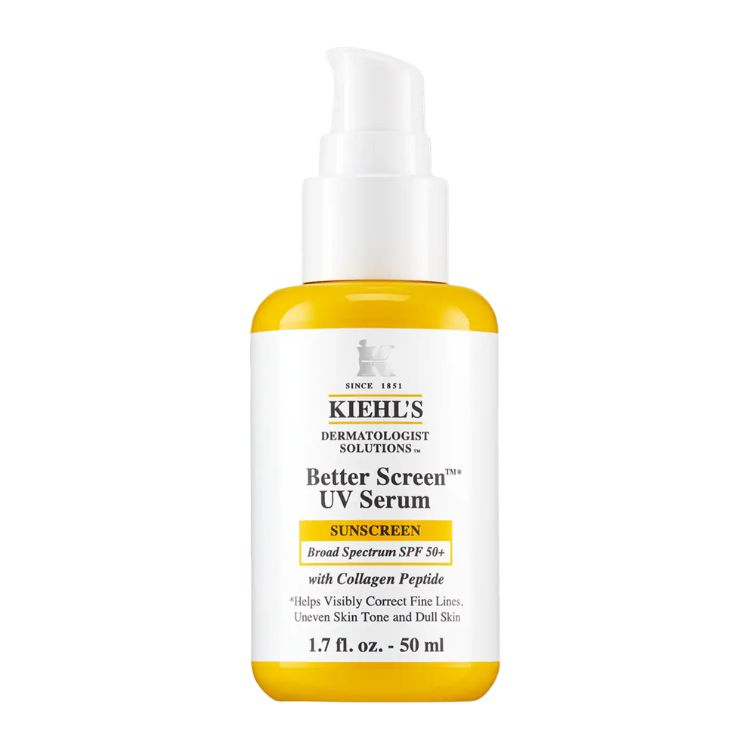
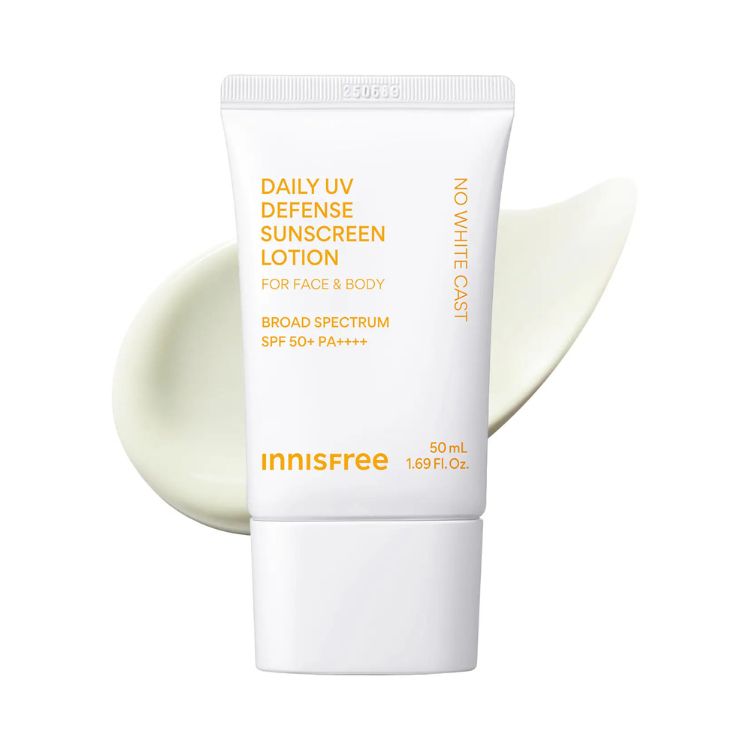
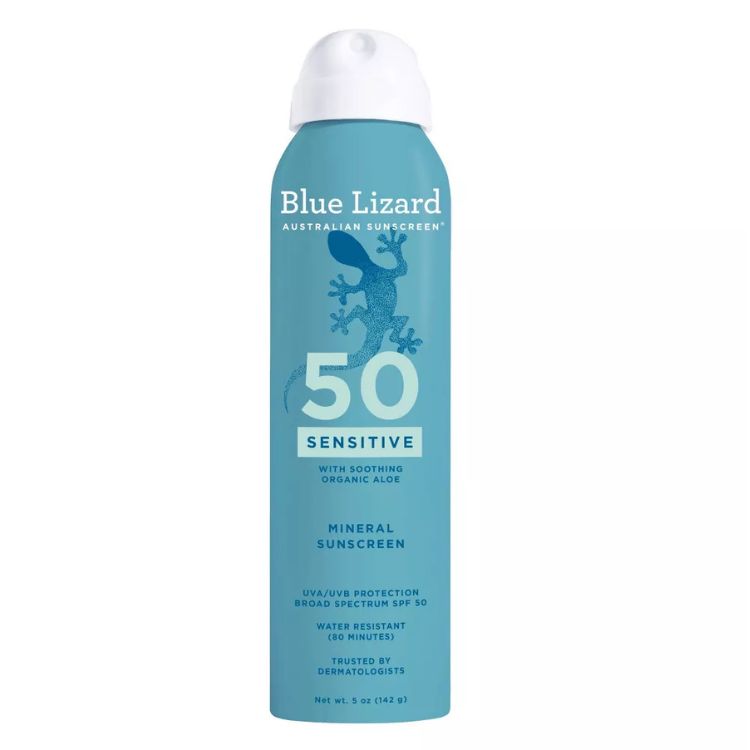
Best Sunscreens for Sensitive Skin
If you’re worried that sunscreen will cause a breakout that will last the entirety of summer, you can take a sigh of relief. These products are perfect for sensitive skin, and sun protection can actually help prevent acne scars. So before you believe the old wives’ tale that the sun will “clear your skin,” trust the experts and lather up.
Best Sunscreens for Wearing with Makeup
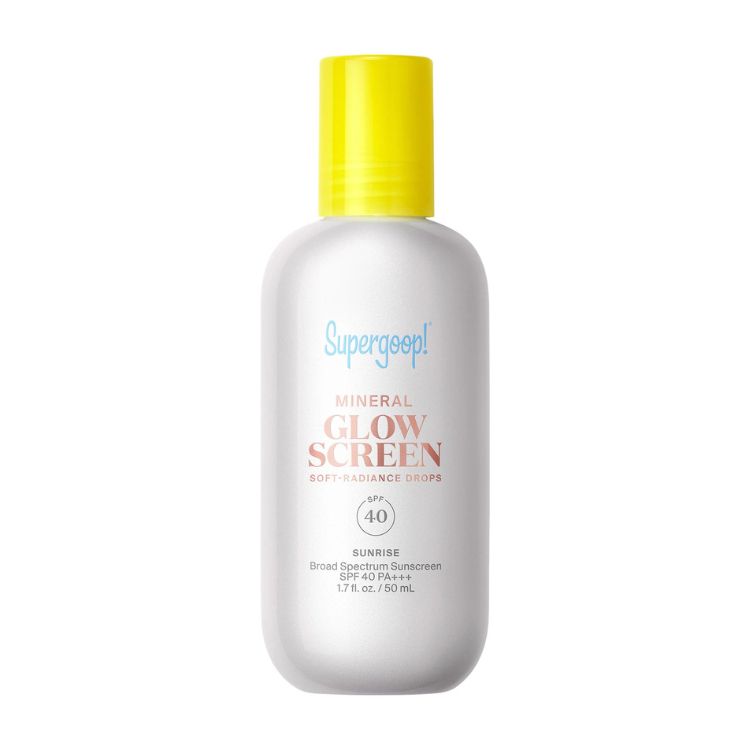
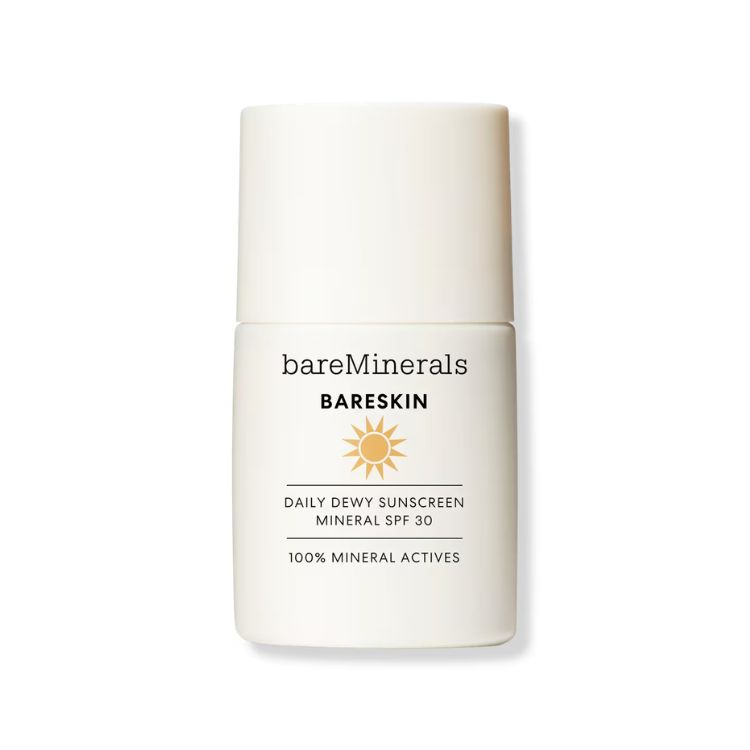
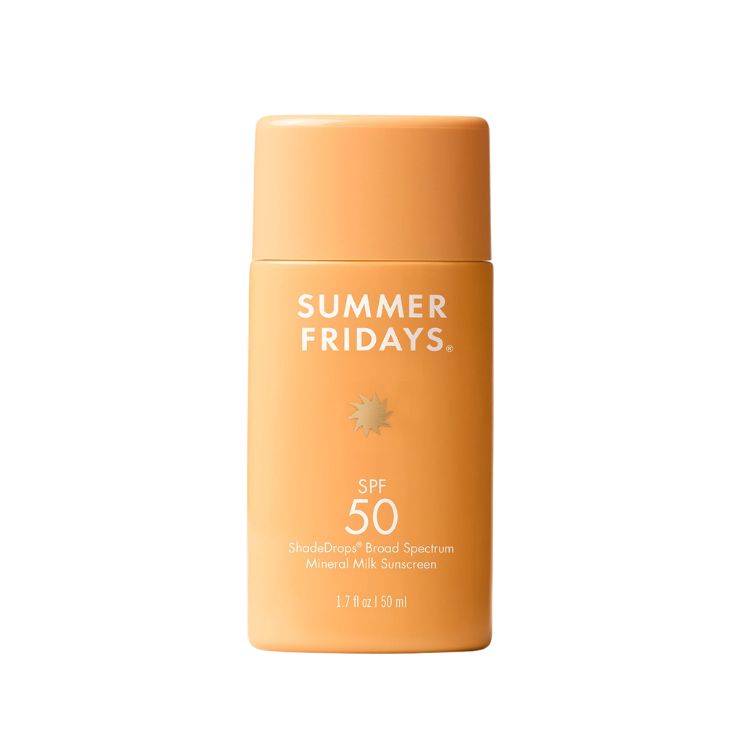
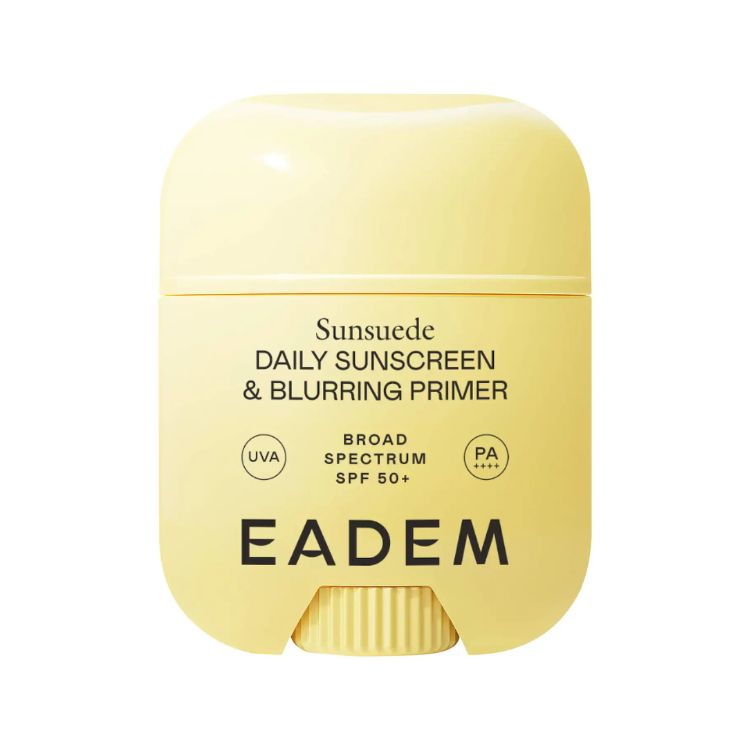
The girls who love a full glam know that the wrong sunscreen can destroy their makeup. Thankfully, now there are plenty of options that won’t just not pill, but actually make your makeup even better. From glowy bases to some much-needed summer mattifying products, these are the sunscreens we keep repurchasing.
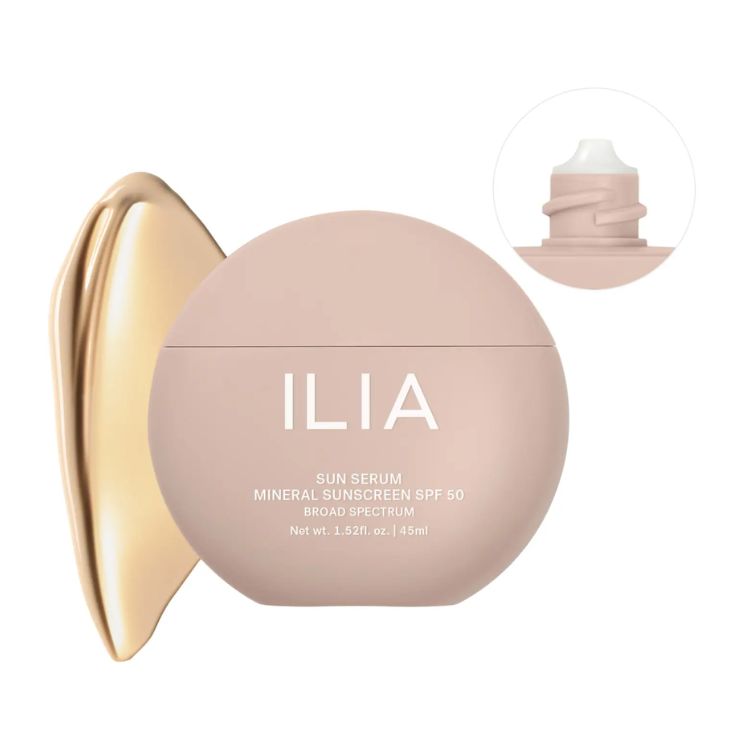
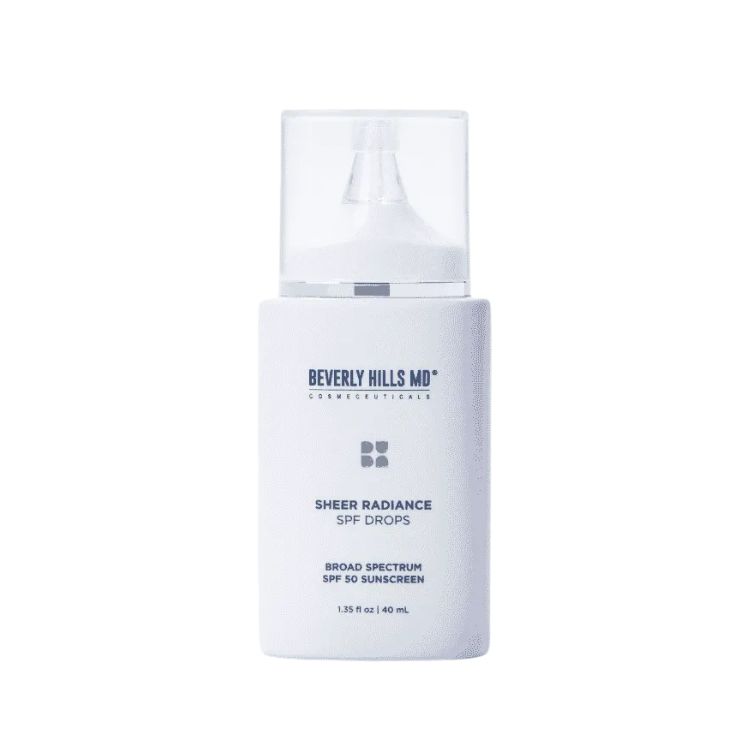
Best Sunscreens for On the Go
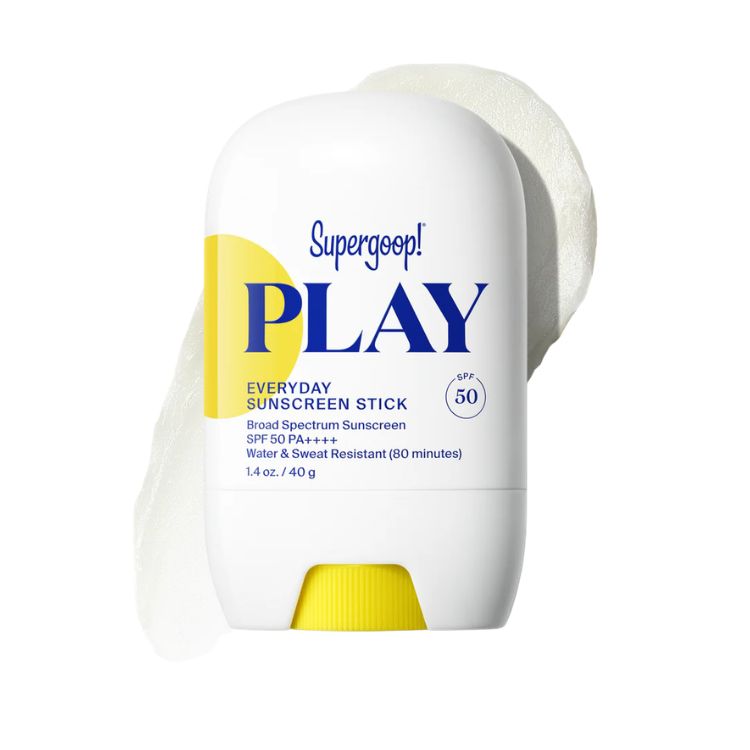
I hate to be the bearer of bad news, but sun protection isn’t as simple as applying once in the morning and going about your life. You should really be reapplying every two hours. Thankfully, these are some of the best sunscreens to make reapplication a breeze. Whether it’s a quick swipe or spritz, you’ll be covered all day long.
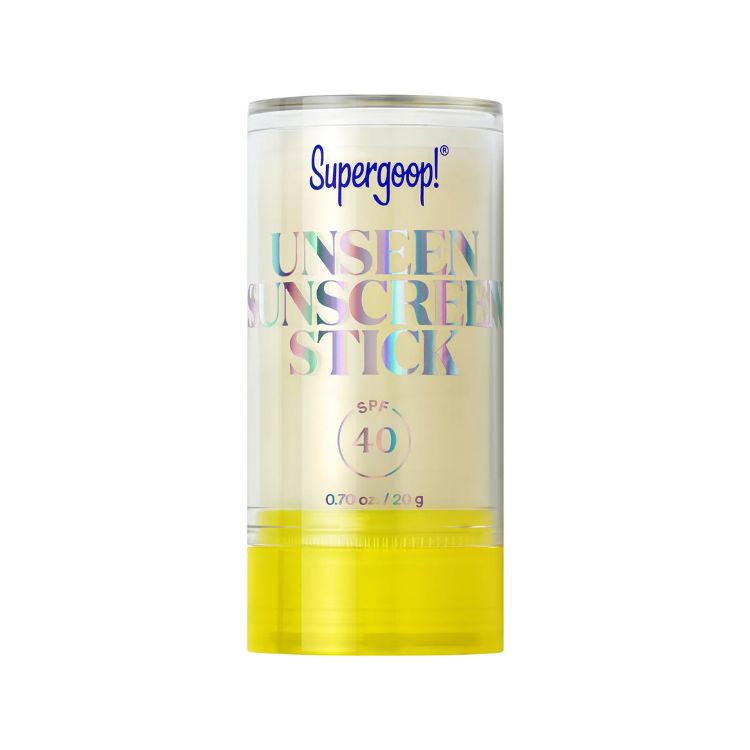
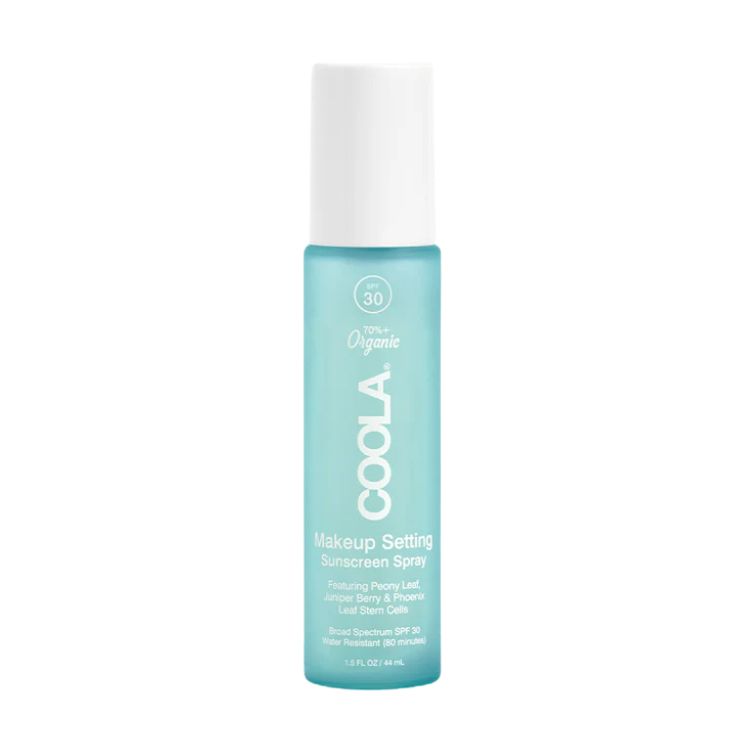
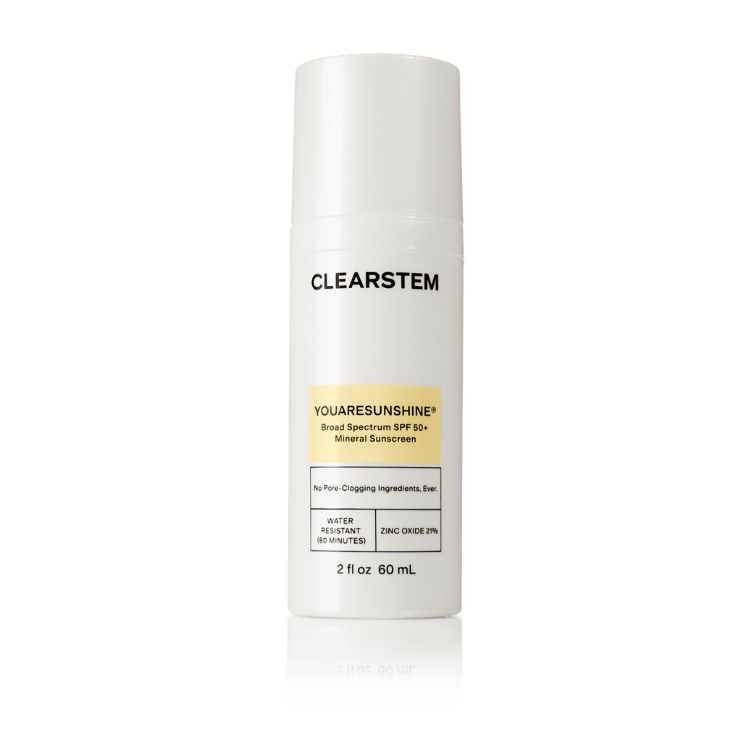
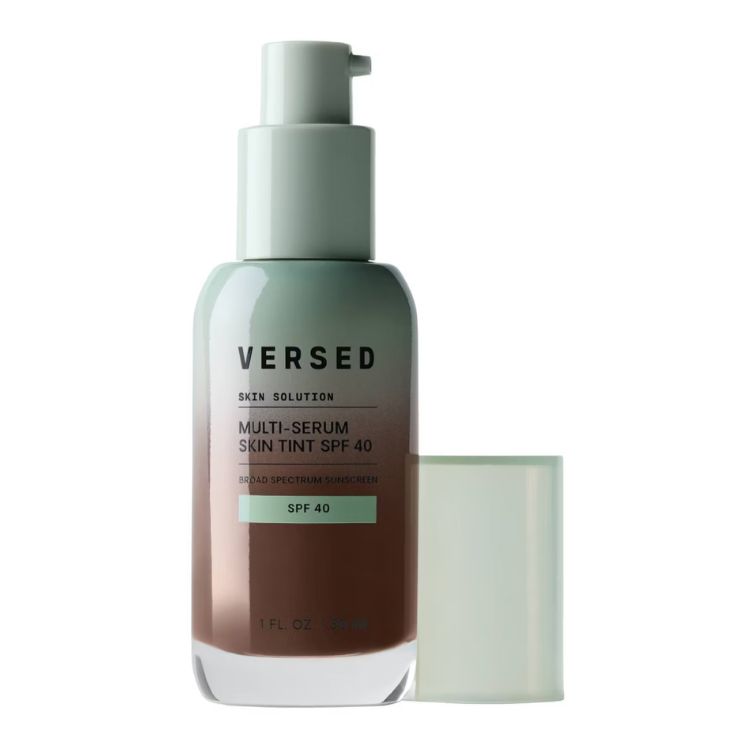
Best Tinted Sunscreens
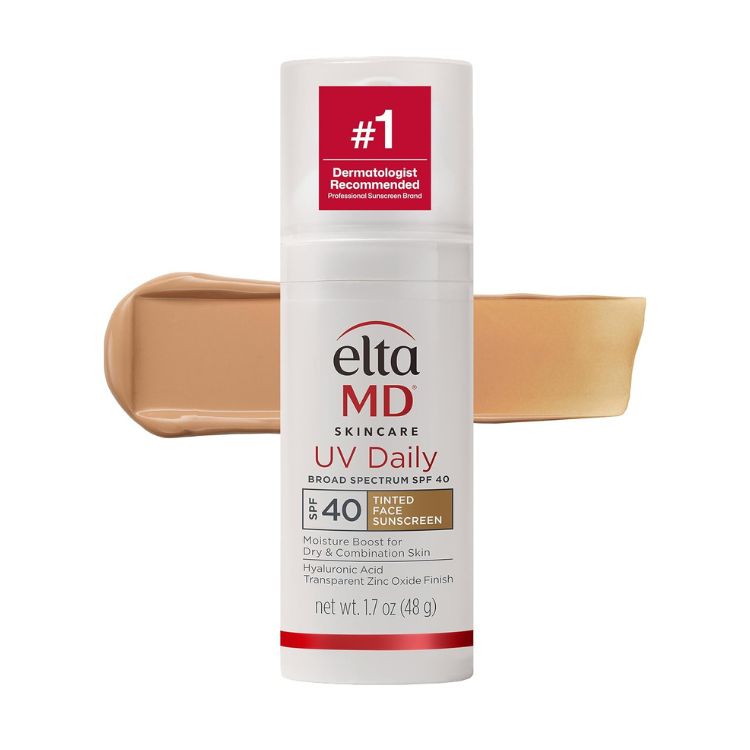
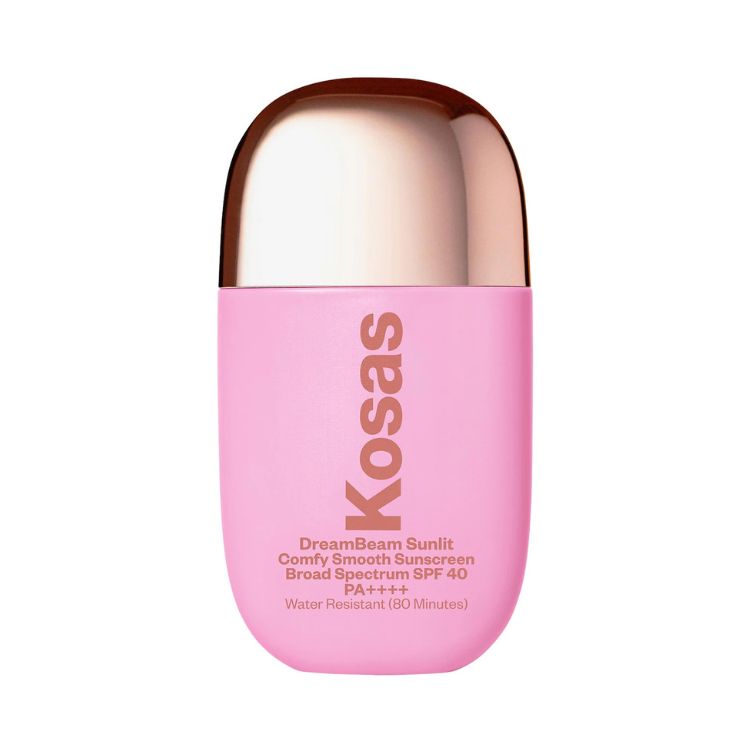
With summer plans and the summer heat, there’s nothing better than a multi-function product. Tinted sunscreens have your SPF protection and your foundation wrapped up all in one incredible product. Once you start using these, you won’t be able to go back.
Best Body Sunscreens
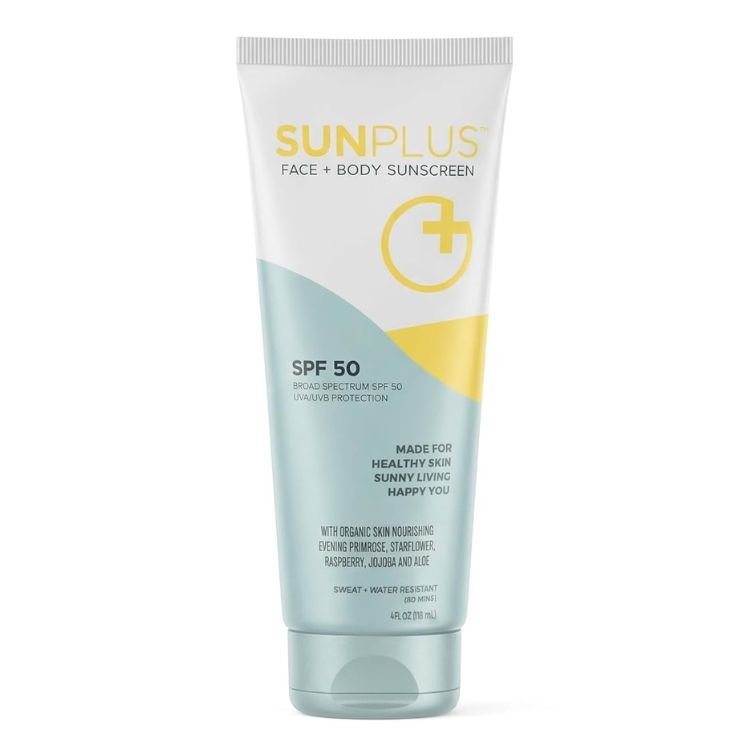
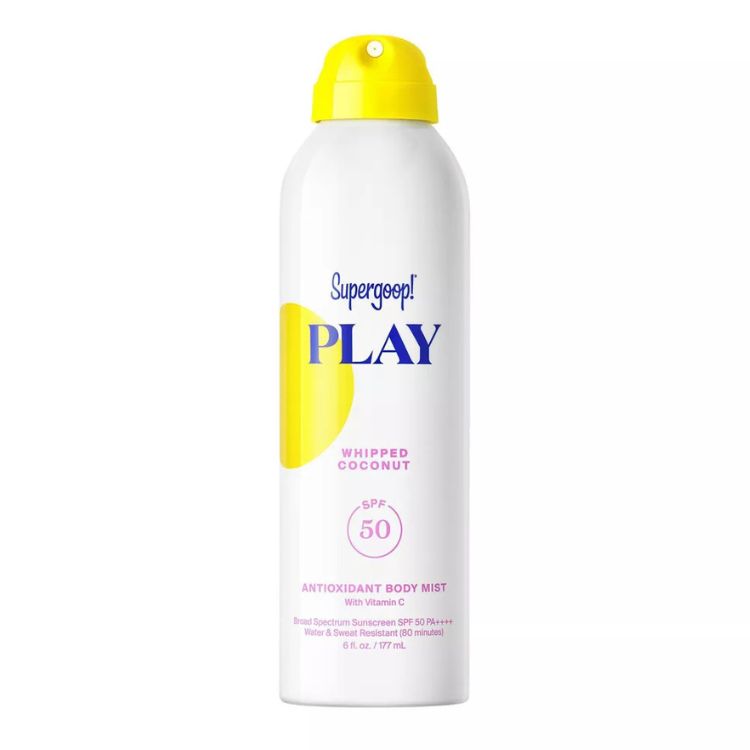
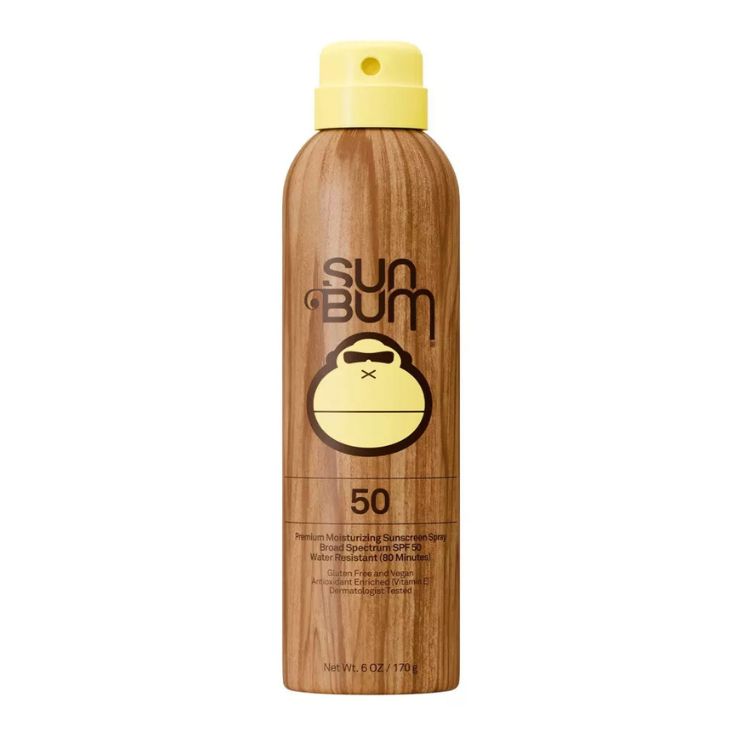
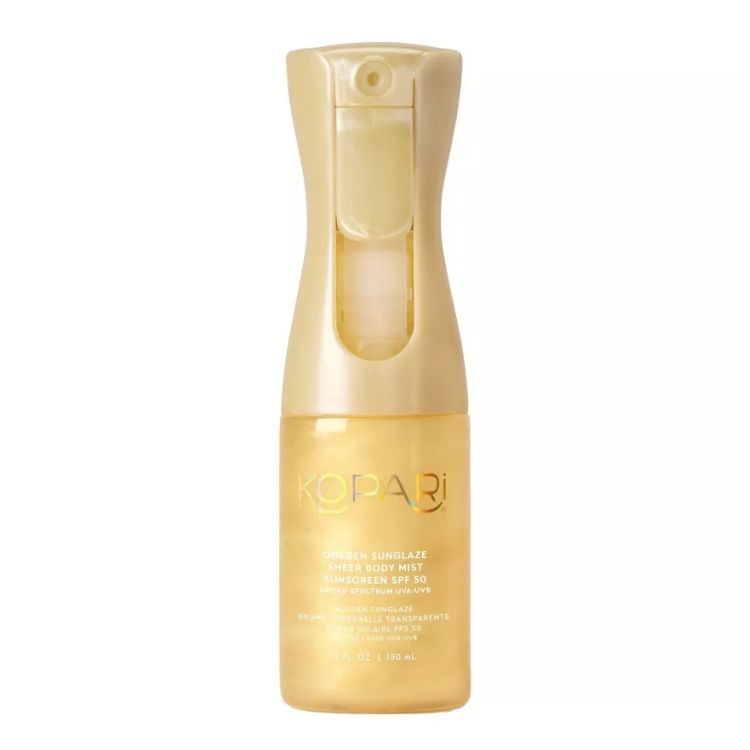
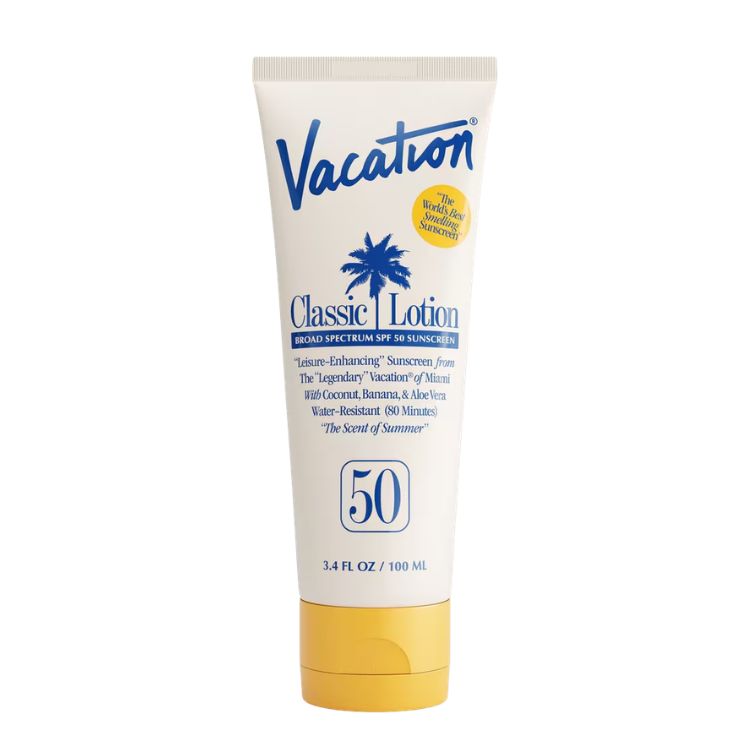
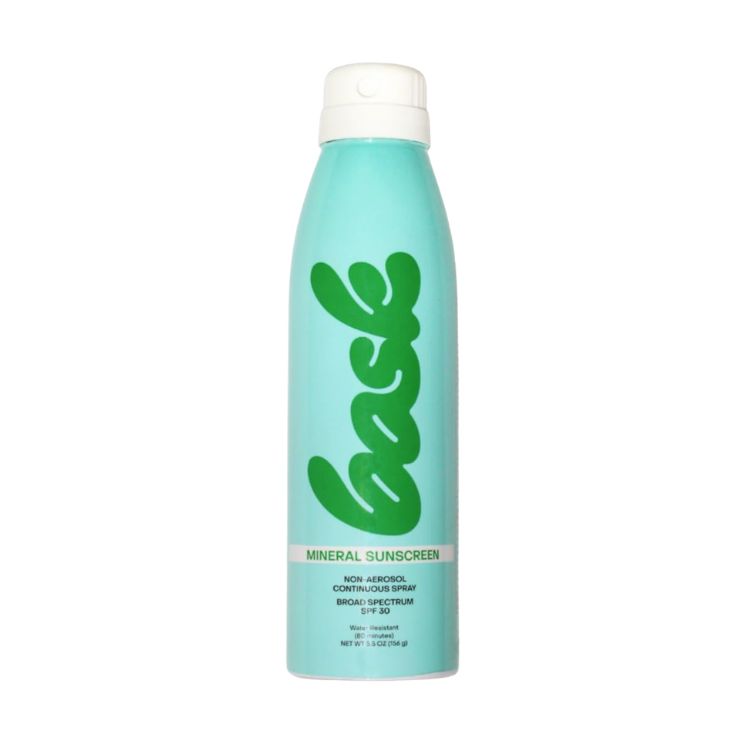
Your face isn’t the only part of your body that needs SPF love. From tried and true classic sprays to ones that rival the smell of your favorite perfume and make you glow more than any lotion, these are the best sunscreen products for your body.
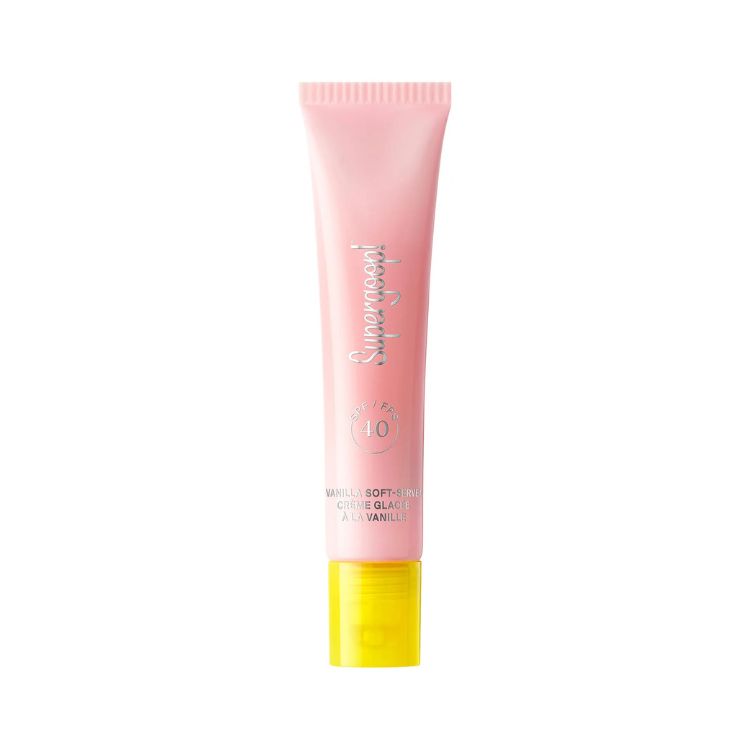
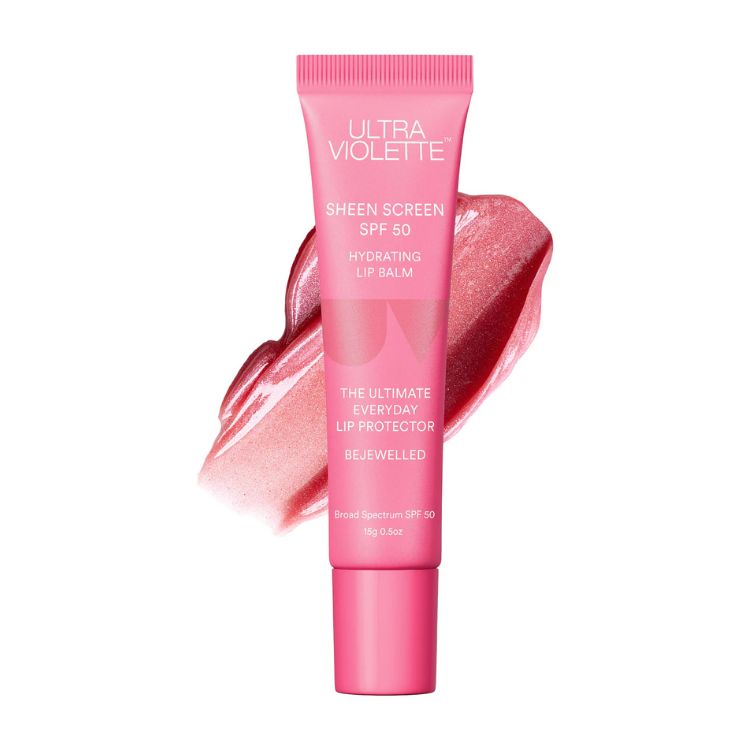
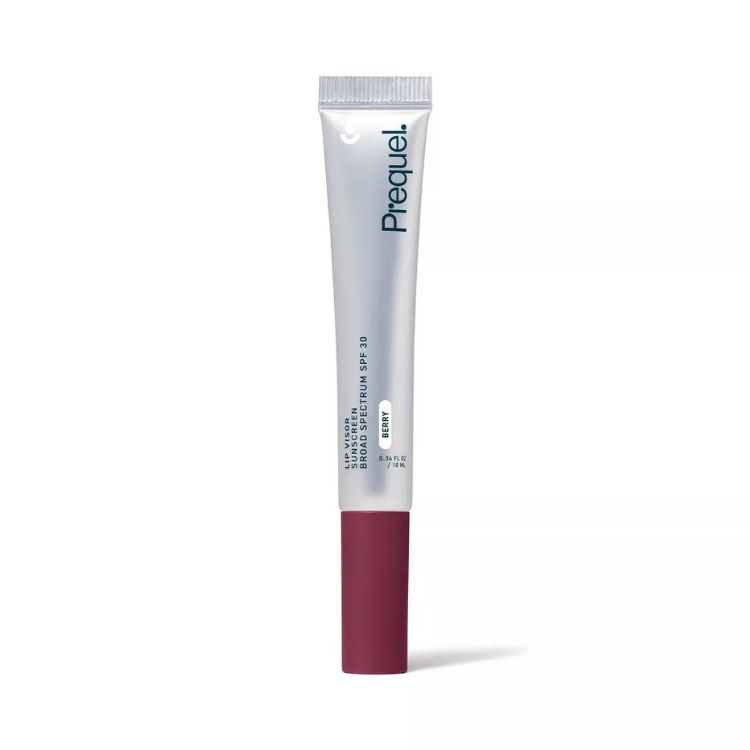
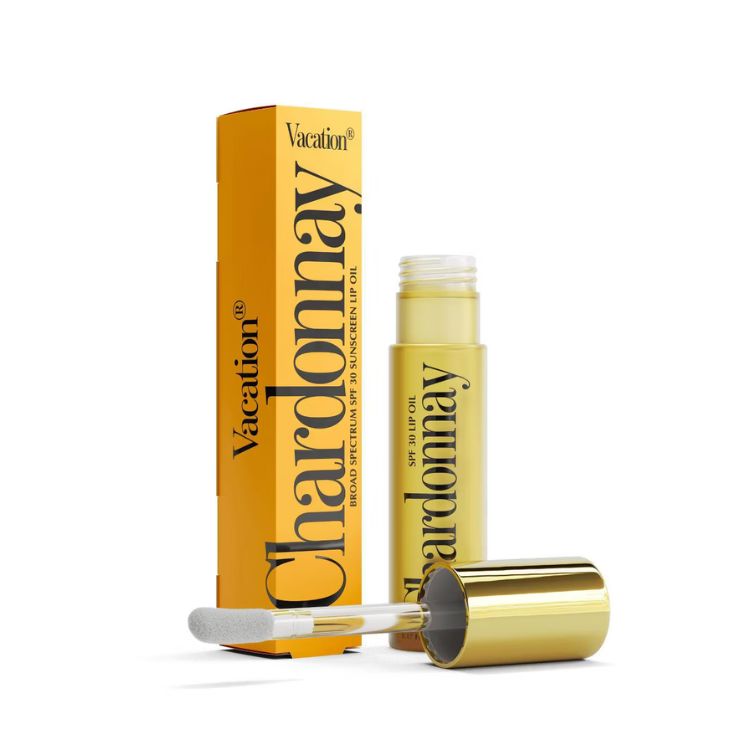
Best Lip Sunscreens
Those gorgeous lip oils you’re re-applying every hour in the summer….yeah, they’re actually attracting the sun. These ones will give you all the color and all the SPF coverage you crave during the warmer months.

Lauren Blue, Associate Editor & Book Club Co-Host
As an Associate Editor for The Everygirl, Lauren ideates and writes content for every facet of our readers’ lives, from must-read books and behind-the-scenes interviews to beauty products she can’t live without. When she isn’t sitting in an AMC watching the latest buzzy release, she can be found scouring Goodreads for the perfect pick for The Everygirl Book Club. There, she co-hosts discussions with members, debating plotlines, fancasting characters, and, of course, tossing in her own recommendations.
Products included in graphics linked within article. Feature graphic images credited to: Tower 28 Beauty, Dara Ely | Dupe, Filipa Matos | Dupe, Luisana Fernández | Dupe, Yara Alves | Dupe, Alyse Alston | Dupe, Anna Robbins Bevis | Dupe, Hannah Dempsey | Dupe, Chandler Roberson | Dupe, and Jessica Johnson | Dupe.
