

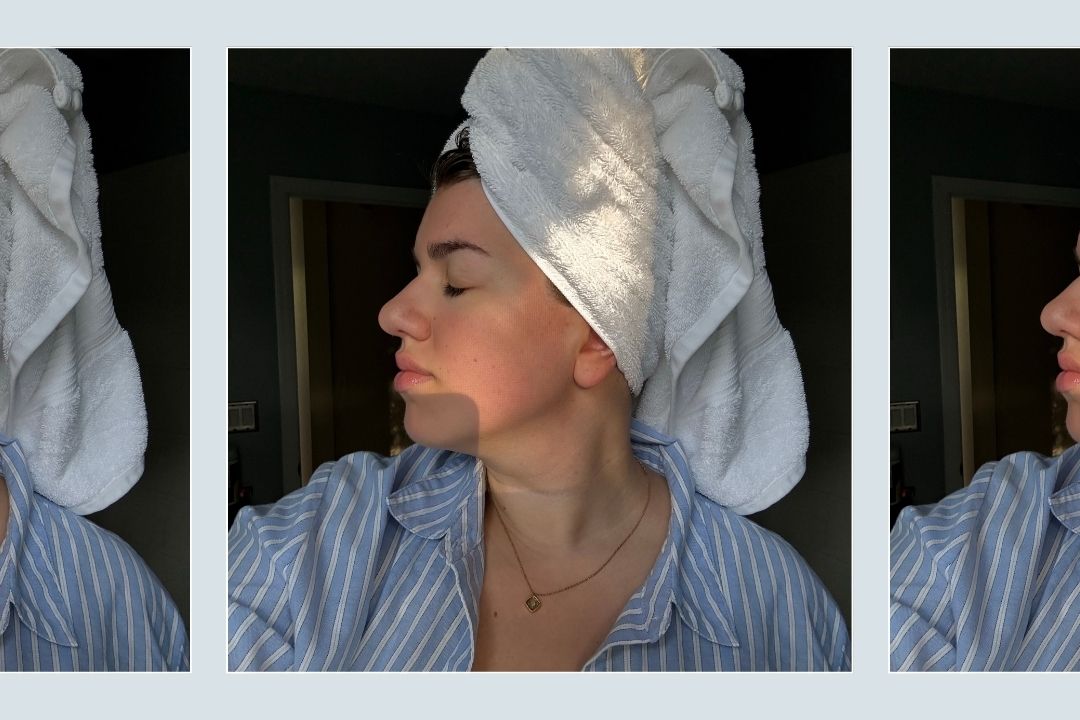
I’ve struggled with cystic acne since I turned 14; not coincidentally, that’s the age I got my period. It’s normal for your hormones to fluctuate erratically during your teenage years (and with it a range of symptoms like breakouts), but aren’t they supposed to chill out eventually!? I’m now in my late 20s, but still deal with hormonal issues that shows up on my skin. After trying everything to clear my persistent acne (to no avail), I learned how everything in the body is linked. What’s showing up on our skin is not actually skin-deep; it’s a reflection of what’s going on in the body–namely with hormones. I realized that managing my hormones would be my path toward clearer skin.
“Because the endocrine system is highly interconnected, balanced hormones show up in many ways in your body from your energy and mood to your metabolism, sleep, and skin health,” says Dr. Gabe Gaviola, MD, MPH, Senior Medical Director at Everlywell. “When they’re balanced, you feel it everywhere… Prioritizing hormone health is about making the right changes to improve hormone health so that every other system in your body has a stable foundation to run on.” Spoiler alert: Rather than spending all my time (and money) focused on topical serums and facials, I worked on healing my body from the inside–and it resulted in the best skin of my life. Here are 7 micro-habits I added to my routine that I think made the biggest difference.
“Rather than focusing on topical serums and facials, I worked on healing my body from the inside–and it resulted in the best skin of my life.”
Meet The Experts
At The Everygirl, we believe that wellness advice should be grounded in accurate, science-backed information to ensure our readers can make informed decisions about their health and well-being. That’s why we prioritize consulting trusted, credible experts—so every piece of content is both reliable and empowering.

Dr. Gabe Gaviola, MD, MPH, is an EVP, Senior Medical Director at Everlywell and a board-certified occupational medicine physician. Dr. Gaviola also serves as an occupational medicine physician for The New York Times and occupational health consultant for Boston Scientific.
7 Micro Wellness Habits I Added That Gave Me the Best Skin of My Life
1. Establish a supplement routine
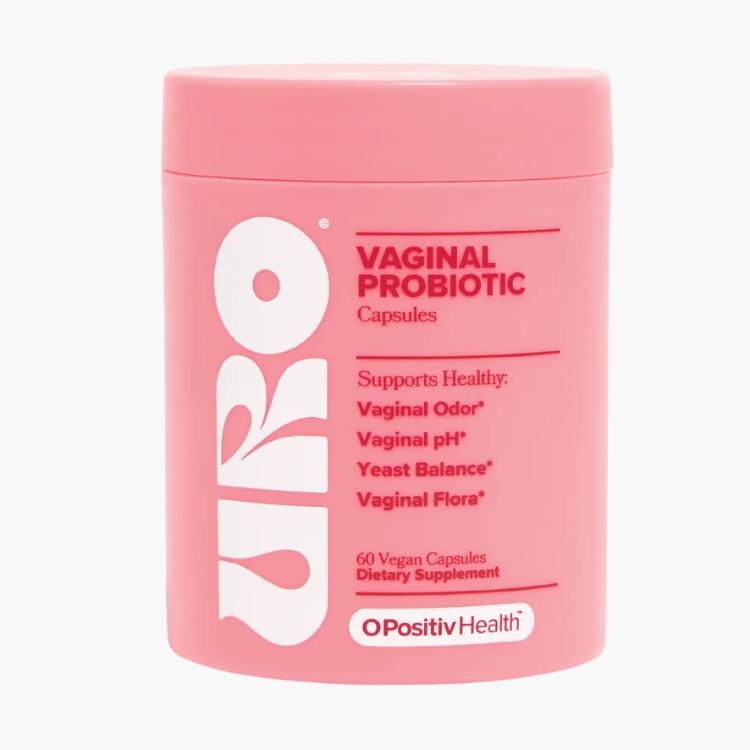
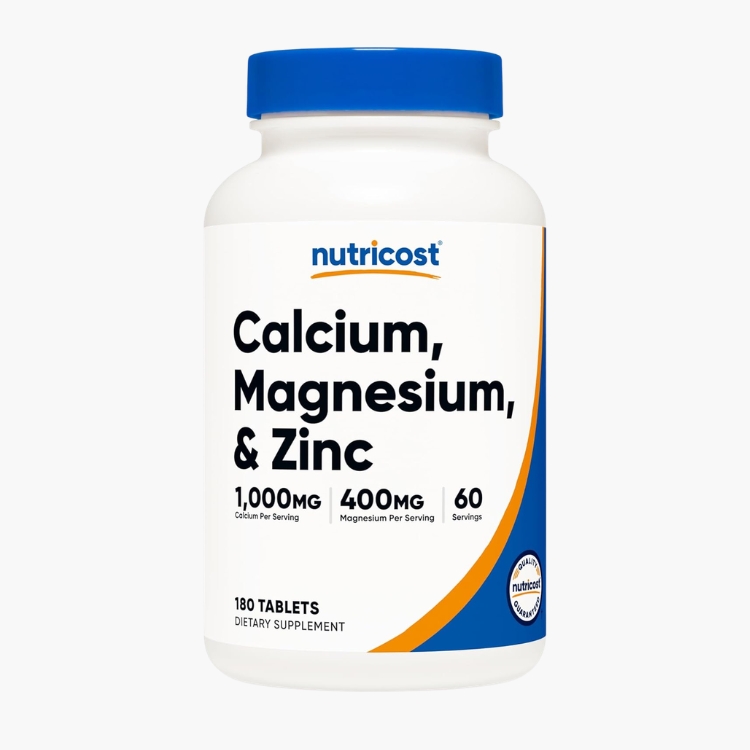
I’ve been through seasons of chronic UTIs, and from those excruciating experiences I have come to deeply understand the importance of Lactobacillus bacteria, which protects vaginal flora and the gut. So I take a woman’s probiotic every day (specifically the one from Trader Joe’s, which is formulated with 2.5 billion CFUs to support digestive and vaginal health). But since trying to heal my hormones, I became consistent with a calcium, zinc, and magnesium blend; research indicates this combination can help with healing hormones and reducing inflammation in those with PCOS. Zinc in particular can rebalance inadequate or excess cortisol, estrogen, and progesterone in women, according to Women’s Health Network. The combination of calcium, zinc, and magnesium may also improve sleep quality, control blood sugar levels, and boost the immune system—all integral for hormone health.
2. Drink kefir daily
On the (fun!) topic of UTIs and gut health: My desperation to cultivate resources of healthy bacteria to prevent UTIs also led me to kefir. As someone who doesn’t hate yogurt but at the same time can’t really stand eating it for more than two days in a row, kefir offers a delicious alternative, and you only have to drink one cup per day to get the benefits.
Kefir (or other fermented foods) is so beneficial for gut health, which is inextricably linked to hormone health. The gut is responsible for the absorption of essential nutrients for hormonal health and plays a key role in regulating hormones throughout the body. “Fermented foods like kimchi, sauerkraut, kefir, and yogurt feed a diverse gut microbiome, which plays a surprising and important role in hormone health,” Dr. Gaviola says. “A specific community of gut bacteria, the ‘estrobolome,’ helps regulate how your body processes and clears estrogen.”
3. Eat within two hours of waking up
I’ve historically struggled with remembering (or admittedly just being too lazy) to make myself food until the late afternoon, quieting my stomach with an iced latte. Unfortunately, I don’t know if I’ll ever get to the point where I’ll get in breakfast before coffee—but putting in effort to feed myself in the mornings for the sake of my hormone health has made me feel more energized, accomplished, and not frantic for a bag of chips when 2 p.m. hits.
According to Dr. Gaviola, eating a protein and fiber-forward breakfast within one to two hours of waking is ideal for hormonal health, and therefore for skin health. “This blunts the morning cortisol curve and stabilizes blood sugar, which downstream supports insulin sensitivity and reproductive hormone balance,” he says. When you skip food in the morning, your blood sugar tends to dip and then spike later in the day, which can increase cortisol and inflammation—both of which can trigger breakouts and dullness. Eating protein and fiber early helps keep glucose steady from the start, supporting more balanced hormones and clearer, healthier-looking skin.
4. Avoid alcohol and late night food before bed
I used to indulge in a nightcap pretty frequently—but if anything will deter you from that, it’s entering your late 20s (read: alcohol hits you harder than it ever did in your early 20s). “Sleep is extremely important for your hormone health. Alcohol can make you fall asleep faster but disrupts REM and deep sleep, and it raises overnight heart rate and cortisol,” Dr. Gaviola explained. “The same goes for food…Late-night eating raises overnight blood sugar and insulin, suppresses your natural melatonin release, and can blunt the overnight rise in growth hormone—the hormone responsible for repair and recovery while you sleep.”
So I’ve consciously swapped out my glass of wine for a cup of tea, and I actually look forward to the ritual of sipping something warm in the evening that I know won’t hurt me in the morning. After regularly brewing a pot of tea instead of reaching for a bottle, I noticed the effects almost immediately: I wake up feeling more refreshed, and my skin has stayed mostly clear when before breaking out during my period was the one thing in life I could count on (if anything, acne is reliable!).
5. Get a consistent 8-9 hours of sleep
As Dr. Gaviola alluded to: Your hormones are affected if you don’t get enough Zzz’s. Sleep is when your body releases the hormone responsible for repair and recovery. In other words, high-quality sleep is when your skin does its deepest repair—boosting collagen production, increasing blood flow, and supporting cell turnover for that rested, clear, glowy look. Poor sleep, on the other hand, raises cortisol and inflammation, which can break down collagen, impair the skin barrier, and lead to dullness, breakouts, and premature aging.
While getting seven to eight hours is the accepted one-size-fits-all recommendation, that number is catered to men—women actually may need more, according to the Woman’s Brain Health Initiative. “Women tend to use more of their actual brain than men do,” said Professor Jim Horne, director of the Sleep Research Center at Loughborough University. “Women’s brains are wired differently from men’s and are more complex, so their sleep needs will be slightly greater.”
“Even shifting your bedtime by one to two hours on weekends, ‘social jetlag,’ can disrupt your circadian rhythm and the hormones tied to it: cortisol, melatonin, leptin, ghrelin,” Dr. Gaviola warned. “When your sleep is consistent, your system stays balanced.” As a night owl with a lax work schedule, I often have to force myself to not stay up too late (it’s 12:16 a.m. at the time of writing this, but we’re not aiming for perfection!), so taking baby steps to get more consistent with my bedtime and wake time has been key. As my sleep quality has improved, I’ve noticed I’m more motivated and productive, making it easier to do everyday things like working out (AKA more beneficial habits for my skin health).
6. Practice breath work
I give Pilates all the credit for my personal discovery of breathwork: I never feel more calm and rejuvenated than after leaving a class where I focused on my inhales and exhales for the full 50 minutes. After diving into hormonal health, I learned that breathwork has many related benefits: “If you feel your stress levels rising, implementing breathwork can be a helpful way to calm your nervous system, especially before bed,” Dr. Gaviola says. “When your cortisol levels are high for too long, it can interfere with other hormones, suppressing reproductive hormones like estrogen and progesterone, affecting your blood sugar, and even disrupting thyroid function.”
Breathwork helps regulate your nervous system, lowering cortisol and reducing inflammation—two major drivers of breakouts. When your body is in a calmer state, circulation improves and more oxygen and nutrients reach the skin, supporting a clearer, more radiant complexion. I’ve also become slightly obsessed with diaphragmatic breathing, AKA taking deep inhales so that your belly rises and then slowly exhaling to release everything. This helps you to relax, increases the oxygen in your blood, and can even reduce heart rate and blood pressure.
7. Eat vegetables every single day
This habit was probably the most seamless for me to adopt, as I’ll devour any kind of vegetable as long as it’s been tossed with olive oil and salt and pepper and roasted in the oven for at least 20 minutes. Being more mindful of my hormone health has just given me more motivation to make home-cooked meals more often (at least five days of the week). If it’s not go-to roasted broccoli, sweet potatoes, or Brussels sprouts with dinner, I try to get at least a couple vegetables in throughout the day, even I’m eating on-the-go and that’s as simple as tomato on a bagel, arugula on a sandwich, chips and homemade guac.
“Blood sugar is foundational for hormone balance and eating vegetables is a simple habit to stabilize blood sugar,” Dr. Gaviola says. “Aim for a variety, and prioritize cruciferous vegetables—broccoli, brussels sprouts, kale, cabbage—a few times per week. They contain compounds that support healthy estrogen metabolism. Fiber from veggies also helps your body clear excess estrogen.” When estrogen is out of balance (too high without enough progesterone) it can create the conditions (more oil, inflammation, and hormonal shifts) that lead to acne. Vegetables not only help keep blood sugar stable (read: keeps inflammation low), but also helps with the body’s overall hormone balance which helps support clear, healthy skin. And I certainly saw the different when I focused on adding in more veggies.

Bryce Jones
Bryce is an LA-based journalist and freelance writer. She formerly worked as an editor at Better Homes & Gardens, covering topics ranging from lifestyle and food to entertainment and mental health. Her words have also appeared in Polyester, Cosmopolitan, Apartment Therapy, and more.
