


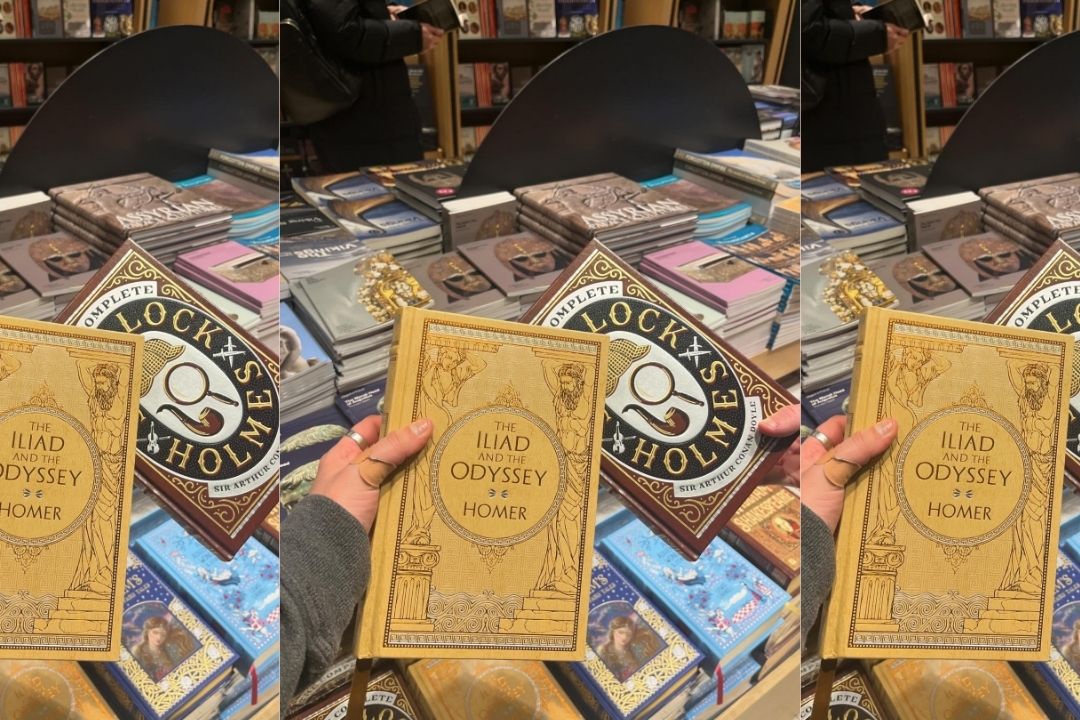
If Christopher Nolan’s The Odyssey has you thinking about gods, monsters, and mortals in an epic new way, you’re not alone. There’s something about Homer’s ancient world that keeps pulling us back in, and lately, some of the best storytelling around has come from authors reimagining these myths from fresh, often overlooked perspectives. The women left in the margins, the “villains” who never got to tell their side, the goddesses reduced to footnotes: modern Greek mythology retellings hand them the microphone at last.
So if you finished the film and you’re wanting more, we’ve rounded up 12 Greek mythology retellings to pick up next. Some follow the world of The Odyssey directly, while others venture into other corners of the Greek canon, but all of them prove that even the oldest stories still have something new to say. Add a few to your beach reads list, or bring one to your next book club meeting. Here are the Greek retellings to add to your TBR.
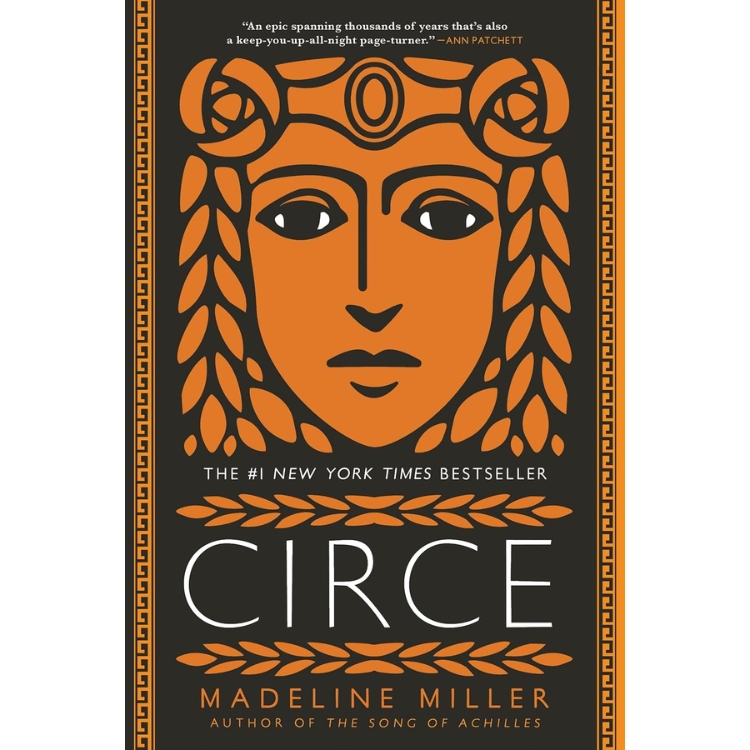
The book that arguably kicked off the modern Greek retelling renaissance, Circe is essential reading for any myth lover, and a perfect addition to your summer reading challenge. Miller follows the witch-goddess of Aiaia, the very same enchantress Odysseus encounters on his long journey home, and gives her a sweeping story of her own. Banished to a remote island, Circe discovers her powers, crosses paths with some of mythology’s most famous figures, and slowly comes into her own. Lyrical, moving, and impossible to put down, it’s the perfect follow-up to The Odyssey.
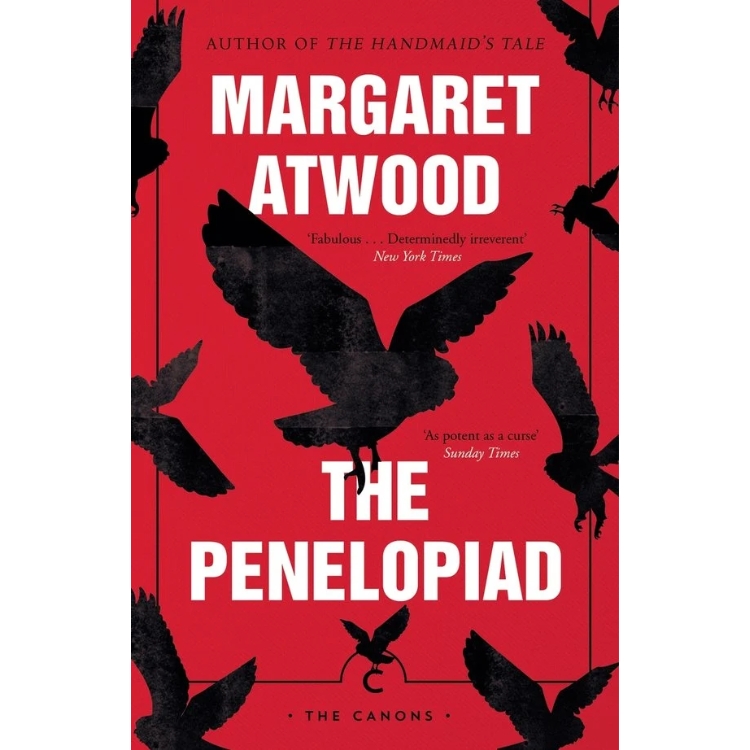
Who better to reframe The Odyssey than the woman who waited 20 years for Odysseus to come home? In this sharp, witty novella, Margaret Atwood hands the narration to Penelope, telling the story from the afterlife as she reflects on her marriage, her cleverness, and the murky circumstances surrounding her 12 hanged maids. It’s a clever, subversive companion piece that will make you rethink the “faithful wife” you thought you knew.
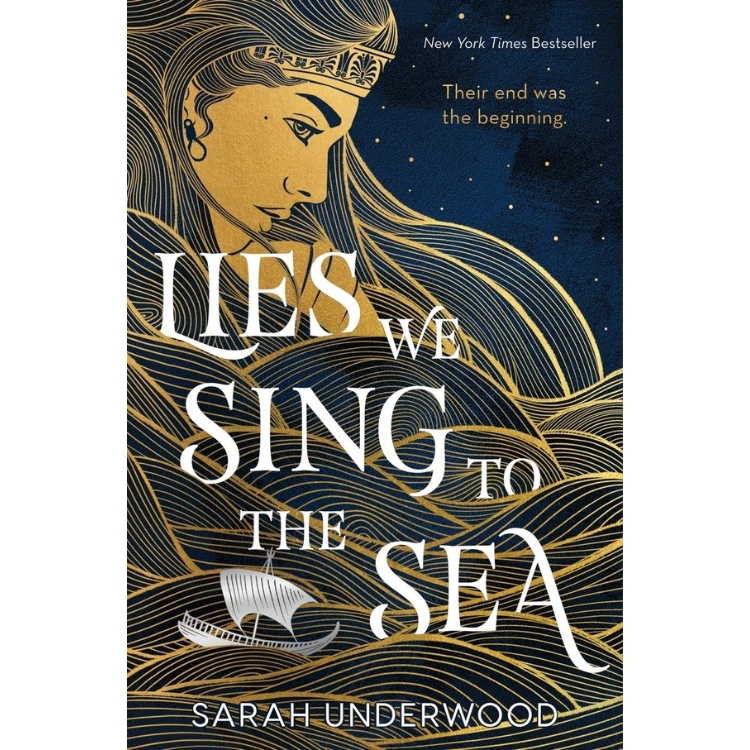
Inspired by the fate of Penelope’s 12 hanged maids, this sapphic YA fantasy takes a haunting detail from The Odyssey and spins it into something entirely new. Each spring, the kingdom of Ithaca hangs 12 maidens to appease a vengeful Poseidon. But when Leto wakes after her own death on a mysterious island, she meets a girl who can command the sea and learns there may be one way to break the curse: the prince of Ithaca must die. Lyrical and heartbreaking, it’s perfect for fans of lush, tragic romance.
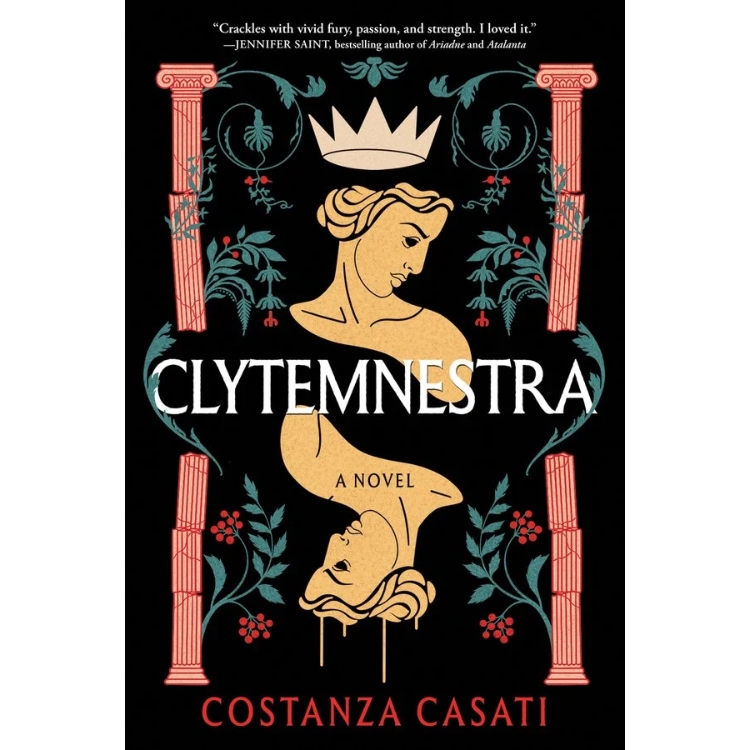
Often remembered as one of mythology’s greatest villains, Clytemnestra, the wife of Agamemnon and sister of Helen of Troy, finally gets her due in Casati’s blazing debut. The novel follows her from her early life as a Spartan princess through the devastating betrayals that transform her into a queen bent on vengeance. Fierce, immersive, and impossible to look away from, it reframes a so-called murderess as a fully human woman shaped by grief, love, and injustice.
Thinking about seeing The Odyssey in theaters? READ: ‘The Odyssey’ Review: Why Christopher Nolan’s Epic Is Really a Love Story
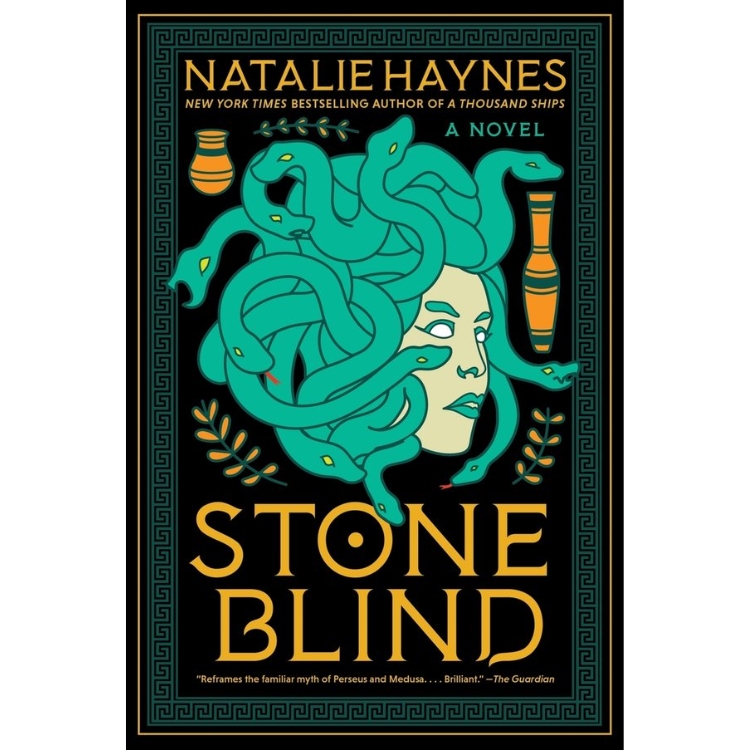
Everyone knows Medusa as a monster, but Natalie Haynes asks us to reconsider. Stone Blind retells the story of the only mortal Gorgon, a young woman punished by the gods for a crime committed against her, then hunted by Perseus as if she were the villain. With Haynes’s signature wit and feminist lens, it’s a razor-sharp reexamination of who gets cast as a monster and who gets called a hero.
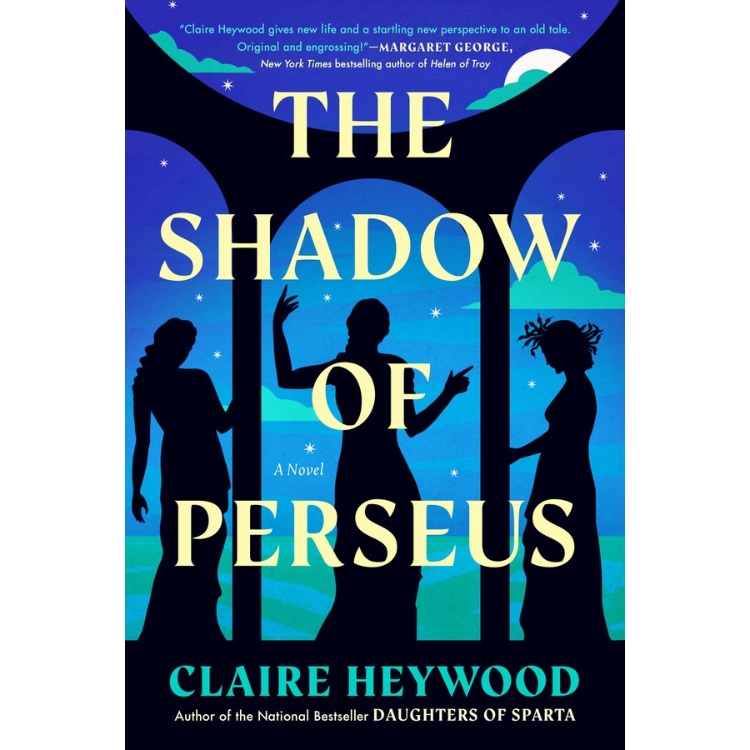
For a grounded, human take on a classic hero myth, The Shadow of Perseus tells the Perseus story through the eyes of the three women in his life: his mother Danae, Medusa, and his wife Andromeda. Stripping away the divine gloss, Heywood offers a more complicated, morally murky portrait of the celebrated hero, and gives voice to the women his legend so often overlooks.
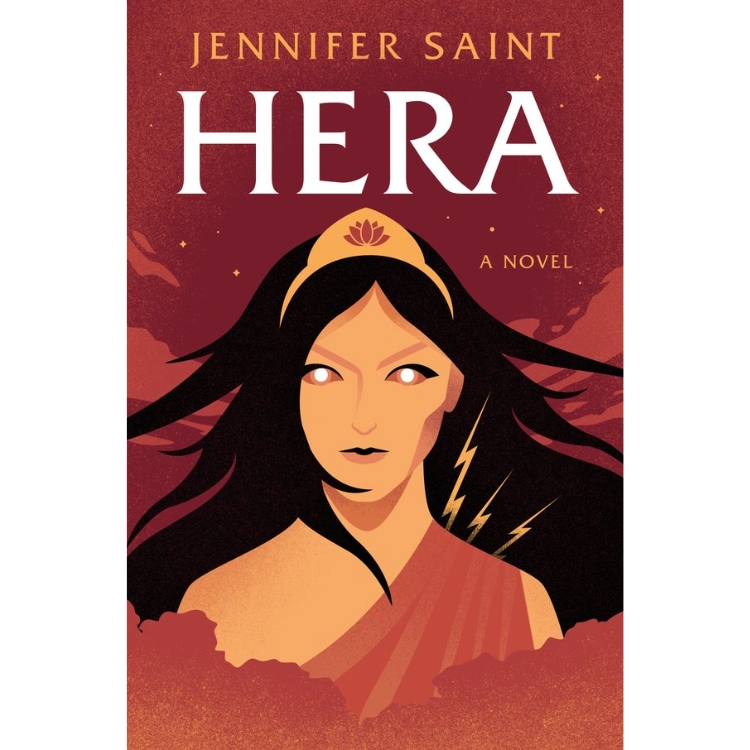
Jennifer Saint, one of the reigning queens of the genre, turns her attention to the queen of the gods herself. Often reduced to a jealous, vengeful wife, Hera is reimagined here in all her complexity, from her rise to power alongside Zeus to her simmering resentments and quiet rebellions. It’s a fresh look at one of Olympus’s most misunderstood figures, told with Saint’s signature elegance.
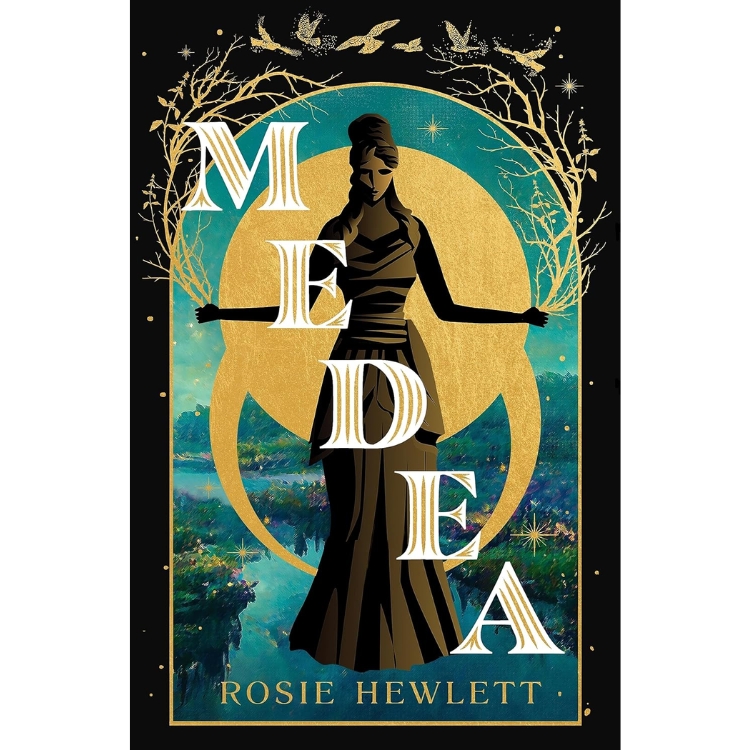
Medea is one of mythology’s most notorious women, a witch, a lover, and, infamously, a mother who commits the unthinkable. In this propulsive, first-person retelling, Rosie Hewlett gives Medea back her voice, tracing her journey from a lonely princess to one of the most feared women in the ancient world. It’s a bold, empathetic take that asks how a woman becomes a legend, and a warning.
If you want a little more romantasy served alongside your fiction: Goodreads Just Revealed the Best Romance and Romantasy Books of 2026 So Far
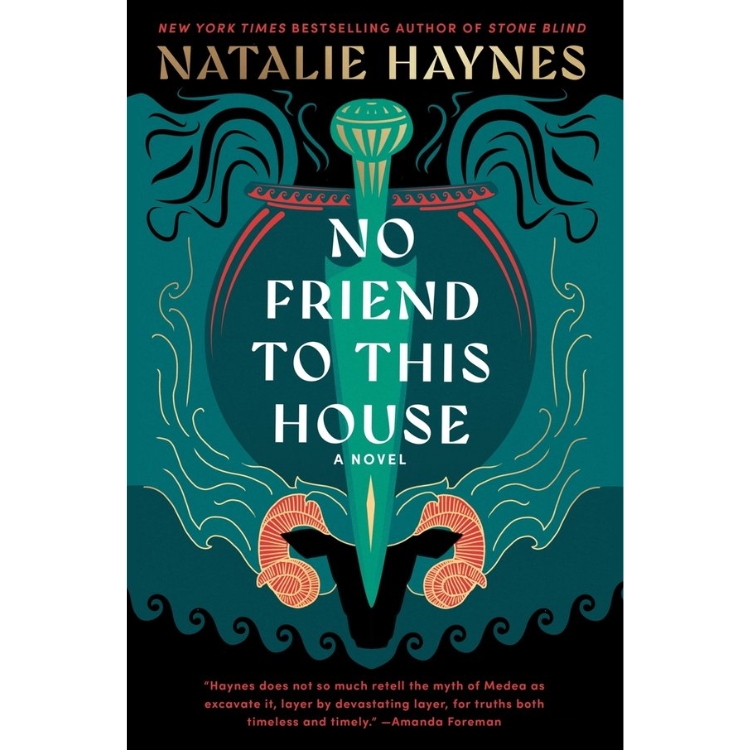
Another Medea retelling worth your time, this one from the bestselling author of Stone Blind. No Friend to This House follows Jason and the Argonauts on their quest for the Golden Fleece, centering the often-forgotten women they encounter along the way, especially Medea, the priestess and witch whose power can save Jason’s life. Told through Haynes’s polyphonic, feminist approach, it excavates the myth layer by devastating layer.
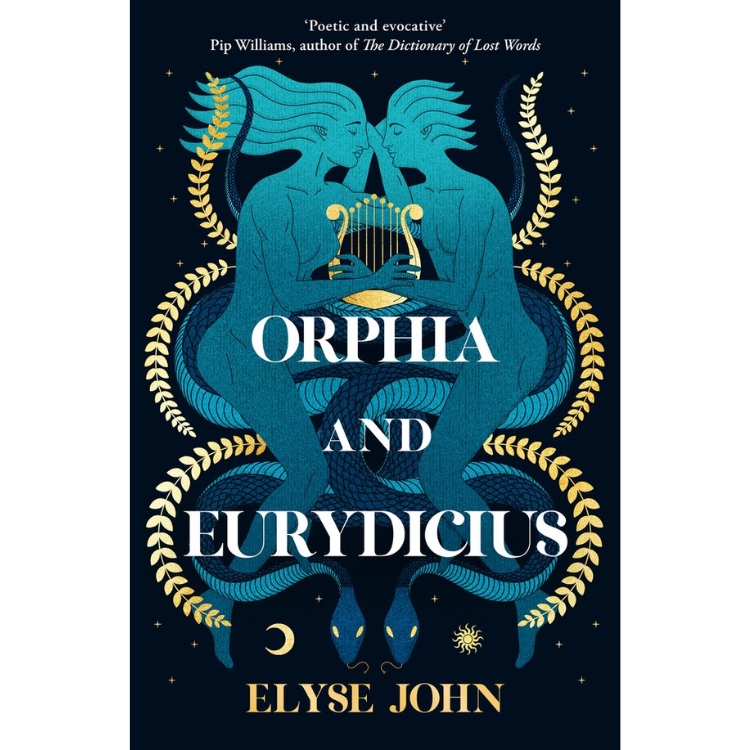
A dazzling gender-flipped retelling of the Orpheus and Eurydice myth, this novel reimagines the legendary poet as Orphia, a fierce, creative woman whose words can move forests to grow, and her beloved as Eurydicius, a gentle shield-maker. As Orphia joins the Argonauts and chases fame with her art, she must decide what she’s willing to risk for love, even a journey into the Underworld. A lush, emotional story about creativity, memory, and giving voice to the voiceless.
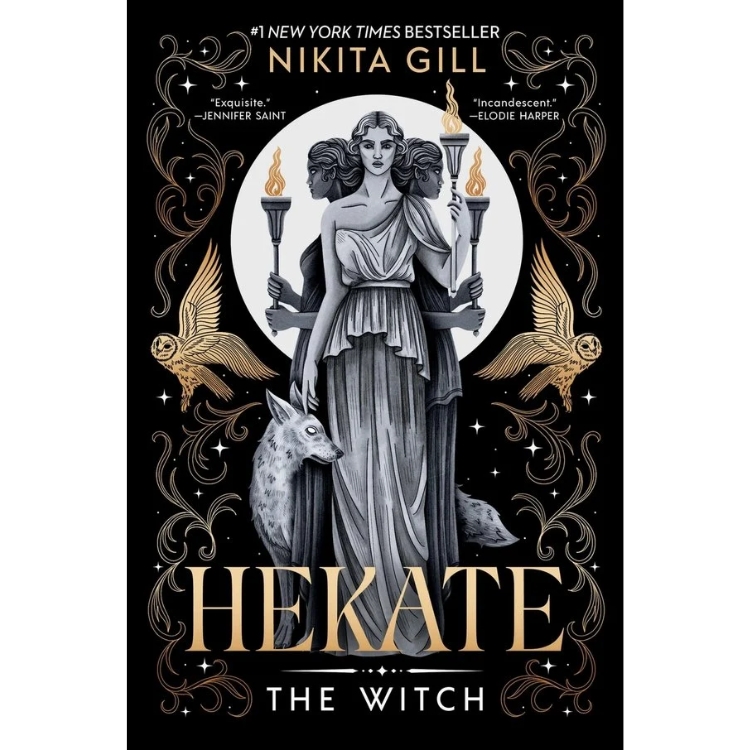
Poet Nikita Gill brings her lyrical gifts to the goddess of magic and witchcraft in this stunning retelling told in verse. Raised in the Underworld by Hades and Styx, Hekate encounters both beauty and horror as she comes into her formidable power. Atmospheric and spellbinding, it’s a gorgeous pick for anyone who loves their mythology with a darker, more poetic edge.
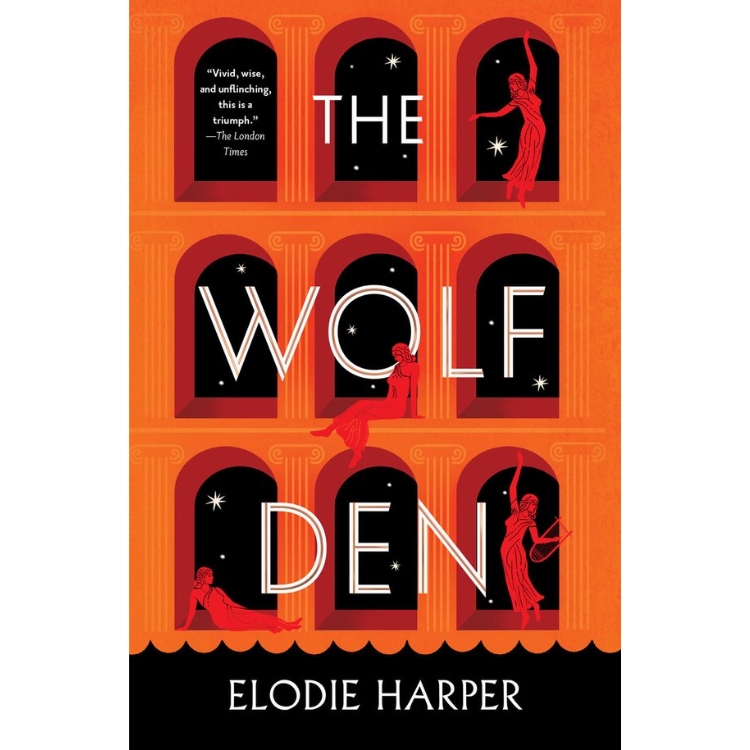
For a departure from gods and monsters into the grittier reality of the ancient world, The Wolf Den follows Amara, an enslaved woman working in a brothel in Pompeii. Sold into a life she never chose, Amara is clever and determined, and the novel traces her fight for survival and freedom in a brutal world. While it’s set in Roman Pompeii rather than the world of Greek myth, its unflinching focus on the lives of overlooked women makes it a natural next read for fans of feminist historical fiction.

Andrea Navarro, Assistant Editor
Andrea is a writer and editor with 10+ years of experience in women’s lifestyle and commerce content. She is based in Los Angeles, California, and her work appears in Vogue, Glamour, The Zoe Report, and many more.
