


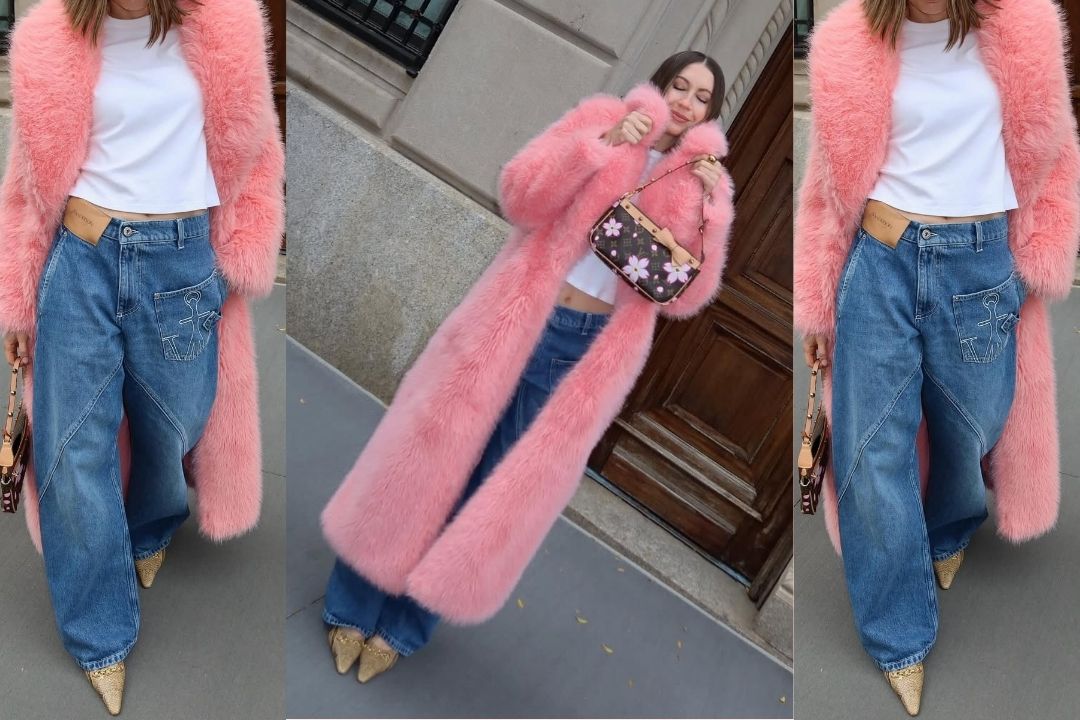
A new year has a way of triggering collective self-reflection. It’s often in the form of vows to get back on track, rein it in, and do better, especially when it comes to our finances. For those of us who work in fashion, that reckoning can feel especially loaded. Shopping and maintaining personal style isn’t just a pastime; it’s woven into the job description.
I’m proud to say I’m debt-free and intentional about keeping my expenses low, but that didn’t happen by swearing off shopping altogether. In fact, I learned the hard way that cutting myself off cold turkey only backfires. A few months of rigid restriction inevitably led to a rebound phase: impulsive purchases, rushed decisions, and a closet that felt less me than before. Ironically, I was doing more damage than if I’d simply given myself a little room to experiment.

“A few months of rigid restriction inevitably led to a rebound phase: impulsive purchases, rushed decisions, and a closet that felt less me than before. Ironically, I was doing more damage than if I’d simply given myself a little room to experiment.”
What ultimately stuck wasn’t deprivation; it was strategy. Allowing myself just enough freedom to play with my personal style without overspending became the key to staying both financially grounded and creatively fulfilled. The shift happened when I stopped thinking about personal style as something that required constant purchasing and started treating it like a practice—one built on repetition, restraint, and a few intentional choices. The result? Fewer regrets, more outfit confidence, and a closet that actually feels reflective of who I am.
Ahead, I’m sharing the strategies I rely on to maintain my personal style on a smaller budget. No dramatic shopping bans required.
1. Learning When to Say No
Saying no—whether to trends, impulse purchases, or “good enough” pieces—is one of the most powerful tools I have for protecting both my style and my budget. More often than not, when I think I need something, I really don’t. By waiting it out, the urgency fades, and I realize I never needed the item I felt so convinced about in the first place.
2. Trusting My Intuition
If something requires convincing, it usually isn’t right. Trusting my initial reaction saves me from purchases I’d later regret. And the piece that feels finicky in the dressing room—or questionable once I get it home—stays finicky. That feeling rarely improves with time.
3. Being Selective With Trends
I don’t chase every micro-trend; I choose the ones that genuinely complement my existing wardrobe. I enjoy trends, but not at the expense of my budget or my mental space. The goal is to hone in on my personal style, not everyone else’s.
4. Planning My Style Goals
I treat my wardrobe like a long-term project, not a seasonal overhaul. Planning my style goals keeps purchases intentional and aligned with how I actually live. I plan most things in my life (budget included), so it only makes sense to apply that same mindset here.
5. Renting Instead of Buying
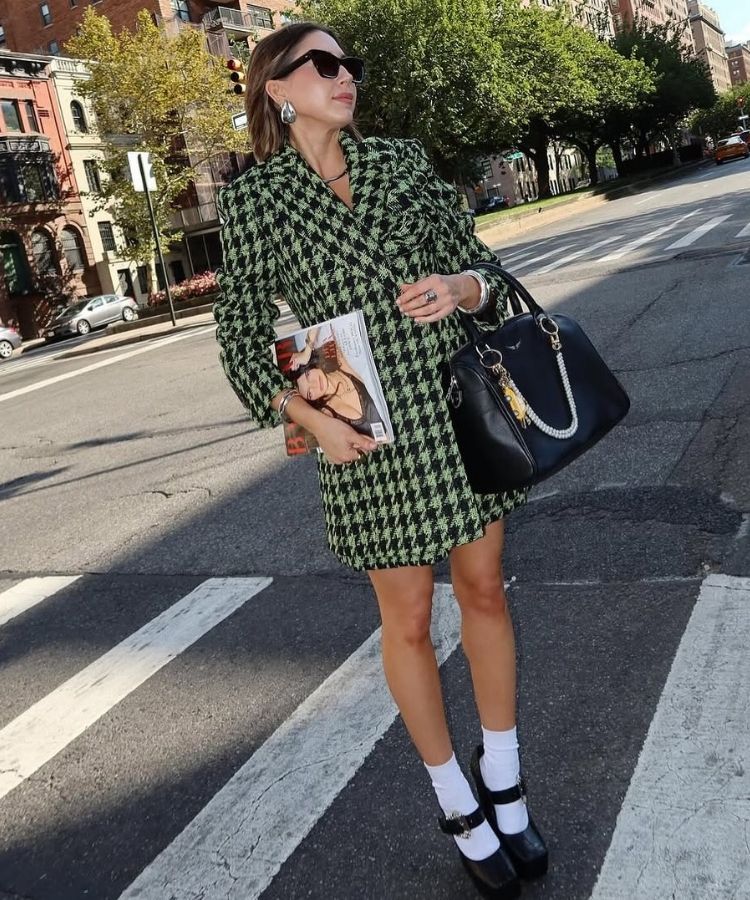
Renting allows me to experiment, indulge, and scratch the novelty itch without the long-term commitment or cost. If something truly earns a place in my wardrobe, I’ll purchase it at a steep discount. In fact, a large portion of my closet has been rented at one point or another.
6. Borrowing When It Makes Sense
Borrowing is a reminder that not every outfit moment needs to be permanent. If I have a special event—say, a wedding—and know a friend owns the perfect clutch, I borrow it instead of buying something that would sit unused on a shelf afterward.
7. Selling What I’m Not Wearing
Letting go of unworn pieces frees up both physical space and mental clarity. Plus, it often helps fund future purchases. I no longer keep items that don’t get frequent wear. If something sits untouched for more than six months, it gets the boot.
8. Avoiding Decision Fatigue
Fewer choices lead to better outfits. Simplifying my wardrobe makes getting dressed easier and more satisfying. Staring into a closet full of clothes I don’t wear is no longer the case, and I’m not weeding through ten versions of the same white button-down just to find the one worth wearing.

9. Wearing My Clothes Again and Again
Repetition isn’t a failure of creativity; it’s proof of a wardrobe that actually works. I don’t repeat outfits exactly—I rewear the same pieces in different ways, creating variety without constantly adding something new.
10. Focusing on Accessories First
Accessories do the most styling heavy lifting, allowing me to refresh outfits without rebuilding them from scratch. It’s an age-old trick I’ve relied on for years and don’t plan on abandoning anytime soon. In fact, it’s the strategy I recommend most, especially during tighter budget seasons.
11. Choosing Progress Over Perfection
Style evolution doesn’t need to be flawless to be effective. It just needs to be sustainable. If an outfit isn’t working and frustration sets in, I let it go. Not every outfit needs to be the outfit.
12. Tracking Every Purchase
Awareness is the final piece. Tracking what I buy—and why—keeps me honest about my habits. The same goes for my budget: It’s a framework that sets clear guidelines and accounts for every purchase, big or small.

Tinsley Crisp, Fashion & Beauty Staff Writer
Tinsley Crisp is a Fashion & Beauty Staff Writer at The Everygirl and specializes in reporting on the season’s latest trends and hottest products. As a New York City-based stylist, she’s committed to injecting joy into the art of getting dressed and delivering attainable yet aspirational content to our readers.
