



Much has been said about the bygone era of millennial optimism. A generation that came of age during the early days of social media, they were promised, above all, increased connection in the digital era. But now, only two decades later, here we are: trapped in a social media landscape defined by algorithms and the loneliness crisis.
One of the promises of the early internet was globalization. With the world at our fingertips in the form of pocket-sized screens, “wanderlust” became a full-on personality trait. It only seemed natural that the desire to connect online would translate to connection in real life. Now, in 2025, the term wanderlust has been rendered all but obsolete, and yet the desire to travel is more fervent and frenetic than ever. A recent report by consulting firm McKinsey dubbed Gen Z the most travel-hungry generation, and according to a YouGov survey, adults under 30 are more likely than older Americans to have a passport.
Thanks to the proliferation of budget airlines and cheap vacation rentals, travel is less of a luxury for the new generation. It’s a rite of passage. And as the saying goes: Pics or it didn’t happen.
For many who grew up with smartphones in hand, being an influencer is the new American dream. Thanks to TikTok’s algorithmic influence, social media has become a race for virality where one video, one take, one moment could change your life. It’s like playing the lottery, and everyone posting online is trying to cash in. Even those who are just observers participate in this ecosystem, deciding what is worthy with their clicks and attention. And in the attention economy, new, unique experiences win every time—so everyone is trying to create one.
The desire for newness—fueled by creators on a mission to become tastemakers—has shifted travelers’ expectations. The promise of crowd-sourced recommendations purported by social media apps has shifted into a theatrical race to get the most views rather than create meaningful connection.
This social media-fueled mindset has had a major impact on how young people think about travel. You’ve seen it: influencers vying for a spot on your FYP with dreamy clips of their latest travels and promises of unique insight into exactly what to see, eat, and do. Marketing language has seeped into the lexicon, and now every tourist is looking for the “best” spot in every destination. The desire for newness—fueled by creators on a mission to become tastemakers—has shifted travelers’ expectations. The promise of crowd-sourced recommendations purported by social media apps has shifted into a theatrical race to get the most views rather than create meaningful connection.
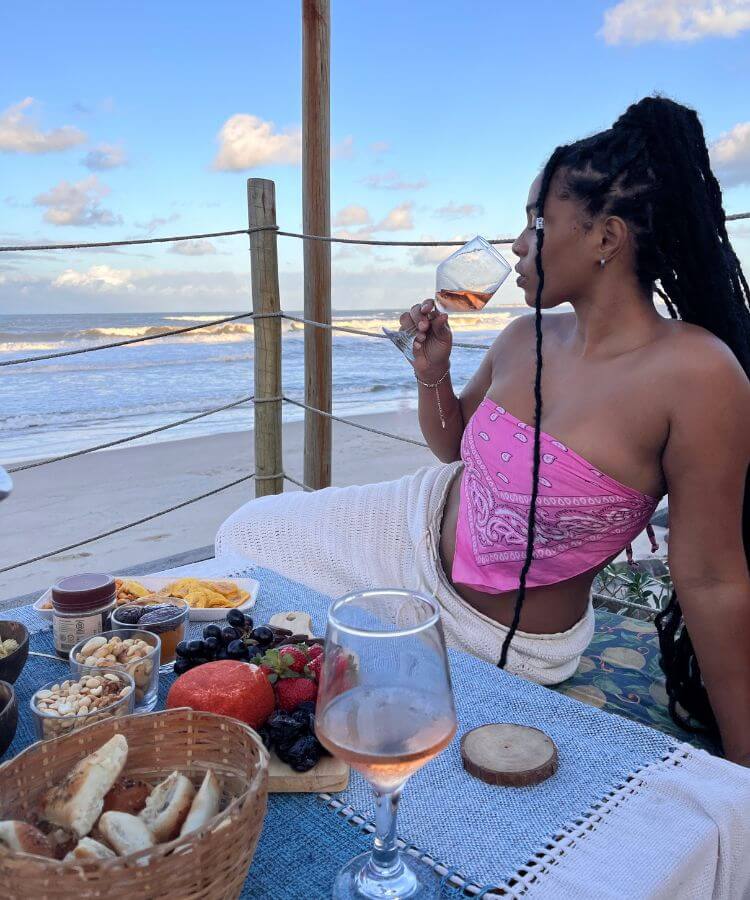
And yet, this has not put a damper on how young travelers use social media for travel. In fact, thanks to the ease of social media, 80 percent of millennials and Gen Zers say they use social platforms as a source of inspiration for travel, according to a travel trends report from American Express. And it’s not just a tool for destination inspo—social media is a key part of the planning process, too.
“Social media has become a top source of travel inspiration and research, especially for younger travelers,” said Christina Bennett, the consumer travel trends expert for Priceline. “Platforms like TikTok and Instagram aren’t just driving photo ops anymore; they’re shaping entire travel itineraries. Through hashtags, reels, and stories, travelers are discovering under-the-radar spots, local tips, and real-time reviews—all in one scroll.”
This endless stream of content has fueled a whole perspective shift on travel in general. While early social media apps like MySpace and Facebook were essentially amplified, digital versions of real social dynamics, the advent of apps like Instagram and Tumblr shifted the focus from connection to curation. Suddenly, everyone was a photographer. A far cry from the Facebook status updates of yore, your digital presence soon became a way to filter (literally) your unique point of view and share the most aspirational parts of your life.
With the internet’s focus on curation, travel has become a commodity. And like with most commodities, social media often promotes overconsumption.
Overtourism in the post-pandemic era
Since the COVID-19 pandemic, during which TikTok took off as a shiny new social media platform, younger travelers have taken to travel with an unmatched fervor. The early days of post-pandemic travel were dubbed the era of “revenge travel,” where people took trips en masse to make up for missed opportunities. Fast forward a couple more years, and that appetite for travel has yet to slow down.
“At first, it was all about making up for lost time,” Bennett said, “packing in big trips, checking off destinations, and getting as far as possible from home because you could travel again.” Coming of age during an era where “more is more” defined travel trends, Gen Z now takes nearly five trips a year on average, according to the McKinsey report.
“Social media has completely changed how we travel,” said Henley Vazquez, cofounder of the travel agency Fora Travel. “For younger travelers especially, it’s helped them discover new experiences through peers rather than traditional travel media. Now, we’re seeing travelers come in with specific wish lists inspired by what they saw on TikTok or Instagram.” And many locals are tired.
As tourists continue to flock to hot-spot destinations in increasing numbers, it’s not only local residents feeling the squeeze. Long lines and huge crowds greet travelers at every turn, a vastly different picture from the one painted on social media.
According to a survey by YouGov, many Europeans are feeling the effects of overtourism. In Spain, for example, around a third of respondents indicated that there are too many international tourists in their area, with similar responses in France and Italy. Their concerns are not unfounded: Data from the European Travel Commission shows that international arrivals to Europe last year were up over 6 percent compared to pre-pandemic levels, and 2025 is shaping up to be even busier.
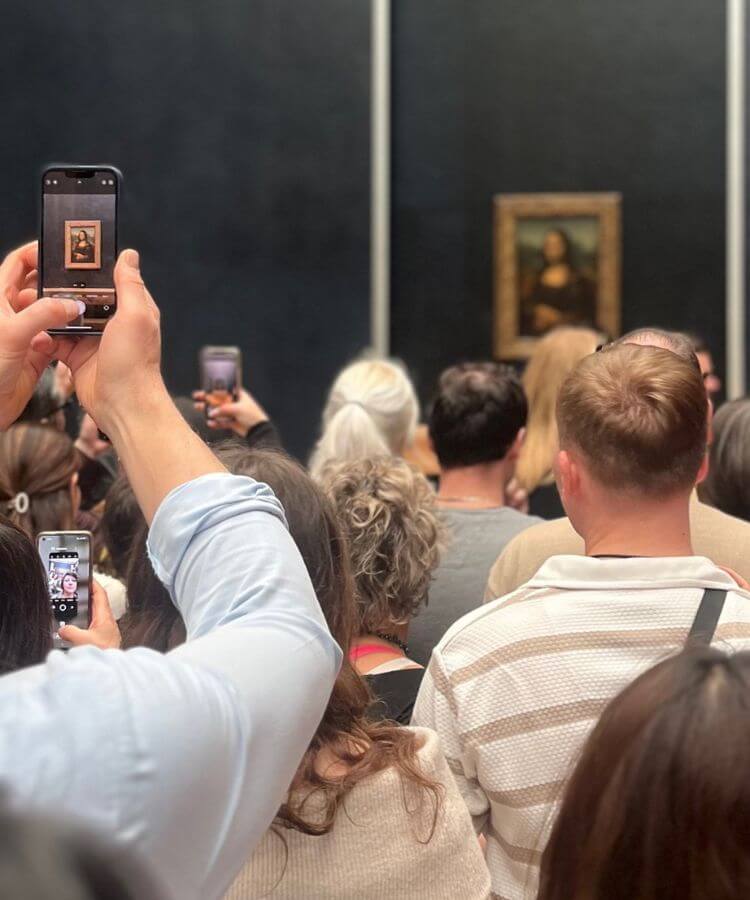
The situation is similar in other popular travel destinations around the world. Japan saw its highest number of visitor arrivals on record in 2024, and numbers for the first half of 2025 are already up 21 percent compared to the same period last year, according to stats from the Japan National Tourism Organization. Tourism data from the Mexican government shows that the country welcomed over 45 million international travelers in 2024, an increase of more than 3 million compared to the previous year.
And as tourists continue to flock to hot-spot destinations in increasing numbers, it’s not only local residents feeling the squeeze. Long lines and huge crowds greet travelers at every turn, a vastly different picture from the one painted on social media.
The “authentic travel” paradox
No one wants to feel like an out-of-place tourist bumbling around with their eyes glued to Google Maps. Younger travelers, especially, crave authentic experiences that help them feel immersed in the local culture. In the American Express survey, 73 percent of respondents said supporting local small businesses while visiting a new destination is important to them. And according to Bennett, Gen Zers are “seeking to ‘live like a local’ through simple acts like staying in local neighborhoods versus city centers, shopping at local markets, and exploring off-the-beaten-path corners.” However, travelers’ expectations of “local” experiences are often shaped by other tourists on social media.
The McKinsey report estimates that 80 percent of travelers visit just 10 percent of the world’s tourist destinations, so finding those “off the beaten path” spots might be harder than you’d think. As someone who has lived in three tourist destinations—London, New York City, and Los Angeles—I constantly see my city through the lens of tourists and would-be influencers.
Mom-and-pop restaurants and local stores still exist, but it feels like they’re being overtaken by those that explicitly cater to tourists—vacuuming the culture out of the city and replacing it with buzzy bars and curated stores built for social media virality.
Over the past few years, I’ve noticed a shift. It’s not just that local spots have become tourist hotspots, though that is happening seemingly at random. Instead, a select few spots have skyrocketed in popularity, becoming the definitive destinations for coffee, smoothies, or pizza, while other local businesses fall by the wayside. In Los Angeles, for example, Erewhon has become a tourist destination in itself. And while locals have always loved the overpriced grocery store, Los Angeles is a city known for its local grocers, farmers market stalls, and independent shops. But with Erewhon becoming the be-all, end-all, tourists often skip over smaller businesses, which suffer for it.
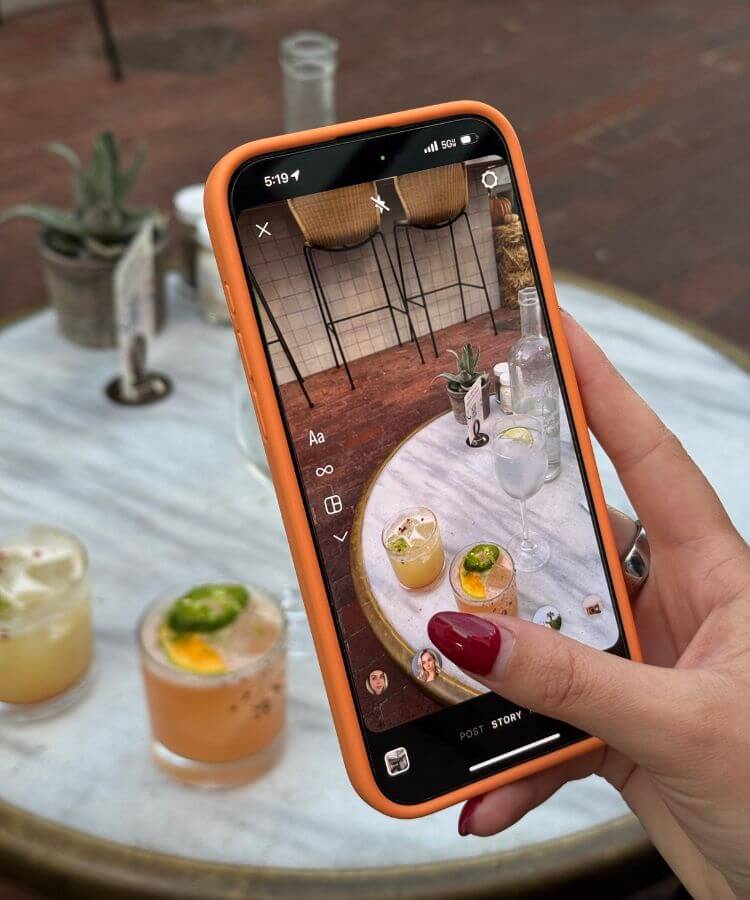
New York City, which has always been a city full of people on all ends of the financial spectrum, increasingly feels like a tourist playground built for the rich. Mom-and-pop restaurants and local stores still exist, but it feels like they’re being overtaken by those that explicitly cater to tourists—vacuuming the culture out of the city and replacing it with buzzy bars and curated stores built for social media virality.
Abroad, some cities are fighting back. In Paris, small restaurants that have gone viral on TikTok are enforcing rules against content creation. Folderol, a tiny wine and ice cream bar that’s basically standing room only, now has a sign outside that proclaims: “No TikTok.” Chez Janou, which went viral for its tableside chocolate mousse, no longer lets customers order dessert without eating dinner first. While these establishments may have once felt like hidden gems, any local feel is squashed by the gaggle of tourists who all watched the same viral videos. If you’re surrounded by a crowd of other Americans, how authentic is your experience?
Although travel may have been commodified, young travelers are still looking for authentic experiences. They just don’t know where or how to find them.
According to Vasquez, social media is helpful for inspiration but shouldn’t be your only trip-planning resource. Think of it like this: When seeking out outfit inspo on social media, you wouldn’t copy someone else’s wardrobe item for item—so don’t copy their vacation. “Social media can be great for sparking the initial idea, but this is where the advisor advantage really comes in,” Vasquez said. “We’re able to provide exclusive access and perks, suggest alternatives to overcrowded hotspots, and offer local context you won’t find in a post.”
Here’s another piece of advice for the social media-obsessed crowd (guilty!): A trip should be personal. While your algorithm might seem tailored to you, traveling shouldn’t be about what other people are doing. It should be about “meaning and connection,” according to Bennett. “That looks different for everyone,” she said. “It could be a digital detox to spend quality time with loved ones, diving into family heritage on a roots trip, or learning a new skill—be it pasta making or scuba diving.” Hone in on destinations and experiences that feel meaningful to you, not just ones you saw on your FYP.
And if you do seek out travel inspo on social media, be mindful of where those recommendations are coming from. There’s a difference between a local guide who’s lived there for years and an influencer who spent 48 hours hitting the highlights. Know that social media is almost certainly showing you only an idealized version of reality, and manage your expectations accordingly.
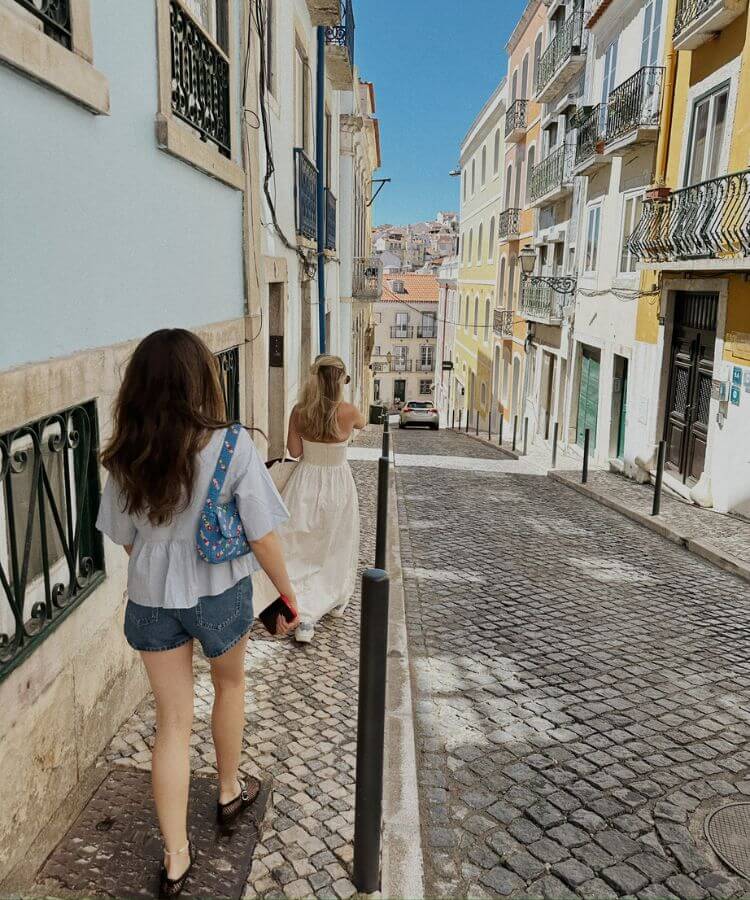
Another tip for a more authentic travel experience? Put your phone down and talk to people IRL. Research from Priceline shows that Gen Z is 74 percent more likely than the average traveler to research destinations where they can meet new people. “Whether it’s hotel bars, cruises, or even local events, they’re looking for ways to connect offline,” Bennett said.
While it might seem intimidating to meet people while traveling, it’s more accessible than it seems. Take a class inspired by the local culture, like cooking, craft making, or even dancing. Instead of exploring solo with only ChatGPT to answer your questions, book a tour with a local guide—you’ll learn the ins and outs from someone who actually lives there. And when you’re at a café or restaurant, ditch your phone and stay open to conversation—and don’t be afraid to start one yourself!
TL;DR
Social media might have fundamentally changed travel, but that doesn’t mean it’s ruined. Resisting the social media hype looks like supporting local businesses, respecting the culture, and being mindful of the space you take up. By being thoughtful about where we go and why, we can stop overconsuming travel and contributing to overtourism—while finding more meaningful experiences in more personal travel habits.
“Social media shows you what’s possible,” Vasquez said. But that’s never the full picture. “It’s about managing expectations, understanding what’s happening locally or seasonally, and visiting trending places with care and respect.”
Want more travel tips and tricks? You’ll love these:
- 8 Travel Tips That Will Make You Feel Like a Local Wherever You’re Headed
- 14 Travel Accessories For Summer That’ll Make Your Next Vacay So Much Better
- 12 Travel Hacks to Help You Survive Your Next Long Flight

Langa Chinyoka, Contributing Writer
Langa is a Los Angeles-based writer and strategist. She is currently an editor and content strategist at a marketing agency. Her work has appeared in The Paris Review, British Vogue, Highsnobiety, Eyeswoon, Camille Styles, The Good Trade, and more.

We get it: Your PTO is precious. So when you finally set that OOO message, you deserve a trip that’s unforgettable—not one that makes you feel like you need another vacation to recover. We compiled our favorite travel destinations, must-have travel gear, and sanity-saving hacks to bring you The Everygirl’s Ultimate Guide to Travel, so you can spend less time stressing and more time soaking it all in.
