


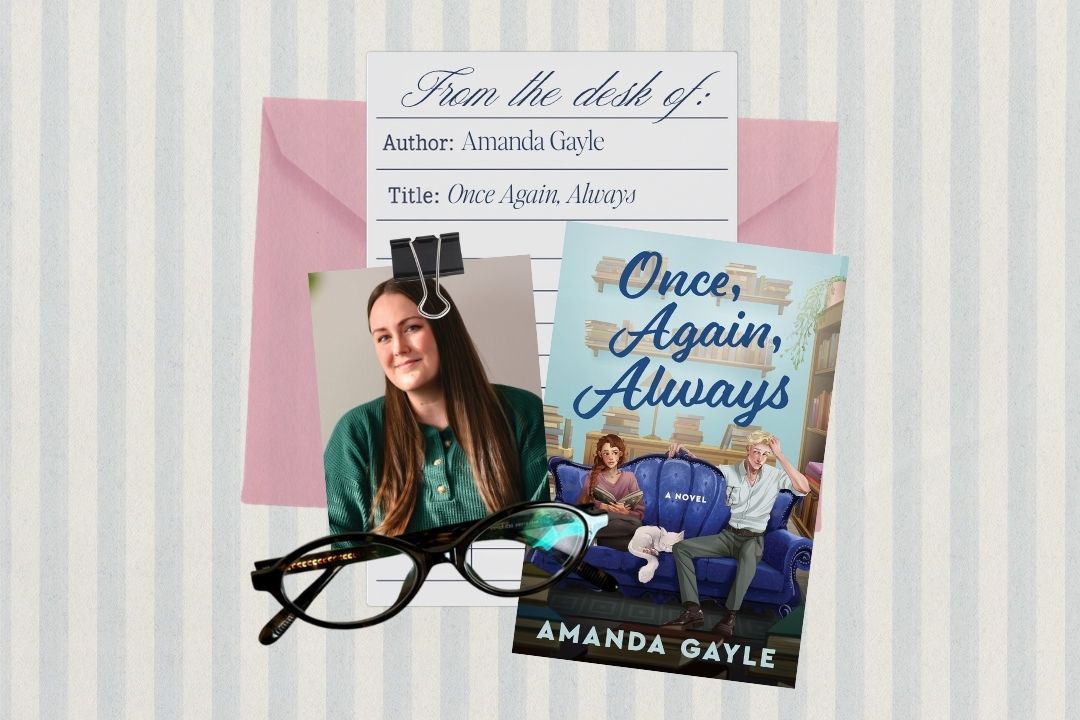
Of all the tropes in my debut contemporary romance, Once, Again, Always, it’s the reception of the found family that has surprised me the most. And not because I don’t think Molly and Aster’s found family is fabulous (I am decidedly biased on that front and love them with my whole heart), but more because I never expected to see that specific trope shouted out and complimented so frequently amidst its other romance heavy hitters like rivals-to-lovers, second chance, forced proximity, and yearning.
These are the tropes I expected to get attention; found family less so. I obviously love found family as a trope, but call me naïve, I guess, because I had no idea how strongly other readers felt about a good found family.
When I stop to think about it, of course it makes sense that a huge number of readers would find intense comfort in an endearing found family. They remind us why we’re lovable not just in the romantic sense, but platonically as well. And as a trope, found family is definitely having a bit of a moment right now, and I’ve got a few theories as to why.
It’s not an obligation; it’s a choice
With a world as big, sometimes scary, and unfortunately as unpredictable as it can be these days, there’s a lot of comfort to be found in the stability of a group of people who have chosen each other, and keep choosing each other, day after day. There’s something so inherently warm and comforting about being chosen, and that’s what the found family trope really is: evidence of having been chosen.
Literal family has an element of randomness to it; these are the people we are born related to (and with whom often come a lot of complicated feelings, weird power dynamics, and an inherent sense of obligation). But found family gives us the opportunity to choose each other regardless of how our genetics link us. It’s not an obligation; it’s a choice.
“There’s something so inherently warm and comforting about being chosen, and that’s what the found family trope really is: evidence of having been chosen.”
And ultimately, there’s romance in that, even when strictly platonic, which is part of what makes it so beloved between the pages of a romance novel. We’ve already come to the reading experience looking for romantic love; platonic love is an extra delightful icing on top.
We’re craving community
Culturally, at least in the United States, it so often feels like individualism is the ultimate goal. We take care of ourselves, we don’t ask for help unless we absolutely need it, and we expect our personal space (literal and figurative) to be respected at pretty much all times. And I think this type of day-to-day living creates a massive craving for community, for the antithesis of all that individualism.
Yes, we can take care of ourselves, but what a privilege it is to take care of each other. We could probably get by without asking for help, but what an honor it is to have people who can help if we ask. And yes, we value our personal space, but isn’t that a little lonely sometimes? How wonderful it is to have people and relationships to fill that space and texture our lives with companionship.
We love seeing characters rally around each other
As it relates to the plot of Once, Again, Always, I think there’s a certain level of relief involved in seeing a situation where a couple is facing unimaginable circumstances and their found family rallies around them. Molly has lost her memories of her entire relationship with Aster, who is quietly mourning a wife and marriage as he once knew them. When Molly doesn’t even have her own memories to anchor her in her unexpected new life, her group of friends acts as that anchor instead.
To watch a slightly chaotic, diverse group of friends show up for both Molly and Aster in their own individual and delightful ways is ultimately a kind of relief from the tragedy of their circumstances. They’re not alone; their friends are sticking with them and helping however they can, and maybe—perhaps by some sort of literary transitive property—we can believe that the same is possible for us should we ever need or want that same kind of support.
What a nice fantasy, to find comfort, community, and relief in a character as chaotic as Eli. In one as pensive as Bentley. As steadfast as Roy. As warm as Alannah. And as acerbically loyal as Justine. These characters create a family for Molly and Aster when their own biological families either can’t or won’t show up for them, and I’m honored that their personalities have struck such a chord.
If you’re on the hunt for more stories with found families that pull you in like a warm hug, never fear! I also come bearing a few personal favorites that have given me that same sense of comfort, community, and relief in my own reading experiences:
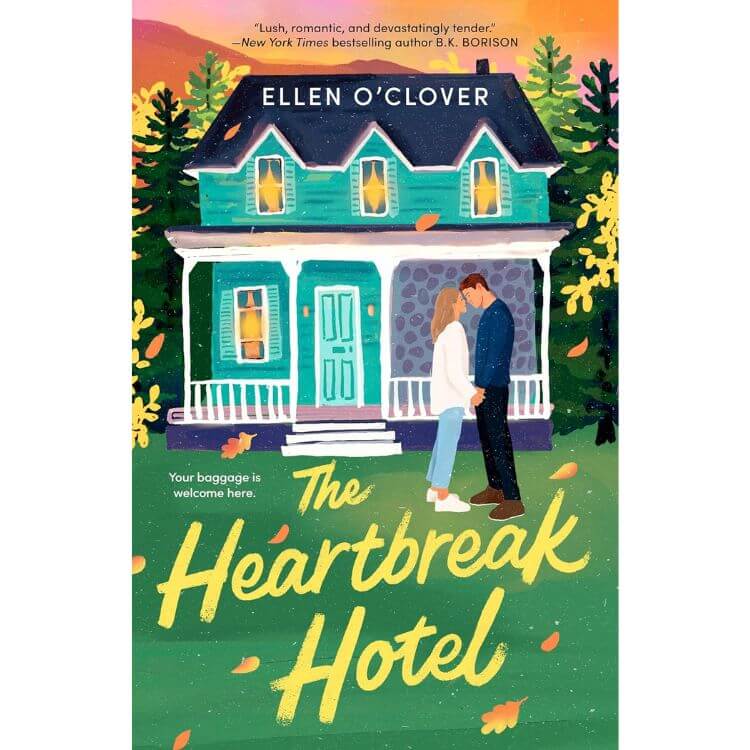
What better setting to build a found family than at a hotel designed to help people nurse their broken hearts? The guests and friends in this book build such a lovely community that felt like a warm hug amidst all the hardships they faced together.
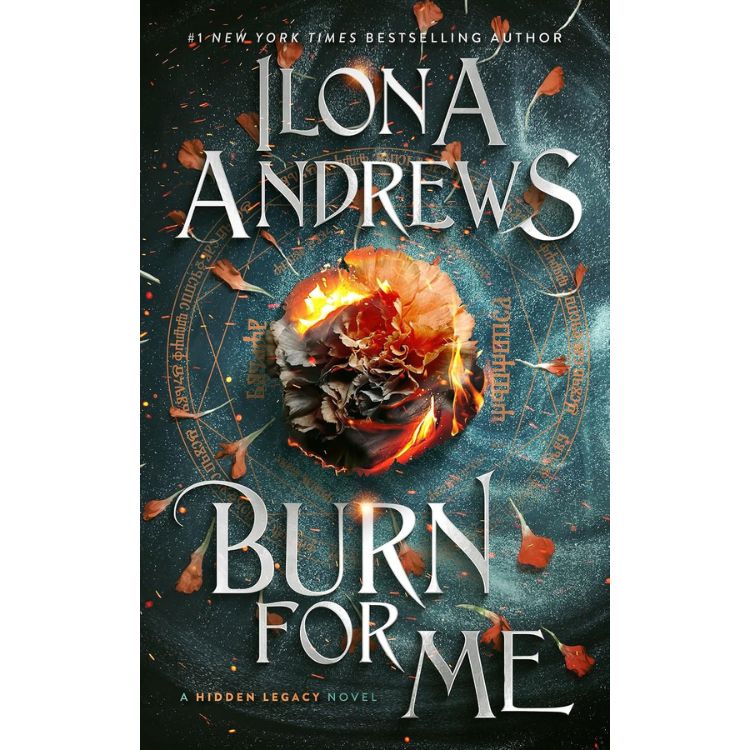
I’m such a sucker for a found family filled with all kinds of different people (and terrifying magical beasts), and the Hidden Legacy series (eight whole books! Two novellas!) builds such a fantastic and eclectic found family over the course of the series.
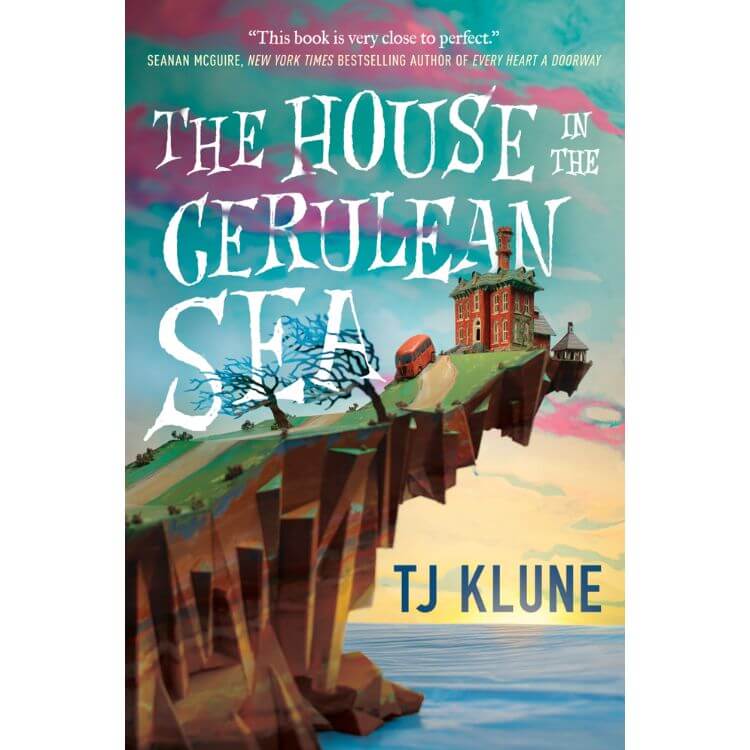
I don’t think eclectic found families get any cozier than this. This book is a phenom for a reason; the cast of characters is instantly lovable both as individuals and as a group. They are the beating heart of this magical tale.
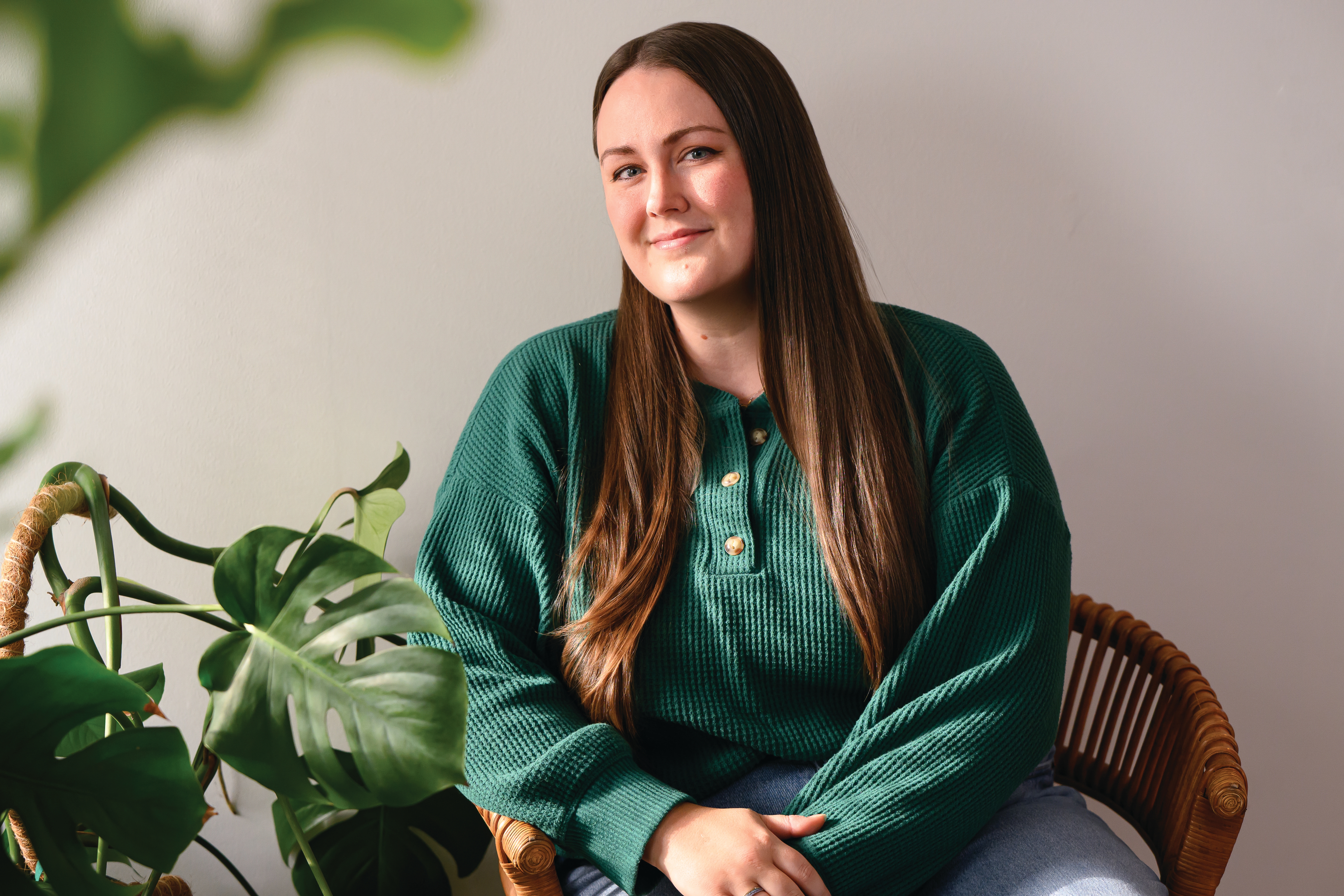
Amanda Gayle, Author
At any given time, Amanda might be writing, reading, or spying on the birds in her backyard. She spends too much time on the internet, usually obsessing over fictional characters kissing. She lives in North Carolina with her two favorite people: her husband and toddler. Once, Again, Always is her debut romance.
Photo credit: Amy Stern
Feature graphic images credited to: Amy Stern, Cassie Kollmeyer | Dupe. Products included in graphics linked within article.
