


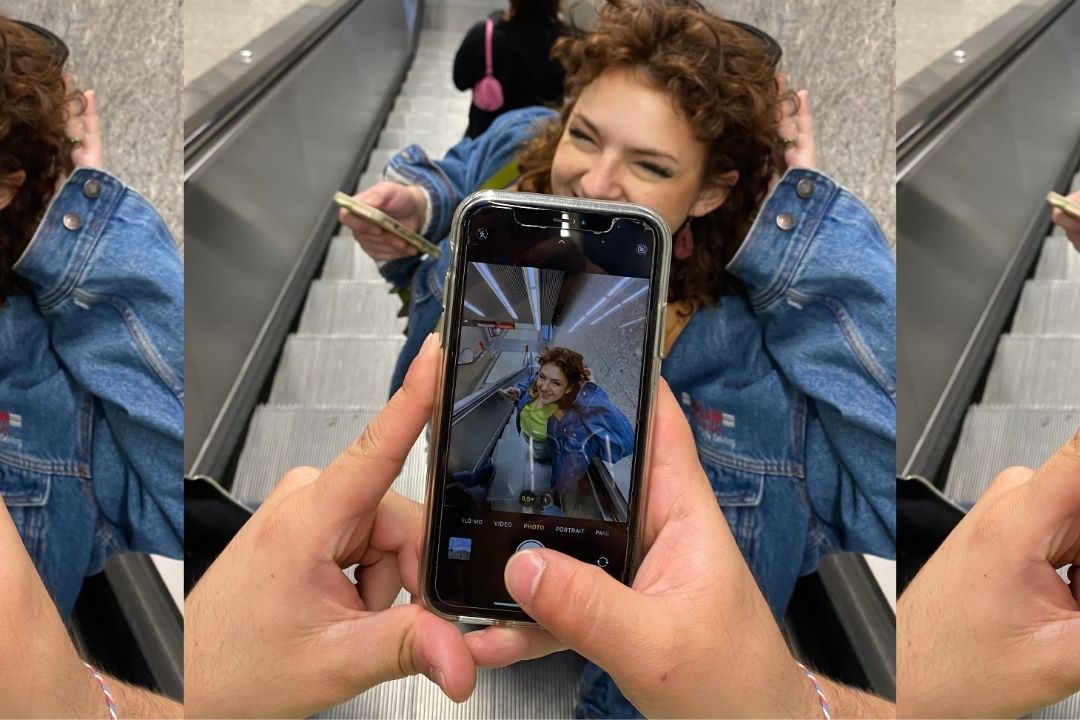
We’ve seen it all over social media: baking sourdough, tending to vegetable gardens, reading novels before bed, riding bikes on Sunday afternoons, lingering over morning coffee without reaching for a phone. At first glance, it feels almost nostalgic—a return to slower, simpler pleasures of yesteryear. Online, the phenomenon has become known as “romanticizing your life,” generating millions of views across TikTok and Instagram. But despite the aesthetic appeal of linen dresses, fresh flowers, and farmers’ market hauls, the trend runs deeper than carefully curated content.
For years, young women were sold a familiar promise: work hard now, and happiness will come later. After the promotion. After the degree. After you lose weight. After the side hustle becomes a business. After you’ve finally achieved enough. For many Gen Z women, that promise no longer feels convincing.
Raised on hustle culture, entering adulthood during COVID, navigating economic uncertainty, and spending more time online than any generation before them, many are beginning to question whether constant productivity and self-optimization are actually leading to fulfillment. The rise of sourdough, gardening, reading, and cooking isn’t random–and it isn’t for the aesthetic. Many Gen Z women are turning to smaller rituals that make everyday life feel richer. What appears to be a trend about sourdough starters and farmers’ market hauls is actually a window into something much bigger: how an entire generation is redefining fulfillment.
To understand why romanticizing everyday life has resonated so deeply with Gen Z women, I spoke with women who have embraced the movement themselves and dug into the cultural forces driving it. Here’s what I found.
They’re Tired of Measuring Their Worth Through Productivity
Much of Gen Z came of age during an era obsessed with optimization. Productivity hacks, morning routines, wellness tracking, and entrepreneurial side hustles became cultural currency. Social media fed a constant stream of messages encouraging young people to maximize every hour of the day.
For Daria Ershova, a 24-year-old PR and brand communications freelancer, the shift toward slower living came after years of pushing herself relentlessly. “I have been on the go my whole life,” she says. Between competitive sports, extracurricular activities, and moving countries twice before age 23, she became accustomed to constantly doing and achieving. Eventually, anxiety and panic attacks forced her to reconsider that pace. “I think romanticizing everyday life is not only a rebellion against grind culture but also about finding balance and carving out a piece of time for yourself and your interests,” she says.
For Nicole Langdon, 29, co-founder of The Candid Cooks blog, the realization came after entering the workforce during the uncertainty of the pandemic. After pursuing the traditional path of college and corporate jobs, she found herself increasingly burned out. “I didn’t want to only live on the weekends,” she says. “I realized that I was allowed to slow down, redefine what my career looked like, and start living every day of the week, not just on the weekends.” What emerges from both stories is a common theme: slowing down isn’t laziness. It’s an intentional rejection of a culture that often equates worth with productivity.
“Romanticizing everyday life is not only a rebellion against grind culture, but also about finding balance and carving out a piece of time for yourself.”
They Want Hobbies That Don’t Require a Screen
Many of the activities associated with romanticizing everyday life share one thing in common: they require people to put down their phones. “We are completely surrounded by technology, always in front of people, always performing,” explained Ershova. “Old-fashioned activities are for you and you only.” Langdon agreed, noting that many people her age are increasingly aware of technology’s effect on mental health. “Getting sucked into our phones and doom-scrolling doesn’t feel good,” she said. “But working with our hands in the kitchen, getting outside, reading a book—these are all things that feed our souls and make us feel alive.”
This desire for tactile, offline experiences helps explain why seemingly “old-fashioned” hobbies are seeing renewed popularity among young women. They offer something increasingly rare: moments that don’t need to be documented. That desire to disconnect has become so strong that it’s even spawned products like Brick, which physically blocks access to distracting apps until users tap their phones against the device again.
Read: 20 Analog Summer Activities That’ll Make You Forget Your Phone Exists
They Know Turning Routine Into Ritual Improves Happiness
Critics often dismiss romanticizing everyday life as performative, a social media aesthetic built around curated morning routines and expensive candles. But both women argue that this interpretation misses the point. “I realized that it’s not about the aesthetics,” Langdon said. “It’s about living in the moment and being fully present in everything you do.”
For Ershova, romanticizing life often means transforming mundane moments into intentional rituals. She takes her coffee on the balcony without her phone. She washes her face slowly, treating the experience like a spa facial. She pauses for meditation during the workday. These rituals don’t change the realities of everyday life. They change how people experience them. And yes, these moments are also beautiful because when you slow down enough to notice the world around you, you begin to see just how much magic and serenity already exist in everyday life.
“These rituals don’t change the realities of everyday life; they change how people experience them.”

They’re Turning Obligations Into Acts of Joy
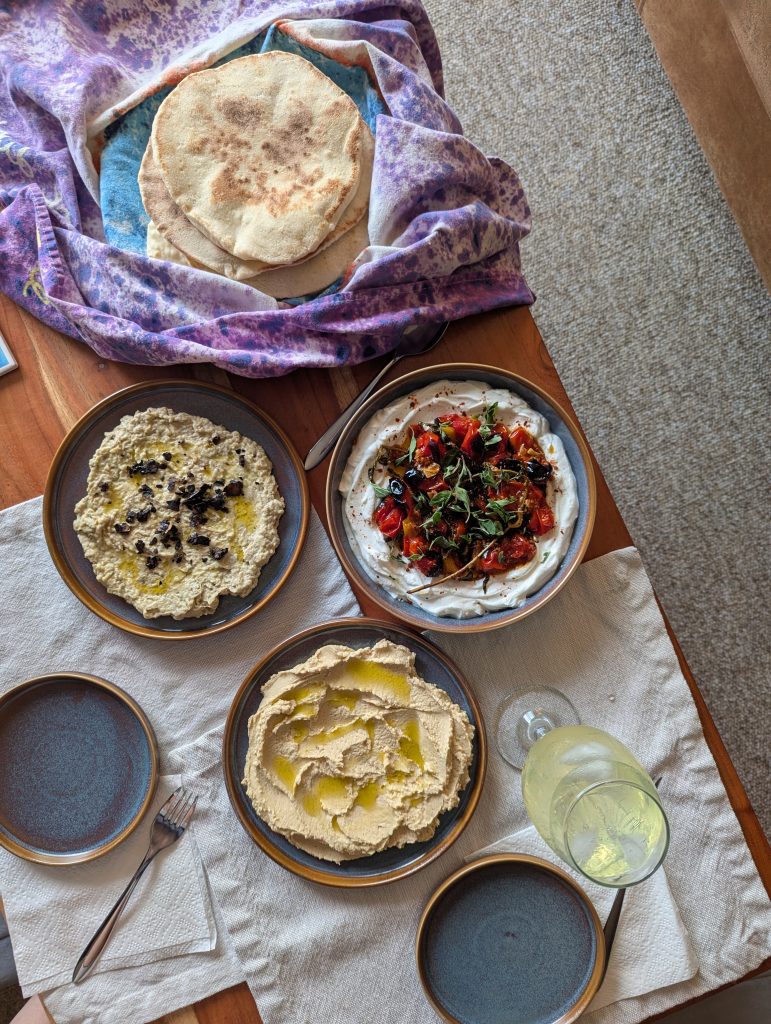
There is another layer to the trend that often goes unmentioned. Historically, many activities now associated with romanticizing everyday life—cooking, homemaking, gardening, crafting—were obligations rather than choices for women. Today, many young women are reclaiming those activities on their own terms. For many Gen Z women, they’re becoming expressions of creativity, self-care, and personal fulfillment. “After centuries of women always living for others and carrying the weight of everything, we finally get a chance to slow down, to find ourselves, to find joy in cooking or gardening simply because we want to,” Ershova said.
Langdon’s food blog is filled with recipes for everything from summer cookouts to leisurely brunches at home—meals that could easily be approached as another item on a to-do list, but are instead treated with intention and care. When cooking becomes something you choose to do, rather than something you have to do, the experience changes. And when those meals are shared with partners, friends, or family, the act itself becomes a form of community and connection, rather than oppression and obligation. Romanticizing cooking dinner or gardening means doing it for your own enjoyment–an empowered reclaiming of chores that were historically done by women for the sake of other people’s enjoyment.
TL;DR
If the 2010s were defined by hustle culture and the pursuit of more, the late 2020s may be defined by a search for “enough.” What looks like an aesthetic trend is, in many ways, a cultural correction—a generation choosing to find meaning in ordinary moments rather than constantly chasing the next milestone. These rituals don’t change the realities of everyday life, but they do change how people experience them. And perhaps that’s the real appeal of romanticizing your life: not pretending ordinary moments are extraordinary, but realizing they mattered all along.
Listen: Your Glow-Up Guide to Romanticizing Your Life

Angelika Pokovba,Contributing Writer
Angelika is an avid traveler and wellness enthusiast from New York City who lives in Tulum, Mexico, and speaks six languages. From curating curiosities to delving into cosmologies, she finds inspiration in the world’s little-known wonders.
