


There’s a certain kind of traveler who arrives in a new city with a color-coded spreadsheet, a list of carefully chosen restaurants, and a fifteen-minute buffer between every activity. I used to be that traveler. I also used to spend half my trips feeling behind schedule, eating at backup restaurants because my first choice had an hour-long wait, and returning home way more exhausted than when I left.
On paper, creating a detailed travel itinerary felt productive. In reality, it meant rushing through meals, never quite having enough time to get ready, and coming home feeling like I needed another vacation. After nearly a decade of being a travel journalist, I’ve learned that the trips I enjoy most (and the ones I actually remember) follow a much simpler formula. Instead of planning every hour, I build what I call an “anti-packed itinerary.” Ahead, I break down the exact formula I use to plan a travel itinerary, along with my best recommendations for how to find activities and restaurants to fill your time.

My travel itinerary formula
The idea is pretty straightforward: Choose one to two “anchor” activities per day, leave plenty of buffer time, and let the rest unfold naturally. It might sound too simple, but it has completely changed how I travel.
First things first, an anchor is any experience that requires planning ahead of time, like a restaurant reservation, a timed museum entry, a guided tour, or a day trip that requires a car rental. It’s something with a fixed time or limited availability. Everything else (think a walk through a neighborhood, stumbling into a coffee shop, or browsing a market) is up to chance.
That said, the golden rule is to plan for no more than two anchors per day. When you cap yourself at two anchors, a few things happen. First, you stop treating your trip like a to-do list (which I was guilty of). That gives you more time for detours that could end up being the best part of your experience. Secondly, you give yourself permission to actually be in the moment. You can order dessert to cap off a leisurely dinner, linger in a piazza for an hour, follow a side street just because it looks interesting, or pop into shops all day long.
A typical day using my travel itinerary formula
- Morning anchor: A reservation at a hard-to-get-into brunch spot or a timed entry to a museum before the crowds hit
- Midday buffer: Unplanned time to walk, wander, and see what catches your eye
- Evening anchor: A must-have dinner reservation, a sunset hike outside of town, or a show at a jazz club that everyone talks about
The rest fills itself in and can sometimes be more memorable than anything you could have pre-scheduled.
How to adapt the formula based on trip length
Weekend getaway (2-3 days)
With a short trip, the temptation to overplan is strong because it feels like every hour needs to count. My advice? Resist that urge. Two anchors per day still equals four to six planned moments across the weekend, which is more than enough. Prioritize the one or two things that would genuinely feel like a missed opportunity, book those, and leave everything else open.
One practical tip for weekend trips: Plan your heavy anchor on day one when your energy is highest. Save the slower experiences (a long lunch, a neighborhood walk) for day two, when you’ve already got your bearings.
Week-long vacation (5-7 days)
A longer trip gives you room to build in a rest day, AKA one day with zero anchors and nothing booked. I put mine around day four, right when trip fatigue usually sets in. And trust me, a rest day isn’t wasted time; it’s the thing that makes the back half of your trip actually enjoyable. Sleep in, lounge at the spa for too long, read a book at a café, or just stroll around. Your body will thank you for the slower pace.
For week-long trips, I usually try to group anchors by neighborhood or area. If a museum and a dinner reservation are both on the same side of the city, I’ll plan them on the same day to avoid crisscrossing town constantly.
How to find itinerary recommendations that are actually worth your time
If I’m being honest, finding recs that are worth it takes a bit of time. The top Google results for “best restaurants in [whatever city]” are made for clicks, not quality. The viral spot on your FYP has already been discovered by hundreds of other people, and the experience has probably changed as a result. That doesn’t mean viral places are automatically bad, but it does mean you need a better approach to research.
Get more specific
Go local and specific, not general and popular. Instead of searching “best coffee in Lisbon,” I search for the neighborhood I’m staying in: “best coffee in Mouraria, Lisbon” or “Mouraria neighborhood guide.” This will give you more detailed guides, sometimes even from locals themselves.
Don’t just check TikTok
Yes, TikTok does have some cool recs, but there are also other places to find great spots. Substack has become one of my favorite sources for this—food writers and city-specific culture newsletters tend to be the most honest (and least sponsored) voices you’ll find. Reddit rabbit holes also rarely disappoint.
Use Google Maps as a research tool, not just for navigation
Pro tip: Filter reviews by “most recent” rather than “most relevant,” and read the one-star reviews alongside the five-stars. Look at photos uploaded by customers, not the business. Pay attention to who is leaving reviews—a restaurant with lots of reviews from locals who live nearby is a different signal than one with lots of reviews from tourists.
Find out where locals go
This takes a little more digging, but it’s worth it. Sites like Yelp and TripAdvisor tend to surface tourist-facing places; neighborhood-specific Instagram accounts and reviews from Google Maps local guides often show a different layer. If you’re staying somewhere with a neighborhood feel, just ask your Airbnb host or the person at your hotel’s front desk—not “what’s the best restaurant in the city?” but “where do you go for a weeknight dinner?”
Let your anchors guide you
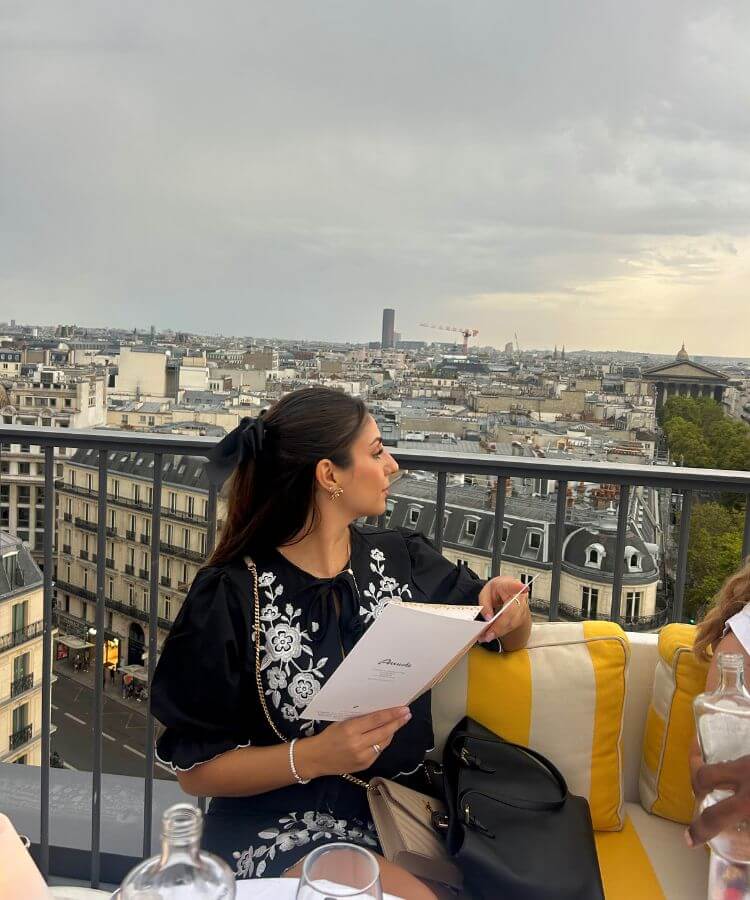
Once I’ve booked a reservation somewhere exciting, I always research the surrounding block. What neighborhood is it in? What else is nearby? What’s worth walking to? On a trip to Paris, for example, I booked an afternoon coffee at Café de Flore. When I arrived, the neighborhood turned out to be even better than expected. I ended up wandering into Brasserie Lipp for dinner, and it became one of my favorite days of the entire trip. One anchor opened up an entire pocket of the city I wouldn’t have otherwise explored.
My top travel itinerary planning tips
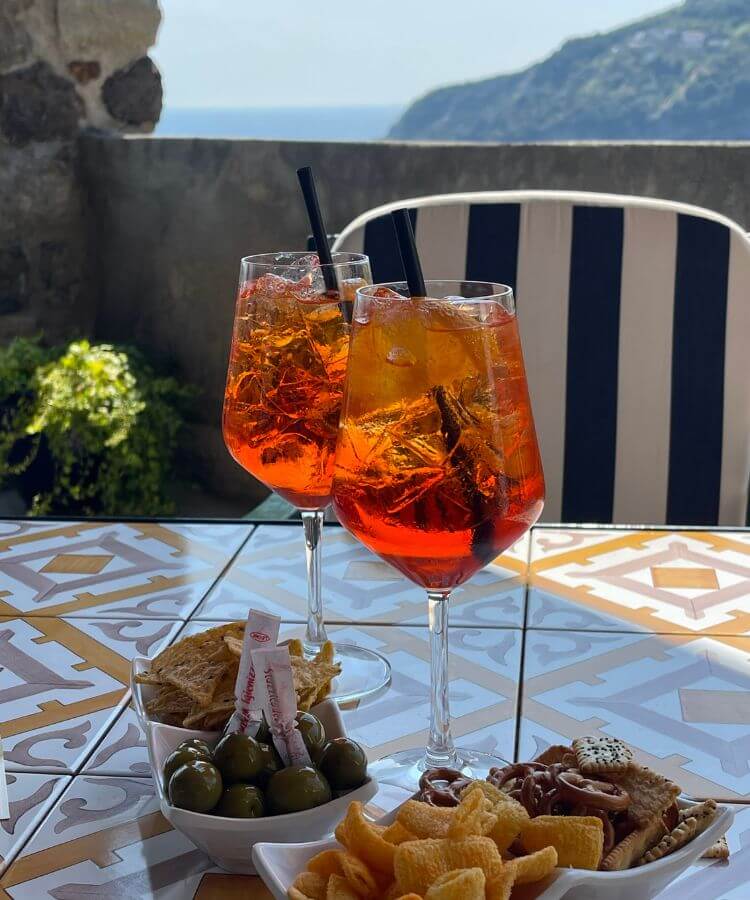
If there’s one thing I’ve learned, it’s this: Buffer time isn’t wasted time. It’s where the best parts of travel tend to happen, like the aperitivo you didn’t plan for, the shop you wandered into, the cute park you ended up staying in longer than expected.
Even with a flexible plan, some days won’t go perfectly. The coffee might disappoint, the museum might be crowded, and the weather might not cooperate, but when you haven’t overbooked yourself, a rough morning doesn’t derail the entire day. There’s room to change things up.
At the end of the day, the goal of a travel itinerary isn’t to see, do, and taste everything. While I do love making the most of every minute, I’ve found that by slowing down and planning less, my trips have ended up feeling way fuller.

Lauren Harano, Contributing Beauty & Lifestyle Writer
Lauren Harano is a Southern California native turned New Yorker with a passion for all things beauty, travel, and lifestyle. She has over seven years of experience in the journalism industry, and her work can be found in between the pages of Cosmopolitan and Seventeen as well as online at Glamour, InStyle, Teen Vogue, Esquire, POPSUGAR, and various food and travel sites.
