


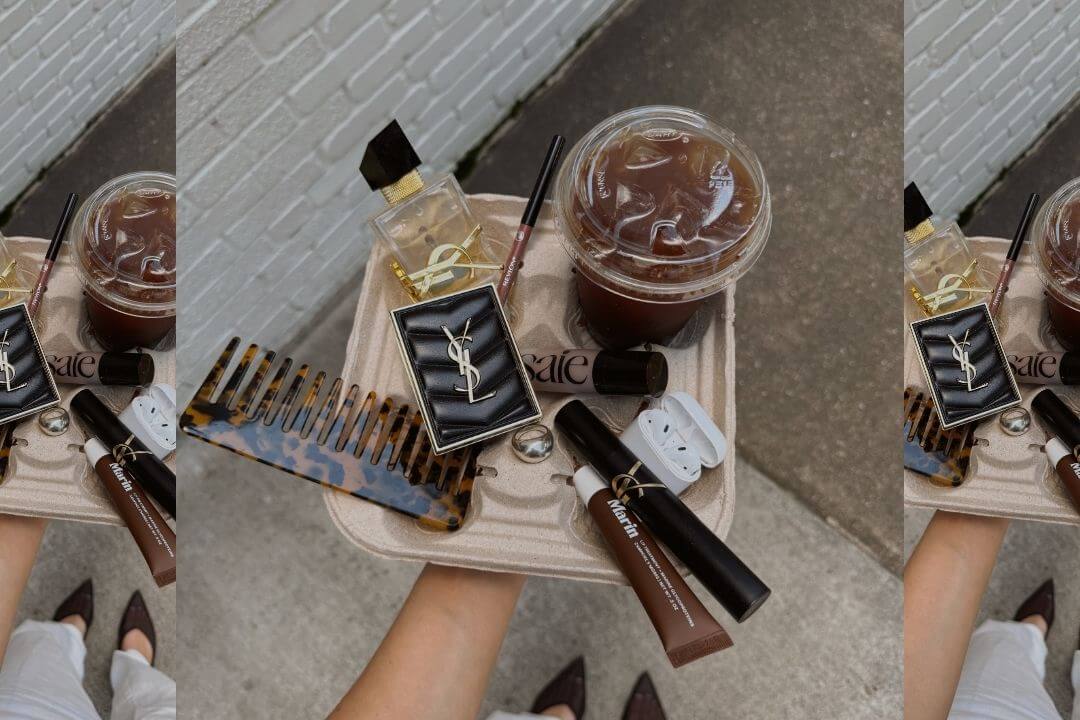
I’m not ashamed to admit I’m somewhat of a shopaholic. Even growing up, I think I related to Rebecca Bloomwood in Confessions of a Shopaholic a little too much. Now in my late 20s, I’ve turned my passion for shopping into a full-time job as a commerce editor for a major online publication. But honestly? The mere thought of seasonal clothing hauls, routine beauty treatments, and weekly restaurant dates takes a toll mentally and financially.
I know I’m not alone, either. We’re all surrounded by constant temptations to spend money, and even as someone who is a part of the problem (I literally write stories encouraging people to shop), I’m exhausted. At a time when it’s more important than ever to double down on our finances, I’ve started thinking about ways to “deinfluence” myself from all the shopping temptations I see on social media. And while I’ll be the first to say that it’s not always easy, learning to deinfluence myself has saved me hundreds of dollars and made me smarter about my finances along the way. In case you’ve found yourself in a season of reckless spending or you’re just trying to step away from temptations, I’m breaking down six realistic ways you can deinfluence yourself.
1. Separate experiences from routines
Think about the activities that make up the majority of your week, and ask yourself, “What is the impact of these things on my finances?” When I asked myself this very question, I started to realize that almost all of my weekly outings revolve around spending money on food. Don’t get me wrong, I love a restaurant experience. But I’ve normalized eating out at restaurants with friends, so much so that it now feels routine. Instead of saying “yes” to yet another brunch, happy hour, or restaurant outing, I started to think about other ways to enjoy time with loved ones that don’t revolve around dropping cash.
A good way to think about this is to organize your outings based on experiences instead of routines. Experiences like baseball games, cooking classes, exploring your city’s local gems (like museums, zoos, and historic districts), or weekend getaways to the lake or mountains are life-fulfilling activities that are worthy of your hard-earned money. Whereas routines, like eating out or browsing Target for the fifth time in a month, are temptations vying for your attention. By categorizing activities into what’s an experience and what’s a routine, you’ll get pickier about how you spend your money, and your finances will thank you for it.
2. Look for outfit inspiration with pieces you already own
While I’m in support of a good-for-the-soul shopping spree every now and then, social media has normalized dropping hundreds of dollars on new clothing each season. Over-consumption is at its highest, and we have to get real about the fact that while monthly clothing hauls have become normalized, they’re not normal, like at all.
Instead of letting a new season or upcoming trip influence me to buy new clothes, I’ve started learning how to style my current wardrobe by curating outfit inspiration on Pinterest. By searching for looks based on what I already own—like how to style a satin midi skirt or different ways to wear an exercise dress—I’m able to recreate new outfits on repeat without spending a dime. It’s like shopping… without spending a dime.
“Over-consumption is at its highest, and we have to get real about the fact that while monthly clothing hauls have become normalized, they’re not normal, like at all.”
Looking for outfit inspiration with pieces you already own might even show you how little details can have a huge impact, quickly turning just one outfit into four with the simple addition of a shoe, jacket, handbag, or belt. Take an exercise dress, for example. Even if you own just one, all it takes is one tweak to look completely brand new. Think: a colorful, lightweight cardigan over the shoulders for date night, a jean jacket for farmers market runs, and a hoodie for cozy evenings.
READ: I’m Not Buying Any New Clothes for Summer—8 Pinterest Outfits I’m Styling Instead
3. Explore what’s old before buying brand new
Resisting the urge to shop can be hard. But deinfluencing isn’t about quitting shopping altogether—it’s about thinking differently about how and why you spend money. A realistic way to put this into action is by exploring what’s old or used before buying brand new. Instead of rushing to Amazon to purchase that clever piece of furniture you saw on social media, consider exploring the Facebook marketplace or an antique shop. Not only will you think twice about whether the purchase is necessary, but you’ll probably end up with something of higher quality.
It’s way too easy to see something new in someone’s home (whether online or IRL) and hit “Add to Cart” without first considering, “What purpose is this serving?” The same goes for clothes shopping. Instead of days spent at the mall, opt for afternoons exploring a thrift shop. You may end up curating something beautiful at a fraction of the cost compared to buying something new.
READ: I Always Find the Best Stuff at Estate Sales—Here Are All My Shopping Secrets
4. Use up what you already own before buying new
Social media has normalized the desire to constantly buy new items, and before you know it, there are five half-used bottles of moisturizer piling up in your bathroom cabinet. Whether it’s beauty items, cleaning products, or heck, even food and ingredients, try using up what you already own before buying new. Set a boundary and tell yourself, if it’s not empty, it’s not time to restock. Once something is truly gone, you may just realize you didn’t really care for the product and don’t deem it worthy to spend money on again. By setting this boundary, you’ll monitor your product consumption and save valuable money along the way. No one needs three bottles of different body wash scents or five tubs of lotion. This is merely a sign of being easily influenced, and your bank account could use a break.
5. Reassess your relationship with your beauty treatments
There was a time when facials, waxes, and manicures were treated as luxury services. Maybe you got a facial twice per year or reserved manicures for special events like vacations or weddings. Now, it feels like beauty services are treated like subscriptions, almost like monthly maintenance to our appearance. But here’s the thing—we’ve normalized the frequency at which we receive these treatments, and instead of feeling like little luxuries, they feel mundane—and they’re draining our wallets in the process.
“Deinfluencing isn’t about quitting shopping altogether—it’s about thinking differently about how and why you spend money.”
Whether you get monthly services or not, I encourage you to ask yourself which beauty treatments are absolutely necessary to receive on a routine basis and where you can cut back. I wholeheartedly believe in taking time every several weeks to unwind and relax, but if you’re feeling bogged down by the price or frequency at which you get these treatments, consider spacing out your nail appointments or reserving facials for a little luxury you treat yourself to once per quarter.
For example, as someone with a bad habit of picking their nails, I’ve made the decision to get routine manicures because it keeps me from anxiously picking at my hands. (If they look nice, I treat them better, and it makes all the difference in my opinion.) However, instead of going to the nail salon every two weeks, I go once per month, sometimes even every six weeks, which ends up saving me hundreds.
READ: Appointments Are Expensive—Here Are 5 Beauty Treatments You Can Do at Home
6. Consider the value of an activity before committing to it
Perhaps one of the worst feelings in the world is FOMO. Spending time with loved ones is priceless, but what’s also priceless is setting boundaries with your finances. Unfortunately, this sometimes means getting picky about what you say yes to. With seemingly endless invitations to weekly happy hours and friend dates, it’s important to ask yourself, “How is this adding value to my life?” instead of wholeheartedly agreeing to every activity.
If that weekly volleyball league your friends are asking you to join costs $100 per month and makes you cringe at the thought of it, take a step back and prioritize your financial health. The same goes for everyday purchases. That new beauty serum you’re seeing everyone use in their GRWM videos may feel enticing, but by asking yourself what it’s worth to you specifically, you might realize it’s not worth the $40 at all.
You can’t put a price on peace of mind when it comes to your schedule and finances. Instead of thinking about your life in terms of what you can and can’t afford, think about what is and isn’t worth your time. You control how your calendar is organized, and declining an invite is sometimes the most powerful step in paving the way for a rich and fulfilling life.

Madi Koetting, Contributing Beauty & Lifestyle Writer
Madi is a Denver-based freelance writer with a bachelor’s degree in magazine journalism from Drake University. She’s currently a Commerce Editor for Us Weekly where she covers all things shopping from celeb-loved beauty and fashion products to the best home and kitchen wares. Beyond The Everygirl, Madi’s work has appeared in Stylecaster, Taste of Home, Reader’s Digest, and Better Homes & Gardens.
