

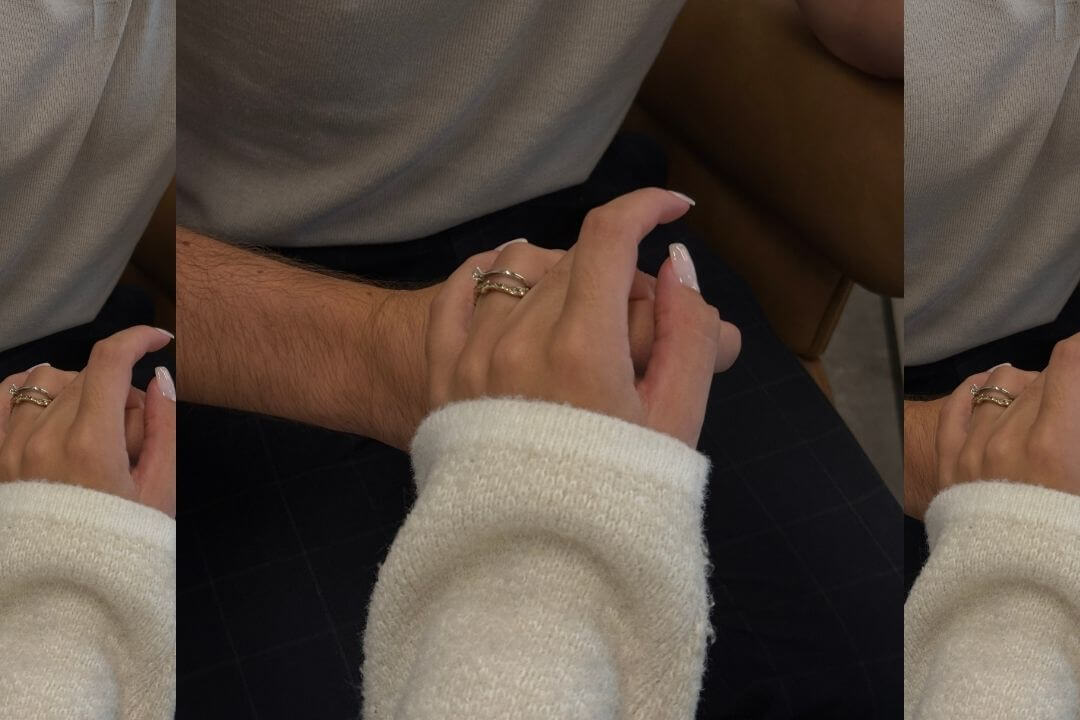
If you’ve been on TikTok or a dating app lately, you might have noticed that singles are looking for partners who have “chalance.” While it has not yet hit the pages of the dictionary just yet, chalance has been unofficially defined as the opposite of non-chalance. People who date with chalance freely express their interest, are emotionally available, and put in a genuine effort, as opposed to those who “play it cool.” This is marking a massive shift in how singles are approaching the early stages of romance and quickly becoming the definitive energy of 2026.
According to a 2025 report by Hinge, there was a 217% increase in search interest for the word “chalant” at the end of the year. For those of us who have spent years over-analyzing the precise minute to reply to a text or performing the mental gymnastics required to appear “chill,” the rise of this movement feels like a collective exhale. I, for one, am thrilled about this development. Keep reading to learn more about chalance, including why it’s resonating, if it’s ever a bad thing, and how to know whether or not a partner has it.
What is “chalance”?
Chalance (or the act of being chalant) is the antonym of nonchalance. It means allowing yourself to be unabashedly and enthusiastically all-in on someone. You know, to actually care. We aren’t playing it cool anymore. Chalance has become a shorthand for people who want to make it abundantly clear they’re looking for serious commitment and genuine effort in dating.
READ: These 3 Zodiac Signs Are Most Likely to Avoid Commitment
Nonchalant means acting like you don’t care, but a chalant dater puts effort before their ego. According to Psychology Today’s Dr. Bruce Y. Lee, dating with chalance means you “freely express your interest in the other person” and show real excitement about making things work. Chalance is the difference between staring at your phone waiting for them to text first, and just sending the damn message because you want to talk to them.
A chalant partner replies to texts quickly, remembers your favorite restaurants (and books tables there), and makes your favorite soup when you’re sick. Hence why you’ll see tons of call-outs for “someone who’ll chalant me down” across TikTok and dating apps.
Why is chalance trending?
We’ve hit a collective breaking point with the “low-stakes” and “low-effort” lifestyle. For years, the gold standard of dating was the situationship—this gray area where we prioritized playing it cool over getting what we actually wanted. We’ve been conditioned, through media and culture, to believe that the person who cares the least holds all the power. Because of this, we’ve spent so much time trying to avoid being cringe or “too much” that we’ve accidentally made ourselves unavailable to connection and true intimacy.
According to Hinge Love and Connection Expert Moe Ari Brown, we are seeing a massive cultural shift toward emotional fluency. Singles are no longer seeking validation—they’re searching for connection. In fact, research from Hinge shows that 84% of daters agree it’s impressive when someone takes the time to plan a thoughtful date rather than an expensive one. Many daters (especially women who date men) find the actual act of putting in effort to be a love language of its own.
READ: PSA: 5 New Love Languages Just Dropped
Are there risks to being chalant?
The real hurdle to being chalant is overcoming the deeply visceral fear that showing your hand will lead to rejection. It’s the vulnerability hangover, as researcher Dr. Brené Brown puts it, which is essentially a feeling of shame and fear after taking an emotional risk, such as opening up to someone you care about. Here’s the thing, though: According to another Hinge report, our internal shame is almost entirely misplaced. While 52 percent of daters have felt embarrassed after being vulnerable, only 19 percent of people say they actually felt uncomfortable when their date opened up to them. In other words, the “overshare” you’ve been replaying in your head for three days? They probably found it refreshing.
“We’ve spent so much time trying to avoid being ‘too much’ that we’ve accidentally made ourselves unavailable to connection and true intimacy… [but] the truth is that if someone thinks you’re too much, they aren’t the one for you.”
But if you’re involved with someone deeply nonchalant (or someone who isn’t as attentive, communicative, or otherwise chalant as you’d like), the best thing you can do is be open about your own desire. The truth is, it’s super common to feel like you’re being “too much” or coming on too strong when you’re honest about your feelings. (I fight this fear all the time!) The truth is that if someone thinks you’re too much, they aren’t the one for you. It’s better to know from the start if you’re dealing with someone who can’t match your vulnerability and energy than be blindsided later down the line.
How to know if someone has chalance
Identifying chalance in a partner is about looking for genuine effort. Brown goes on to explain that “chalancing somebody” could simply mean planning an activity date, listening to what they value, and showing effort in every direction. It’s about creating “a unique, authentic dating experience”. Here are a few key signs that someone is all-in on you and not afraid to show it. And of course, these are all ways that you can show chalance too.
They lead with logistics
When a date takes the lead on logistics, such as booking a reservation or handling the admin of dating, they are practicing emotional generosity. By managing the details, they take the mental load of planning off your shoulders. They value your time and are willing to invest their own energy, transforming the date from a stressful negotiation into a curated experience just for you.
They ask you real questions
The Question Deficit is a common dating pitfall where conversation feels like a one-way street, but a truly invested partner actually wants to know about you. They care about the small details—your values, passions, or history—and ask meaningful follow-up questions. Think about the time you spend with them: Do they ask you for specifics about your day? Do they want to know why you care about the things you care about? Are they interested in knowing more about your family and your life before them? Showing genuine interest in you and your life really is the bare minimum.
“Choosing chalance means reclaiming your time, emotional energy, and excitement about love.”
They actively listen and remember what you say
Does your partner remember when you have an important day at work and actually follow up about it? Do they take your food allergies into account and work around them? Chalance is about more than just showing up enthusiastically. A chalant partner actively listens with the intent to remember. Whether it’s memorizing your coffee order or sending a good luck text before a big work moment you told them about, they show they are actively engaged in the details of your life. This level of intentionality builds a beautiful and necessary foundation of care, making the everyday moments feel intentional and making you feel truly seen in the relationship.
They celebrate your wins as their own
Chalance is also about the shameless pursuit of being your biggest cheerleader. When you share a professional milestone or a personal success, a chalant partner meets your news with sincere enthusiasm. They want to hear the details and find ways to make the moment seem special for you. It could be a card, a special date night, or something small to show their enthusiasm. When one of you succeeds, you both do—and you should act like it!
Intentionality and chalance often manifest as finding ways to integrate your worlds meaningfully. Whether it’s suggesting a gallery opening because they know you love art or finding a new hiking trail to explore together, a chalant partner is proactive about building a shared language of memories. They are excited to invest their energy into discovering new things with you, especially when those are things you love.
They tell you how they feel
Gone are the days of waiting three days to text. If your date is truly chalant, they’ll let you know how they feel. They are willing to be the first one to admit they like you, plan a follow-up date, and be direct about their intentions. Choosing chalance means reclaiming your time, emotional energy, and excitement about love. Instead of waiting for signs, it’s cool now to be the person who signals interest. Life is too short to pretend you don’t care (because we know you do!)

Sydney Cox, Contributing Sex & Relationships Writer
Sydney Cox is a Chicago-based writer and intimacy coordinator who is passionate about exploring the complexities of human connections and teaching readers to advocate for themselves. Sydney’s work has been featured in various publications, where they aim to foster open and honest conversations.
